


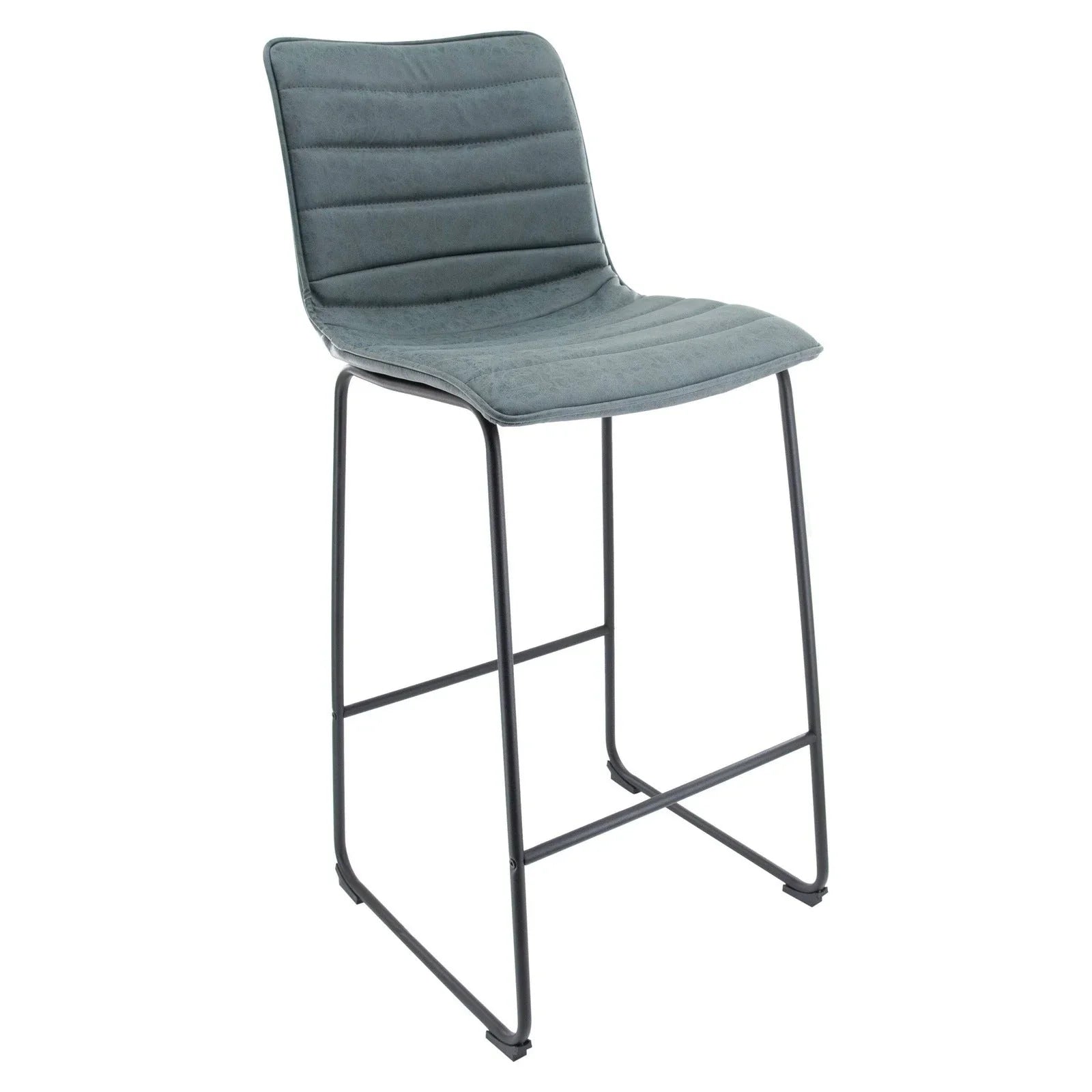
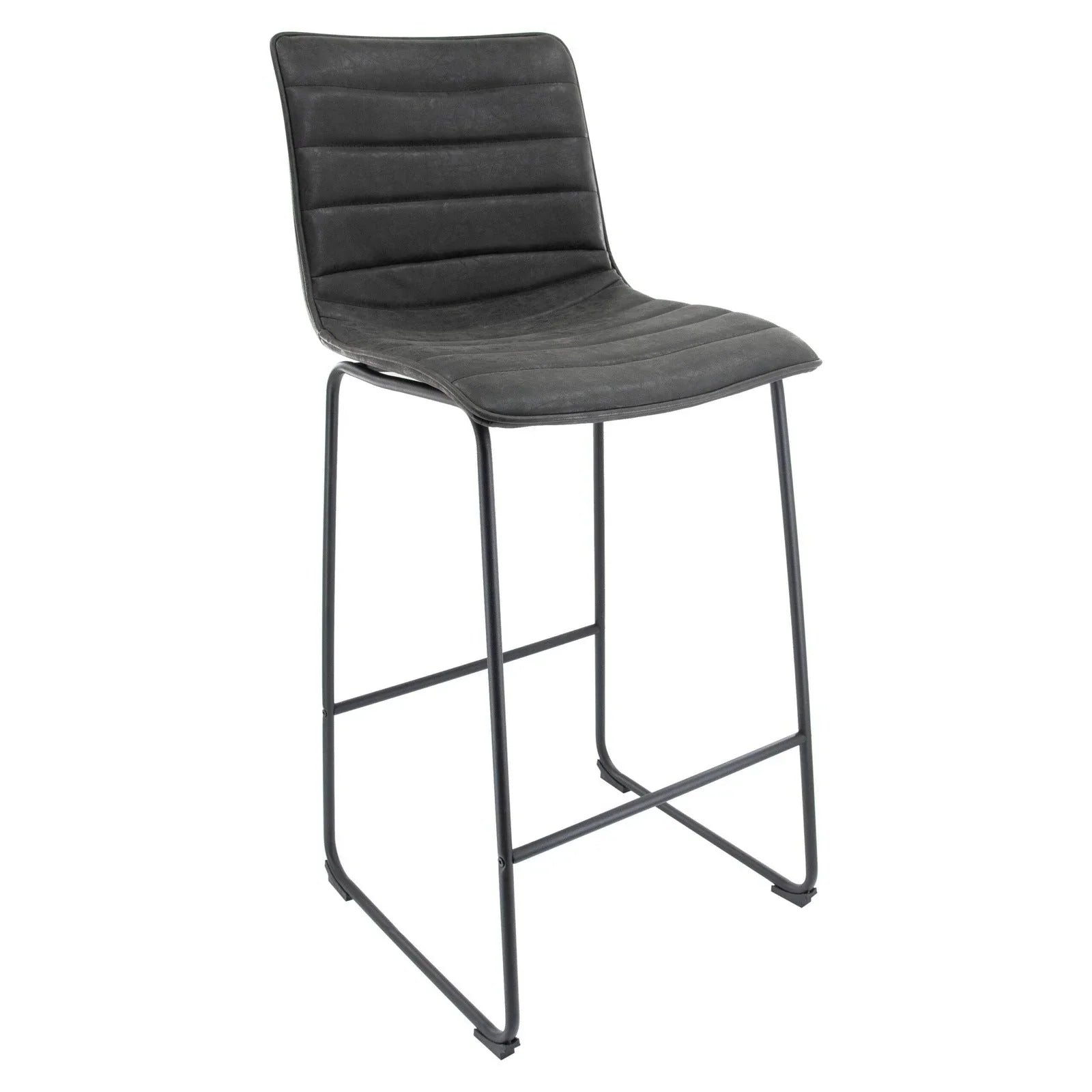


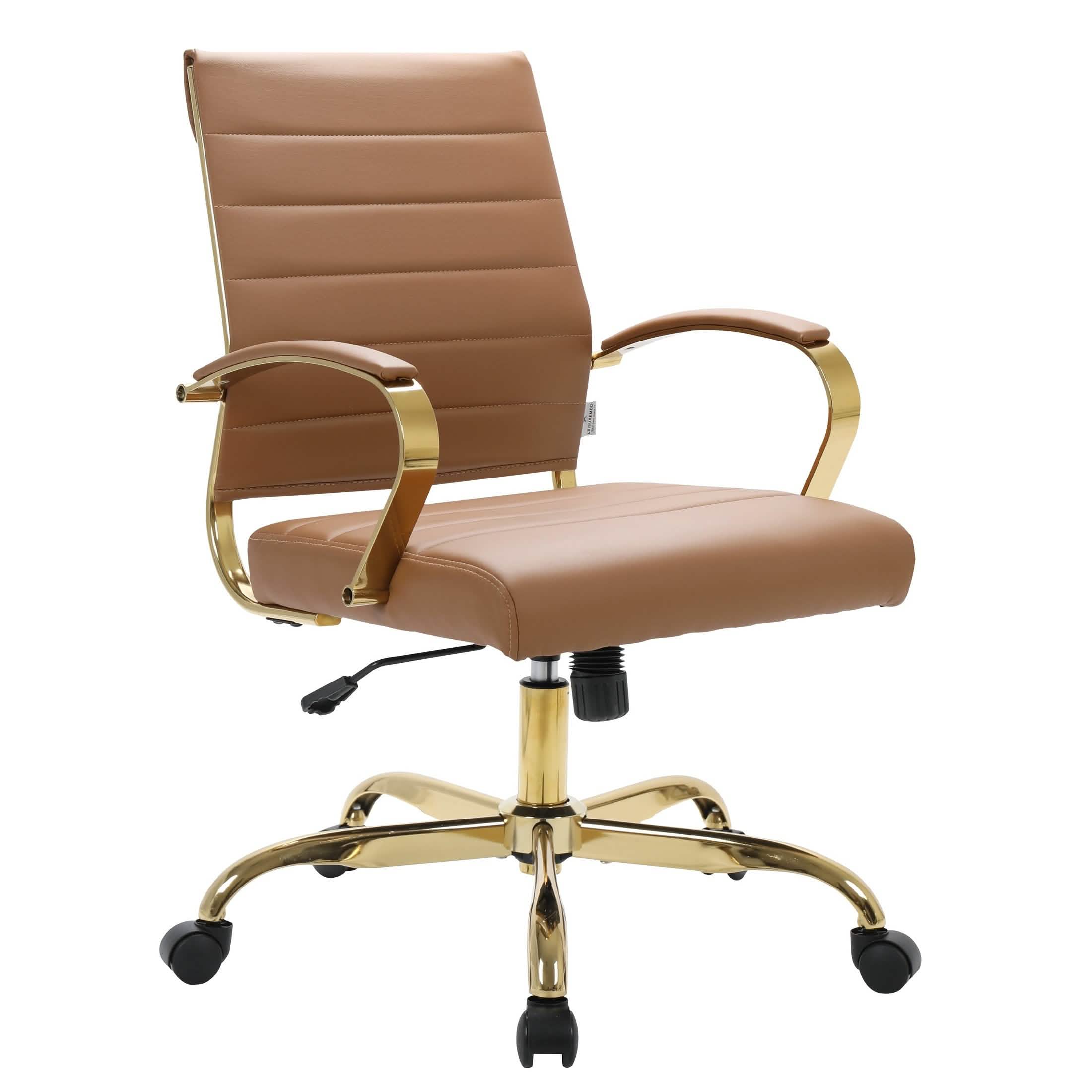

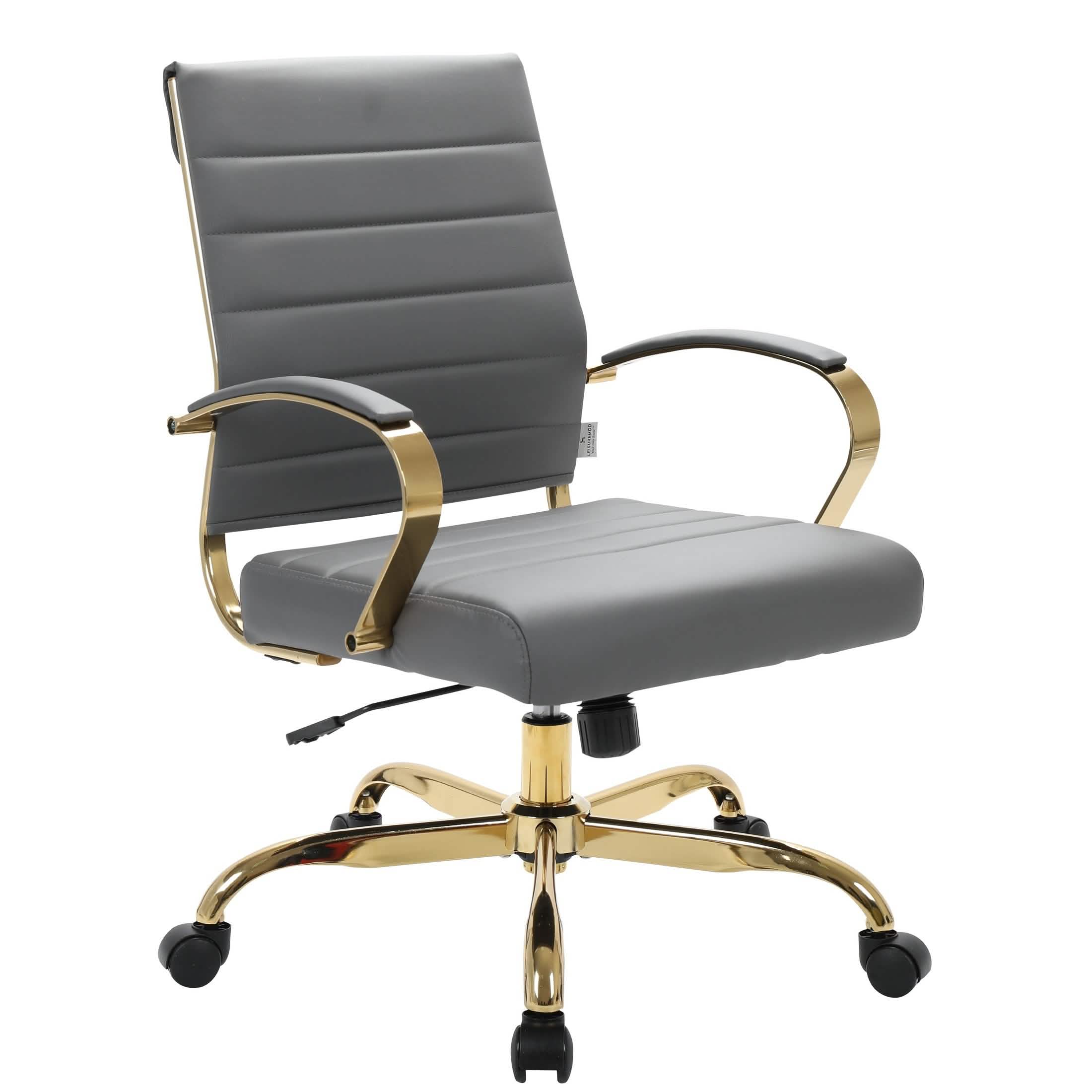

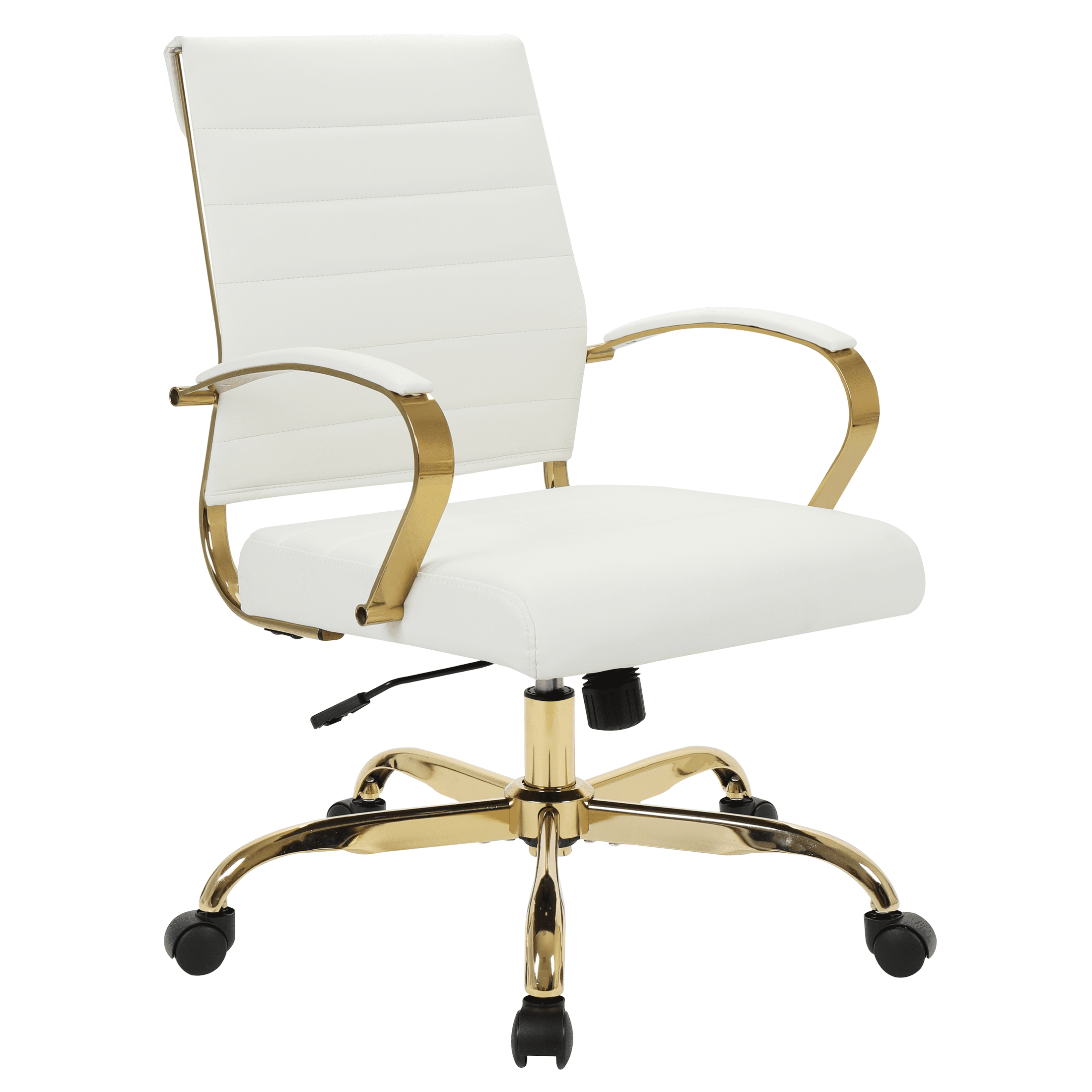



Choosing BIFMA-compliant furniture ensures that commercial and home office furnishings meet strict national benchmarks for structural strength, safety, ergonomic adjustability, and low chemical emissions. Developed by the Business and Institutional Furniture Manufacturers Association (BIFMA) and accredited by the American National Standards Institute (ANSI), these standards verify that products survive rigorous daily wear and tear in real-world professional environments.
What Is BIFMA Compliance and Why Does It Matter in the US?
In the United States, residential furniture is frequently engineered for casual, light-duty use. Placing standard residential desks and chairs into high-use hybrid setups or corporate environments often causes early mechanical failure, broken caster bases, stripped gears, and workplace injuries.
BIFMA acts as the standard-setting body for commercial-grade institutional furniture in North America. Unlike self-declared marketing terms such as "heavy-duty" or "commercial quality," BIFMA standards define verifiable laboratory testing methodologies. Certified test facilities subject furniture frames, tilt mechanisms, and electric actuators to extreme mechanical stress, cyclical fatigue, and tip-over forces before granting compliance.
For American facility managers, procurement specialists, and remote professionals, choosing compliant furniture protects employees from physical injury, guards organizations against liability risks, and guarantees an asset lifespan exceeding a decade of single-shift or multi-shift use.
5 Core Reasons to Choose BIFMA-Compliant Furniture
1. Rigorous Mechanical Testing and Long-Term Durability
BIFMA tests are designed around an anticipated baseline product lifespan of 10+ years of 8-hour daily use. Products undergo punishing evaluations:
-
Drop and Proof Load Tests: A standard task chair seat is subjected to dynamic impact tests (e.g., dropping 225-lb to 300-lb test bags repeatedly from designated heights) to ensure the frame will not crack under sudden impact.
-
Cyclical Fatigue Testing: Linear actuators and reclining backrests are cycled between 100,000 and 125,000+ times under applied load to replicate years of continuous movement without structural deformation or weld breakage.
-
Caster and Base Rolling Endurance: Chair bases are loaded with heavy test weights and rolled across abrasive surfaces and obstacle plates for tens of thousands of cycles to verify wheel axles and pneumatic cylinders.
2. Workplace Safety and Liability Mitigation
A collapsing chair or tipped storage credenza can lead to severe workers' compensation claims, Occupational Safety and Health Administration (OSHA) violations, and legal liability. BIFMA standards enforce:
-
Tip-Over Resistance: Comprehensive stability tests prevent desks, file cabinets, and chairs from tipping when off-center weight is applied to edges or extended drawers.
-
Pinch-Point and Shear Elimination: Verifying that motorized sit-stand desks and reclining office chairs contain zero dangerous shear or pinch points that could crush fingers or sever cables.
3. Science-Backed Ergonomic Alignment (ANSI/BIFMA G1)
Poor ergonomics costs US businesses billions annually in lost productivity and chronic musculoskeletal disorders (MSDs). Furniture certified under ANSI/BIFMA G1 complies with anthropometric guidelines covering the 5th to the 95th percentiles of the North American population. This requires:
-
Minimum 4-inch pneumatic height adjustability.
-
Adaptive lumbar support contours that fit diverse spinal curvatures.
-
Adjustable seat pans (depth and waterfall edges) that prevent pressure buildup behind the knees.
-
Multi-directional armrests that support natural forearm resting angles.
4. Healthier Indoor Air Quality and Chemical Safety
Modern furniture can off-gas volatile organic compounds (VOCs), formaldehyde, and hazardous flame retardants into sealed office air. BIFMA integrates strict environmental safety testing:
-
Low Chemical Emissions: Compliant items adhere to the ANSI/BIFMA M7.1 test method for measuring VOC emissions.
-
Indoor Air Certification: Many BIFMA-tested components automatically qualify for or pair with UL GREENGUARD Gold certifications, ensuring that air remains safe in modern energy-efficient, tightly insulated buildings.
5. Lower Total Cost of Ownership (TCO) and High Resale Value
A generic $150 office chair typically requires replacement every 18 to 24 months due to flat cushions, stripped cylinder gas-lifts, or broken armrests. A BIFMA-compliant chair costing $450 to $900 lasts 10 to 12 years and carries comprehensive multi-year commercial warranties backed by traceable supply chains. Over a 10-year span, compliant furniture reduces procurement, shipping, assembly, and disposal expenses by more than 50%.
BIFMA Compliant vs. Residential Furniture
| Feature / Standard | Standard Residential Furniture | BIFMA-Compliant Commercial Furniture |
| Testing Protocol | Manufacturer self-testing or basic ASTM | Rigorous ANSI/BIFMA multi-point laboratory stress tests |
| Intended Daily Use | 2–4 hours of casual home use | 8–24 hours of heavy, continuous multi-shift use |
| Drop & Load Rating | 200–250 lbs static weight | Minimum 300 lbs dynamic; up to 400+ lbs (BIFMA X5.41/X5.11) |
| Cycle Durability | Unspecified / rarely exceeds 15,000 cycles | 100,000 to 125,000+ mechanical cycles |
| Warranty Coverage | 90 days to 1 year limited warranty | 5-year to 12-year full commercial warranty |
| LEED / WELL Points | Not eligible | Earns credits via BIFMA LEVEL® certification |
| Typical Purchase Venue | Big-box retail and generic direct-to-consumer | Commercial contract dealers and certified ergonomics brands |
Essential ANSI/BIFMA Standards Cheat Sheet
-
ANSI/BIFMA X5.1 (General-Purpose Office Chairs): Covers 20 discrete tests for safety, mechanical strength, and backrest/tilt fatigue on standard swivel desk chairs.
-
ANSI/BIFMA X5.5 (Desk & Table Products): Tests mechanical stability, motor load capacity, dynamic cycle durability, and tip thresholds for executive desks and motorized sit-stand workstations.
-
ANSI/BIFMA X5.11 & X5.41 (Heavy-Duty & Large Occupant Seating): Specialized standards for healthcare, public infrastructure, and office environments testing load capacities up to 400+ lbs.
-
ANSI/BIFMA e3 (LEVEL® Certification): The premier sustainability standard for commercial furniture, evaluating chemical inputs, energy conservation, and end-of-life recyclability across Levels 1, 2, and 3.
BIFMA Compliant® vs. "BIFMA Tested": Avoid Marketing Traps
Understanding industry phrasing is critical when purchasing furniture:
-
"Meets BIFMA Standards" or "BIFMA Tested": These are unverified manufacturer claims. A brand may conduct internal in-house tests on an isolated component (like a gas cylinder) without subjecting the finished piece to independent testing.
-
BIFMA Compliant® (Registered Mark): The official mark developed by BIFMA. Products bearing this mark have undergone verified laboratory testing at an accredited ISO/IEC 17025 test facility and are officially listed in the public BIFMA Compliant Registry. Always request the test report or registry link during commercial procurement.
Frequently Asked Questions (FAQ)
What is the direct purpose of BIFMA compliance?
BIFMA compliance provides third-party verification that commercial and office furniture satisfies ANSI-approved safety, structural durability, ergonomic performance, and environmental standards.
Is BIFMA compliance required by law in the United States?
No, BIFMA compliance is not a mandatory federal law. However, it is an industry-wide commercial procurement requirement for US federal and state government contracts (GSA schedules), Fortune 500 corporate facilities, major healthcare systems, and higher-education institutions.
Can BIFMA-compliant office furniture help earn LEED or WELL building credits?
Yes. Furniture certified under the ANSI/BIFMA e3 LEVEL® program earns points toward US Green Building Council (USGBC) LEED certification and International WELL Building Institute (IWBI) standards by meeting strict thresholds for low VOC emissions, recycled material content, and circular manufacturing.
Does BIFMA compliance mean an office chair is automatically ergonomic?
Not necessarily. While basic structural standards (such as ANSI/BIFMA X5.1) ensure an office chair will not break or tip under load, specific ergonomic compliance requires adherence to ANSI/BIFMA G1, which specifies explicit adjustability ranges for lumbar depth, seat pan slides, and armrest heights.
How can US buyers confirm if a furniture brand is genuinely BIFMA compliant?
Buyers can verify compliance claims directly by searching the official BIFMA Compliant Registry online. If a manufacturer claims compliance but is not indexed in the registry, buyers should request formal test reports from an accredited third-party laboratory.
