


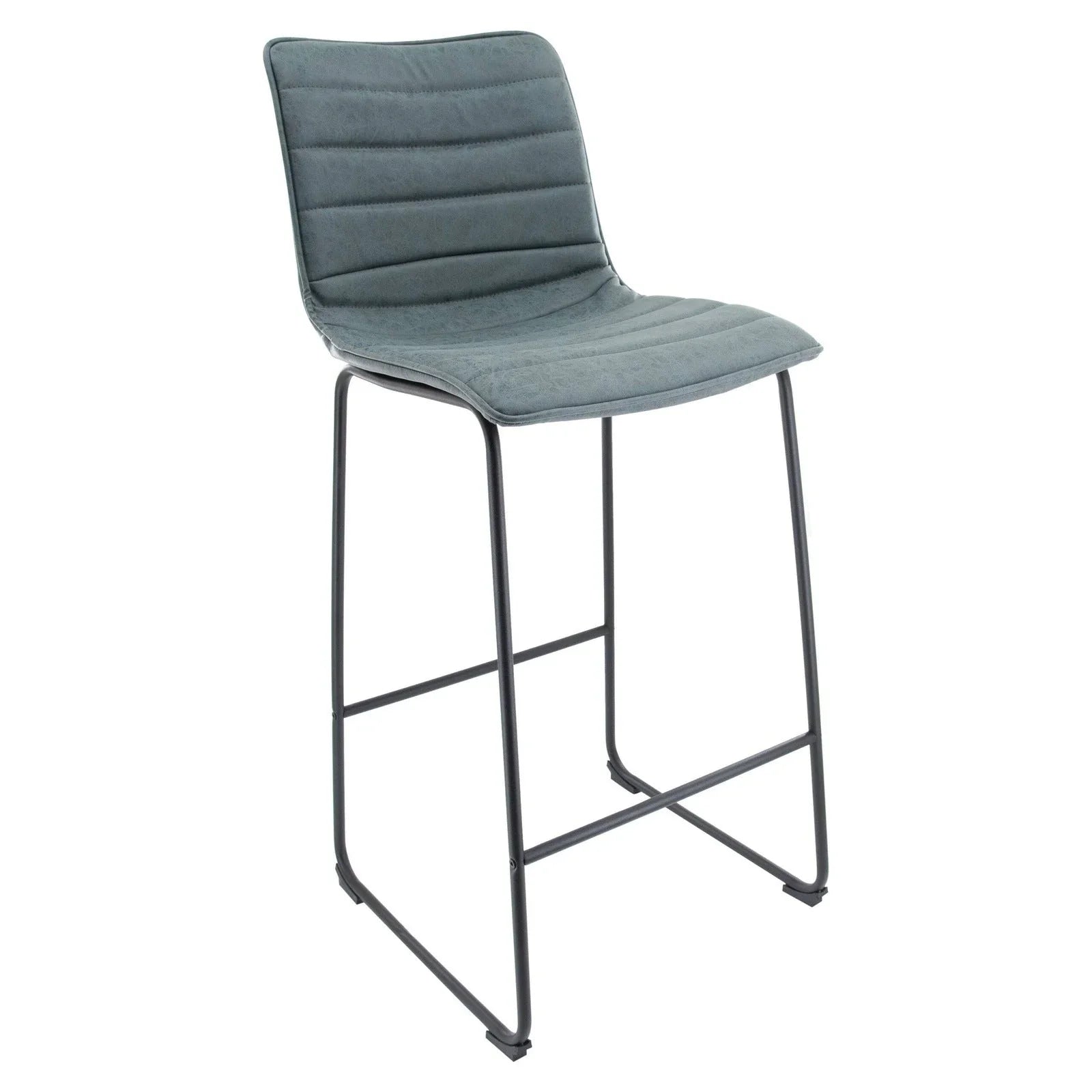
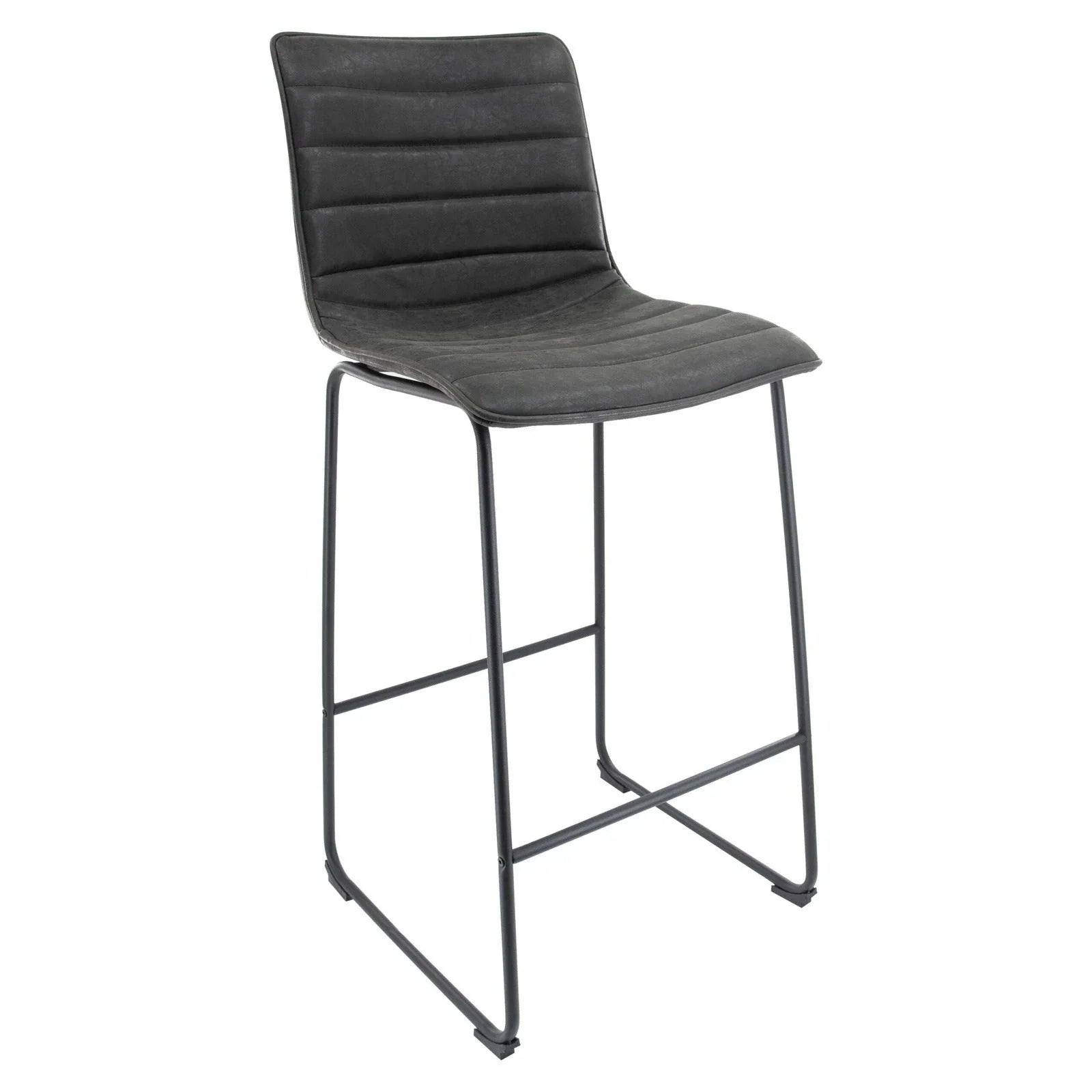
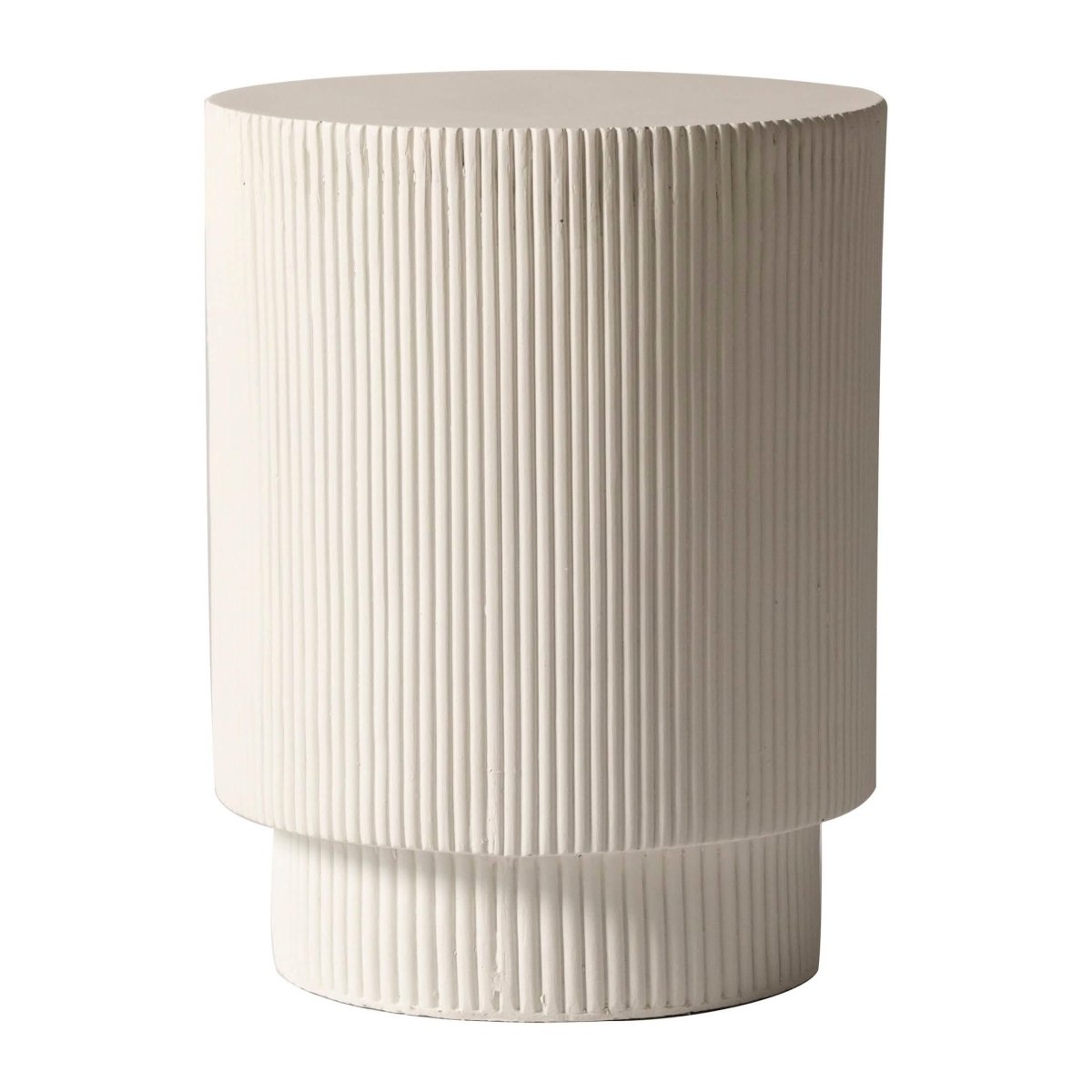
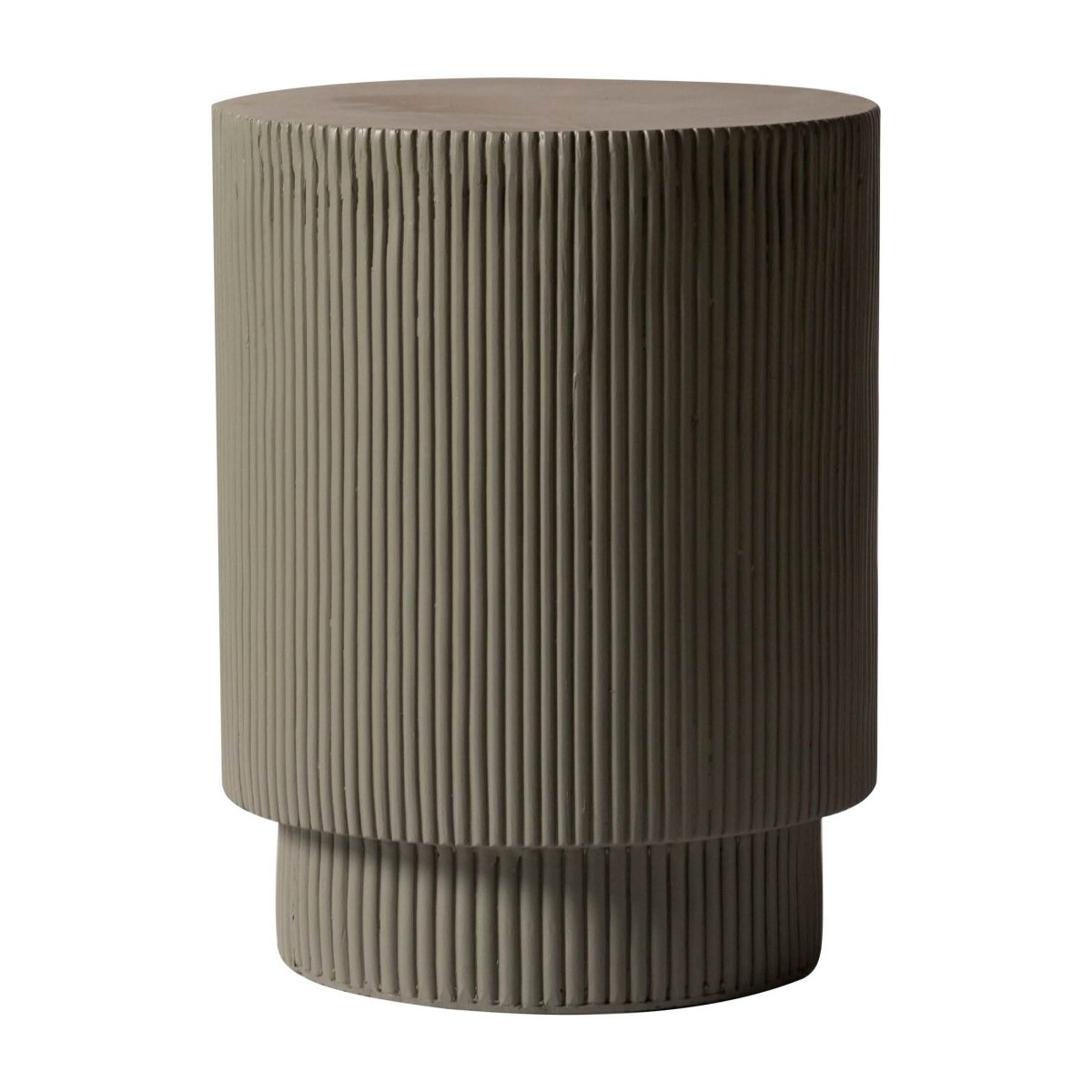




Buying furniture for a high-traffic home often feels like a gamble between short-term aesthetics and structural longevity. Active households with children, pets, and frequent entertaining put immense mechanical stress on upholstery, table surfaces, and joinery. When a piece fails within 12 to 24 months, the failure is almost always driven by inferior core substrates—such as low-density particle board or low-rub fabrics.
The most durable furniture relies on dense through-body materials that resist impact, prevent moisture delamination, and maintain structural integrity over decades of continuous use.
Below is the definitive, measurement-accurate guide to the best furniture materials for long-term use, complete with material durability metrics, core construction standards, cushion density benchmarks, and room-specific recommendations.
Quick Answer: The 4 Most Durable Furniture Materials (Featured Snippet)
The four best furniture materials for long-term durability in high-traffic homes are:
-
Kiln-Dried Dense Hardwoods (Oak, Maple, Walnut): Offers superior screw-holding strength, high Janka hardness ratings (1,000+ lbf), and the ability to be sanded and refinished multiple times.
-
Sintered Stone & Porcelain Slabs: Engineered with zero resin binders; completely heatproof (up to 2,000°F), knife-scratchproof (Mohs 7–8), and impervious to liquid staining.
-
Powder-Coated Structural Steel & Aluminum: Impervious to joint loosening, warping, or moisture rot; ideal for heavy dining bases, bed frames, and indoor-outdoor transitions.
-
High-Rub Performance Upholstery (Crypton, Heavy Polyester Blends): Woven to withstand 30,000 to 50,000+ double rubs on the Wyzenbeek scale with integrated liquid-barrier backings.
Furniture Material Longevity: The Master Comparison
The matrix below compares dominant furniture substrates across hardness, projected lifespan, maintenance needs, and failure points:
| Material Type | Durability / Hardness Rating | Expected Lifespan | Water / Spill Resistance | Primary Structural Vulnerability | Best Application |
| Kiln-Dried Hardwood | Janka: 1,200 – 1,450 lbf (Oak/Maple) | 25 – 50+ Years | Moderate (requires topical finish/oil) | Seasonal expansion if exposed to high moisture | Dining tables, dressers, credenzas |
| Plywood with Hardwood Veneer | Multi-ply structural cross-grain | 15 – 30 Years | Moderate to High (edges must be sealed) | Edge-banding peeling if exposed to standing water | Architectural consoles, media credenzas |
| MDF / Particle Board | Low (compressed sawdust/glues) | 2 – 5 Years | Extremely Poor (swells irreversibly) | Screw tear-out, sagging shelves, water swelling | Low-use guest rooms, temporary decor |
| Sintered Stone / Compact Ceramic | Mohs Hardness: 7 – 8 | Lifetime (50+ Years) | 100% Non-Porous (<0.05% absorption) | Brittle along un-eased mitered edges | Dining tabletops, coffee tables |
| Powder-Coated Steel | Structural tensile strength | 30+ Years | High (impermeable to moisture) | Deep scratches can expose bare metal to rust | Chair legs, table bases, bed frames |
| Top-Grain Leather | High tensile surface grain | 15 – 25 Years | High (wipes clean instantly) | Requires periodic conditioning to stop drying | High-traffic living room sofas, lounge chairs |
| Performance Fabric (Crypton/Poly) | 30,000 – 100,000+ Double Rubs | 10 – 15 Years | High (repels liquids, stain-resistant) | Loose loop weaves can snag on pet claws | Family sectionals, dining seat cushions |
In-Store Durability Inspection: Green Flags vs. Red Flags
When shopping in a showroom or reviewing furniture specifications online, use this rapid assessment checklist to identify genuine structural quality:
-
🟢 Green Flags (Built to Last):
-
Kiln-dried hardwood frames (White Oak, Ash, Beech, Hard Maple).
-
Corner-blocked, dowelled, or mortise-and-tenon frame joinery.
-
Seat cushion foam density rated at 2.0 lb/cu. ft. or higher (High-Resiliency).
-
Upholstery fabrics tested to 30,000+ Wyzenbeek double rubs.
-
English or French dovetail drawer boxes with soft-close under-mount steel glides.
-
Solid slab or through-body stone surfaces (sintered stone, quartzite).
-
-
🔴 Red Flags (High Failure Risk):
-
Frame corners assembled solely with staples, glue, and lightweight nails.
-
Cushion cores using low-density polyfoam (under 1.8 lb/cu. ft.).
-
Raw, exposed particle board or low-density fiberboard along bottom dust covers or back panels.
-
"Bonded," "split," or "blended" polyurethane (PU) faux leather.
-
Hollow metal legs fastened straight into particle board without steel mounting plates.
-
Cushion Chemistry: Why Sofas Sag (And How to Prevent It)
While fabric handles external friction, the interior cushion core determines how long a sofa maintains ergonomic support. Over 80% of consumer seating complaints involve premature core collapse.
1. Standard Polyurethane Foam (<1.8 lb/cu. ft.)
Found in most entry-level retail seating. The cellular walls within the foam are thin and fragile, breaking down under repeated body weight within 6 to 18 months. Once compressed, the cells fail to recover, resulting in hollow, sagging seat impressions.
2. High-Resiliency (HR) Foam (2.0 to 2.5 lb/cu. ft.)
The industry benchmark for commercial seating and long-term residential use. HR foam features an open-cell, non-uniform matrix that responds dynamically to pressure, providing immediate bounce-back. A 2.2 lb/cu. ft. HR foam cushion easily retains 90%+ of its initial loft after a decade of continuous family use.
3. Pocket-Coil Hybrid Cushions
Similar to premium mattress manufacturing, these cushions encase tempered steel pocket coils between high-density foam toppers. The springs absorb kinetic energy while the foam prevents surface pressure points, making this the best construction for heavy use and larger pets.
The Cost-Per-Year Equation: Fast Furniture vs. Generational Pieces
The initial price tag rarely reflects the true financial investment of furnishing a high-traffic home. Frequent replacement of budget items rapidly overtakes the one-time cost of commercial-grade construction:
| Furniture Category | Initial Upfront Cost | Average Expected Lifespan | 15-Year Replacement Expense | Real Cost Per Year |
| Fast Furniture (MDF / Low Foam / 15k Rub Fabric) | $700 – $900 | 2 – 3 Years | $3,500 – $4,500 (5 cycles) | ~$233 – $300 / year |
| Generational Grade (Hardwood / HR Foam / 50k Rub Fabric) | $2,000 – $2,500 | 15+ Years | $2,000 – $2,500 (1 purchase) | ~$133 – $166 / year |
Beyond pure financial savings, durable pieces eliminate assembly downtime, recurring disposal logistics, and the frustration of wobbling frames.
Structural Substrates: Solid Hardwood vs. Plywood vs. MDF
Wood remains the backbone of residential tables, desks, and interior framing. However, the internal stability of each category varies dramatically:
1. Kiln-Dried Hardwoods (The Gold Standard)
Dense domestic hardwoods such as White Oak, Hard Rock Maple, Ash, and American Walnut are the standard for generational furniture.
-
The Kiln-Drying Factor: Kiln drying stabilizes interior moisture levels to between 6% and 8%, preventing internal cell stress, bowing, and joint splitting inside climate-controlled homes.
-
Fastener Security: Dense grain structures provide continuous mechanical grip, ensuring screws and brackets do not back out or strip under stress.
2. Multi-Ply Core Plywood with Architectural Veneer
High-grade furniture plywood (such as multi-ply Baltic Birch) utilizes cross-laminated layers of hardwood bound under intense hydraulic pressure. Because wood expands laterally across its grain rather than longitudinally, cross-lamination balances internal tension. It provides exceptional stability for wide spans, such as sliding media doors and long credenza tops.
3. Particle Board & Low-Grade MDF (High Failure Rate)
Particle board relies on compressed sawdust chips bonded by synthetic resins. It lacks natural grain structure, meaning:
-
Fasteners strip out when lateral force is applied (e.g., sliding a loaded table across a rug).
-
Ambient humidity and standing spills infiltrate unsealed edges, triggering irreversible thickness swelling.
Surface Tops: Why Sintered Stone Beats Natural Stone and Resin
For dining and coffee tables subjected to hot cookware, acidic foods, and constant wiping, tabletop material selection dictates real-world longevity:
-
Sintered Stone: Manufactured from natural minerals subjected to 20,000+ tons of pressure and fired above 2,200°F. Contains zero petroleum resin binders, making it impervious to direct heat (up to 2,000°F), UV degradation, and kitchen knife abrasions.
-
Natural Marble: Composed largely of calcium carbonate; acidic spills (lemon juice, tomato sauce, red wine) react chemically with the stone, etching the surface within minutes and necessitating sealant reapplications every 6 months.
-
Engineered Quartz: Practical for indoor counters, but its 7% to 10% polyester resin binders can discolor and scorch under cookware above 150°F, while prolonged direct sunlight near windows can cause resin yellowing.
Upholstery Longevity: Rub Counts, Leather Grades & PFAS-Free Protection
A sofa frame may hold up for 20 years, but poor upholstery selection will force an expensive recovery within two to three years.
Understanding the Double Rub Rating
Abrasion resistance in North America is measured via the Wyzenbeek Method (double rubs):
-
Light Residential: 9,000 to 15,000 double rubs (shows fabric thinness within a year).
-
Heavy-Duty Residential: 30,000 double rubs.
-
Commercial Grade: 50,000 to 100,000+ double rubs. For active homes with pets, never specify an upholstery fabric below 30,000 double rubs.
PFAS-Free Modern Performance Textiles
Older stain-resistant fabrics relied heavily on fluorochemical coatings (PFAS/PFOA) that gradually wore away after several steam cleanings. Modern high-performance upholstery utilizes inherent fiber engineering (such as solution-dyed acrylics and C0-certified water repellency). Because the liquid barrier is embedded into the yarn core, spills bead on the surface without leaching toxic chemicals into the home environment.
Top-Grain Leather vs. Bonded / PU Leather
-
Top-Grain / Full-Grain Leather: Sourced from the dense, uncut outer layer of the hide. It naturally resists punctures, wipes clean, and breathes, developing a rich patina over decades without surface breakdown.
-
Bonded Leather: Pulverized leather scraps glued to a polyurethane film backing. Dynamic flexing causes the plastic surface to crack, blister, and peel within 2 to 4 years. It cannot be repaired.
Frame Joinery: What Keeps Furniture from Wobbling
Material quality means little if the underlying joint engineering cannot absorb kinetic movement:
-
Mortise-and-Tenon: A carved peg inserted into an interlocking cavity; distributes dynamic load evenly across large surface areas.
-
Corner Blocking: Triangular wooden reinforcement blocks screwed and glued into right-angle corners behind sofa rails and table aprons to absorb racking stress.
-
Dovetail Joinery: Interlocking trapezoidal pins that resist outward pull forces across heavily loaded drawer boxes.
Room-by-Room Material Recommendations
-
Living Room Sectional: Kiln-dried hardwood frame, corner-blocked joints, minimum 2.0 lb HR foam cushions, upholstered in 30,000+ double-rub performance fabric or top-grain leather.
-
Dining Table: Sintered stone or solid white oak top resting on a welded, powder-coated steel or solid timber base.
-
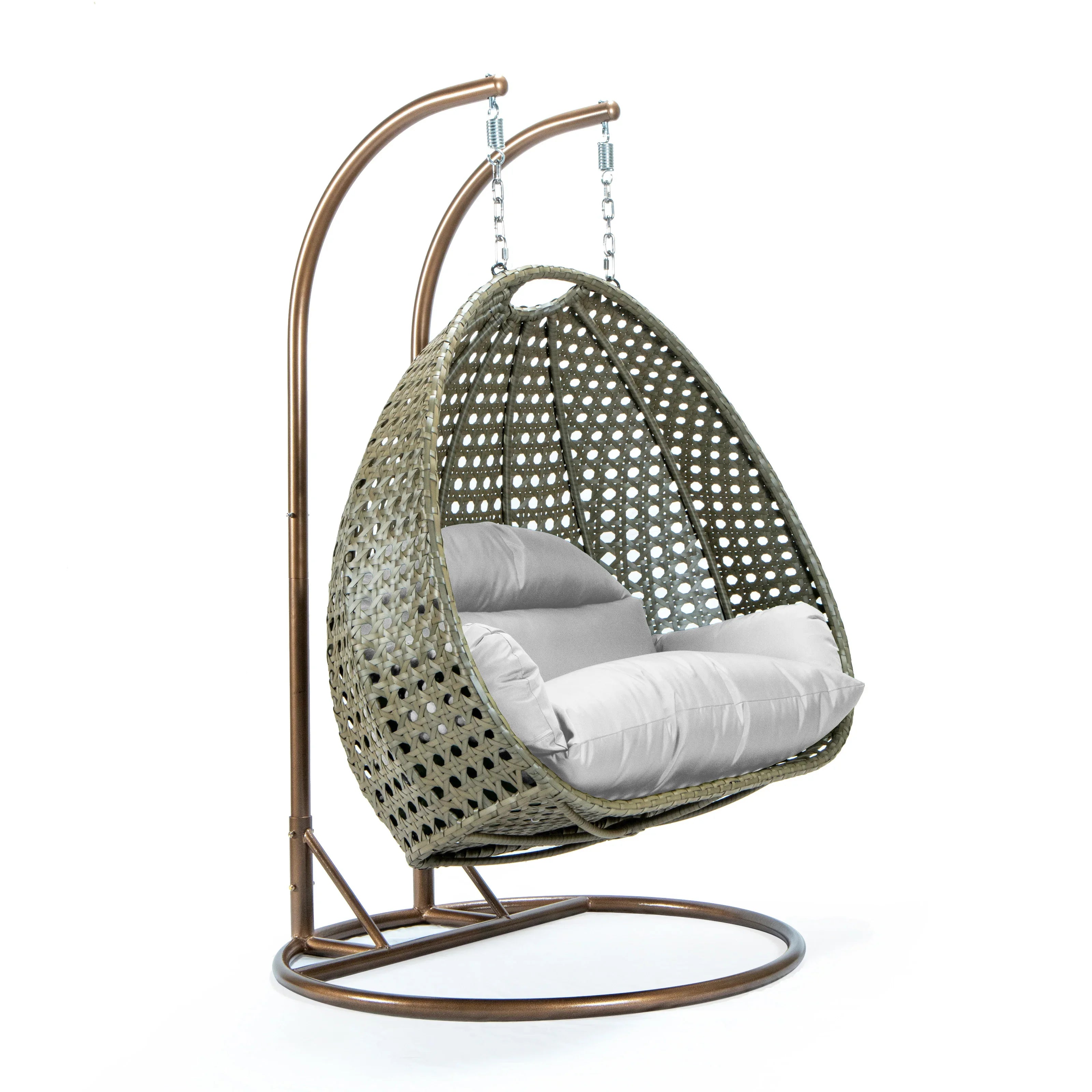
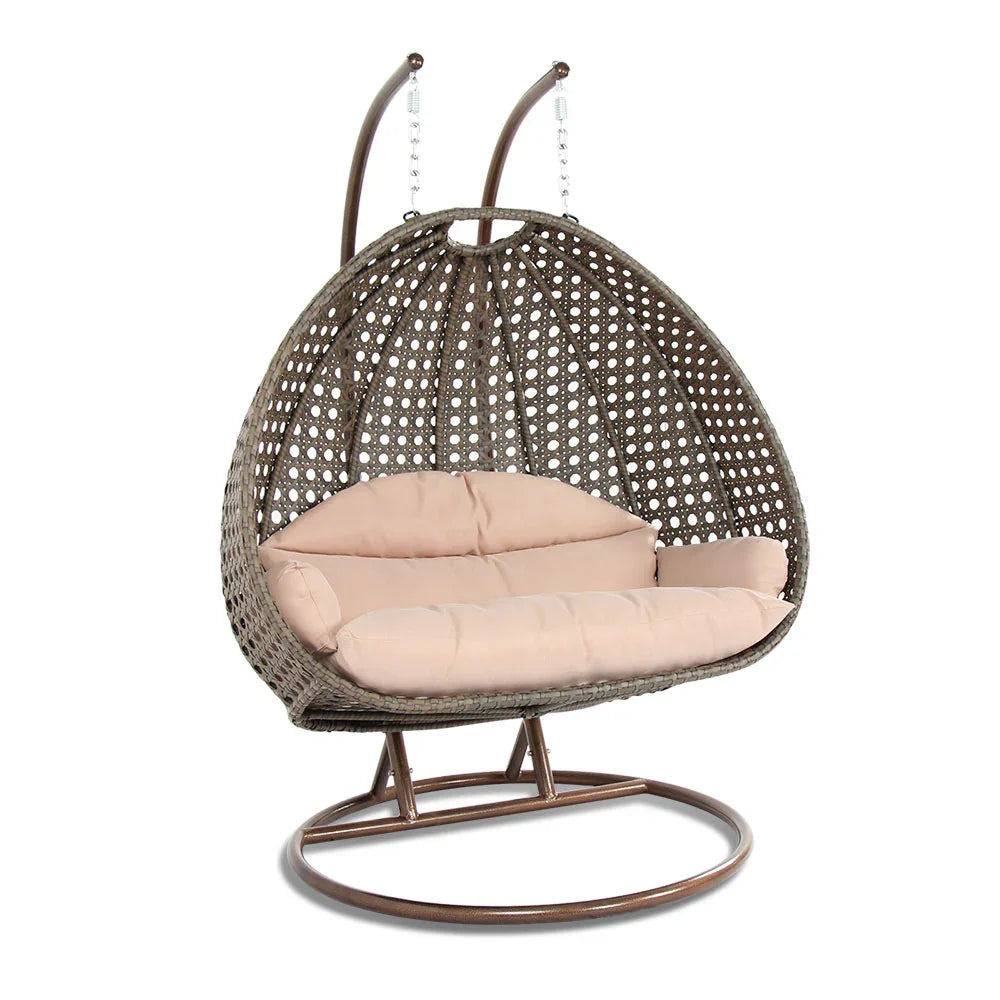
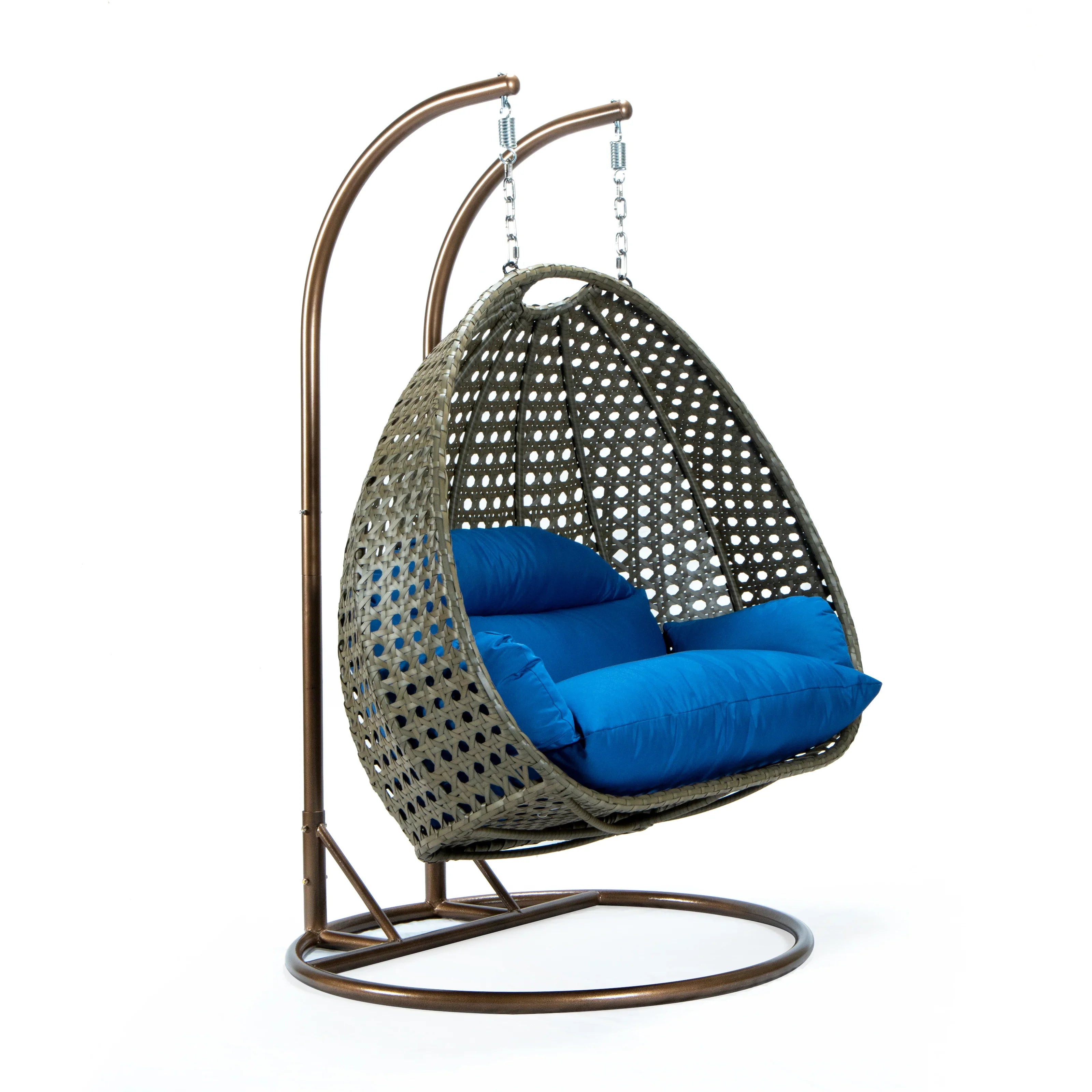
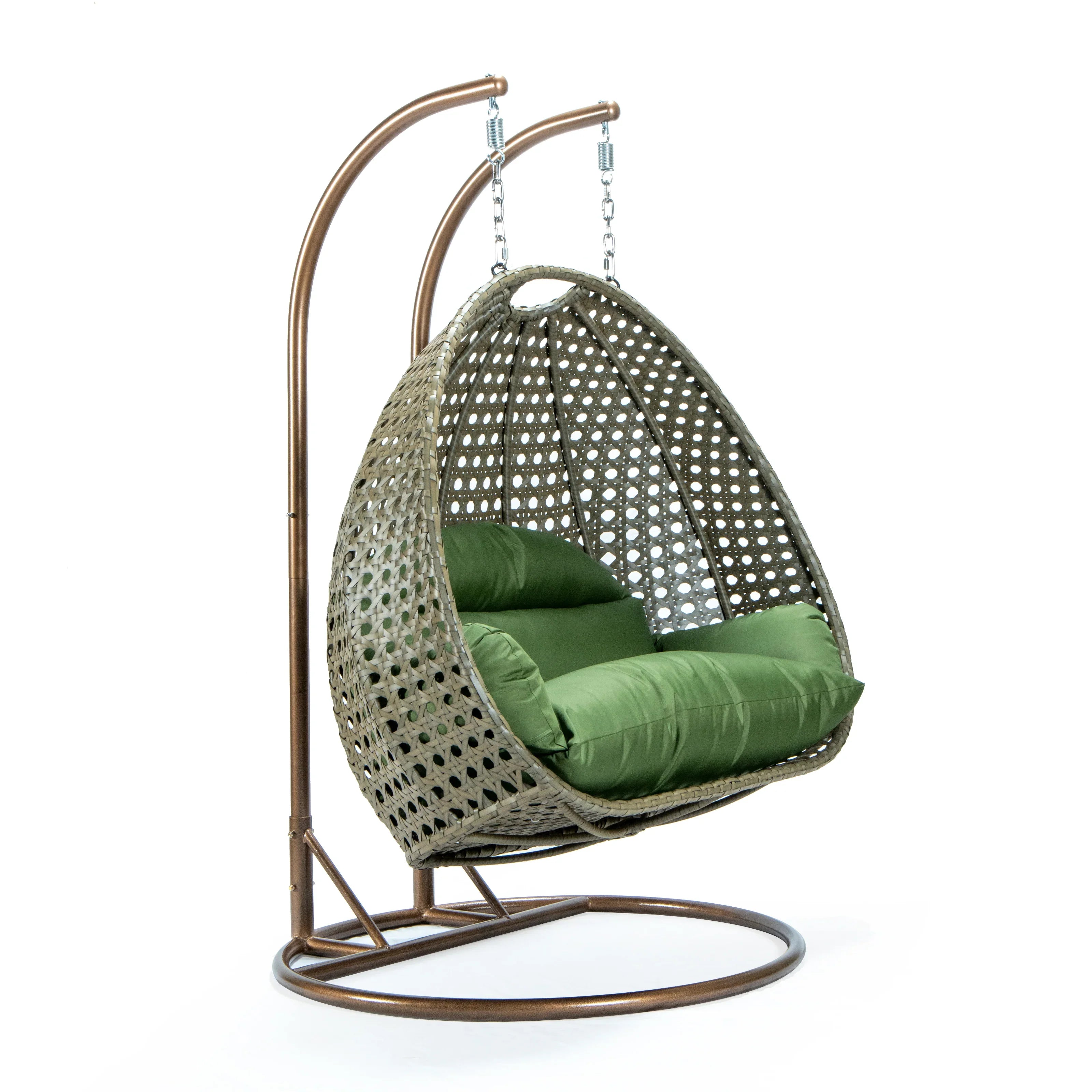
Dining Chairs: Welded metal or solid timber legs; avoid thin, loose wicker or delicate linen pads in homes with young children.
-
Home Office Desk: Scratch-resistant high-pressure laminate or solid hardwood top supported by structural steel frame rails to prevent sag under heavy multi-monitor configurations.
Frequently Asked Questions (FAQ)
1. Which wood furniture holds up best in high-humidity US coastal climates?
Dense, kiln-dried hardwoods such as White Oak, Teak, and Hard Maple perform best in humid coastal zones like Florida, the Gulf Coast, and the Pacific Northwest. Their tight cellular structure resists ambient moisture absorption, preventing the rapid swelling, twisting, and joint delamination common in softwoods and particle boards.
2. Can sintered stone furniture withstand Midwest and Northeast freeze-thaw cycles?
Yes. Sintered stone features a water absorption rate under 0.05%, preventing winter moisture from infiltrating the slab, freezing, and triggering structural fractures. It functions reliably in exterior kitchens, open-air patios, and four-season sunrooms across regions with severe sub-zero winters.
3. What sofa fabric survives arid, high-UV environments in the American Southwest?
Solution-dyed acrylics, high-denier polyester weaves (rated at 30,000+ Wyzenbeek double rubs), and UV-stabilized top-grain leathers handle direct sun exposure best in desert regions like Arizona, Nevada, and Southern California. Because pigments are locked into the yarn core before extrusion, they resist the fading and fiber brittleness caused by intense UV exposure.
4. What are the best indoor furniture materials for pet-heavy households in US apartments?
Tightly woven synthetic performance fabrics (such as Crypton or heavy microfiber), top-grain leather, and powder-coated steel bases perform best for indoor pets. These materials lack loose loop weaves that catch claws, do not trap pet dander inside the cushions, and allow pet hair and mud to be wiped off without specialty cleaners.
5. Why do US commercial offices specify mortise-and-tenon and corner-blocked frames?
Commercial facilities specify mortise-and-tenon joinery and glued-and-screwed corner blocks because they distribute lateral weight and dynamic racking forces across the entire joint perimeter. Unlike basic stapled or butt-joint assemblies, corner-blocked frames prevent wobbling and structural joint separation under daily commercial foot traffic and heavy multi-user loads.
