









1. The Core Difference: Rattan vs. Wicker (The Quick Verdict)
The Essential Takeaway:
Rattan is a specific, natural plant material (a solid, fibrous climbing palm native to tropical regions).
Wicker is an ancient weaving technique, not a raw material.
A piece of furniture can be made of rattan woven in a wicker style, but wicker furniture can also be crafted from bamboo, willow, reed, paper fibre, or synthetic high-density polyethylene (HDPE) resin.
-
Natural Rattan Furniture: Solid, steam-bent structural poles and woven core strands derived from real tropical climbing vines. (Strictly Indoor / Sunroom)
-
Traditional Natural Wicker: Delicate plant fibers (cane, willow, reed, or rush) woven across timber frames. (Strictly Indoor)
-
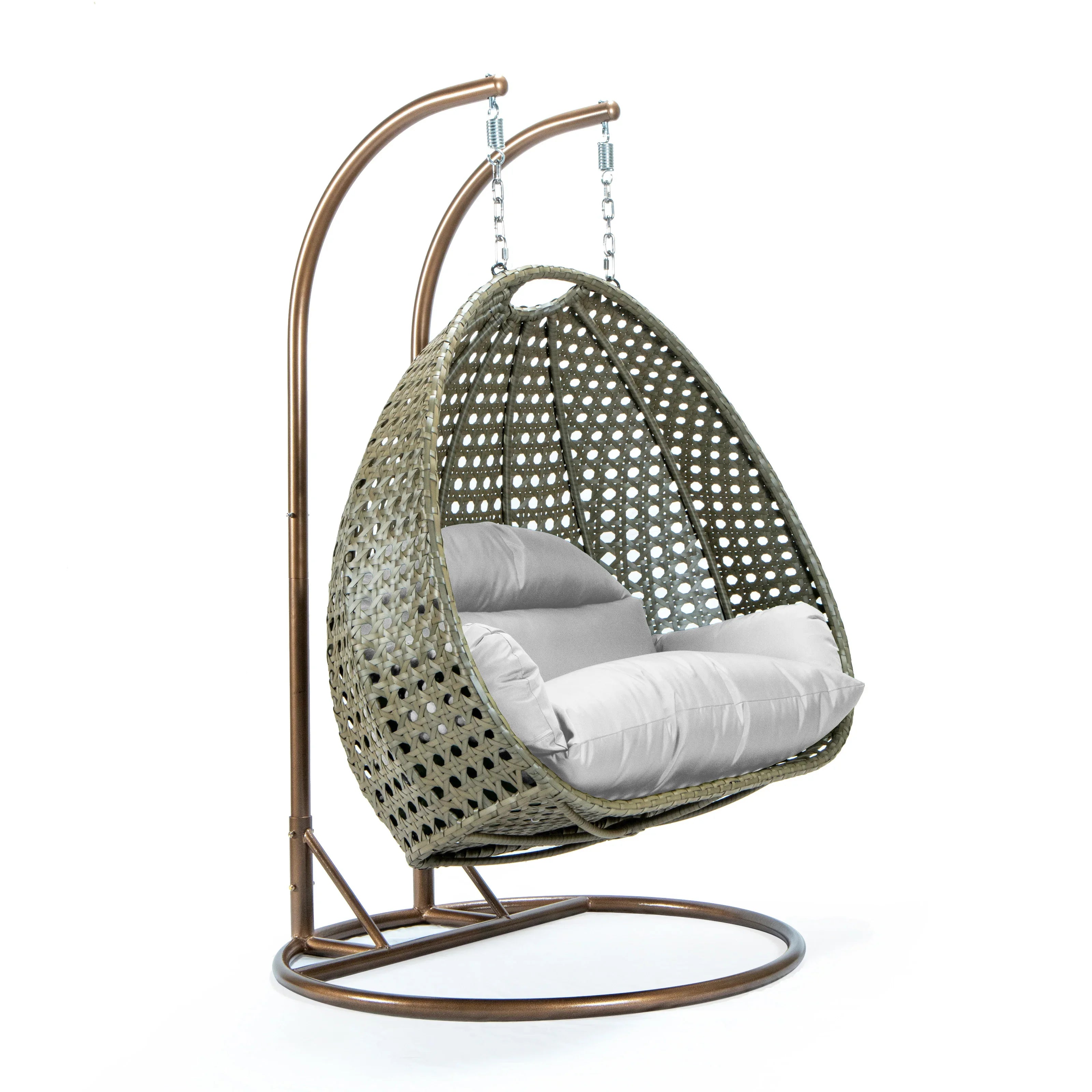
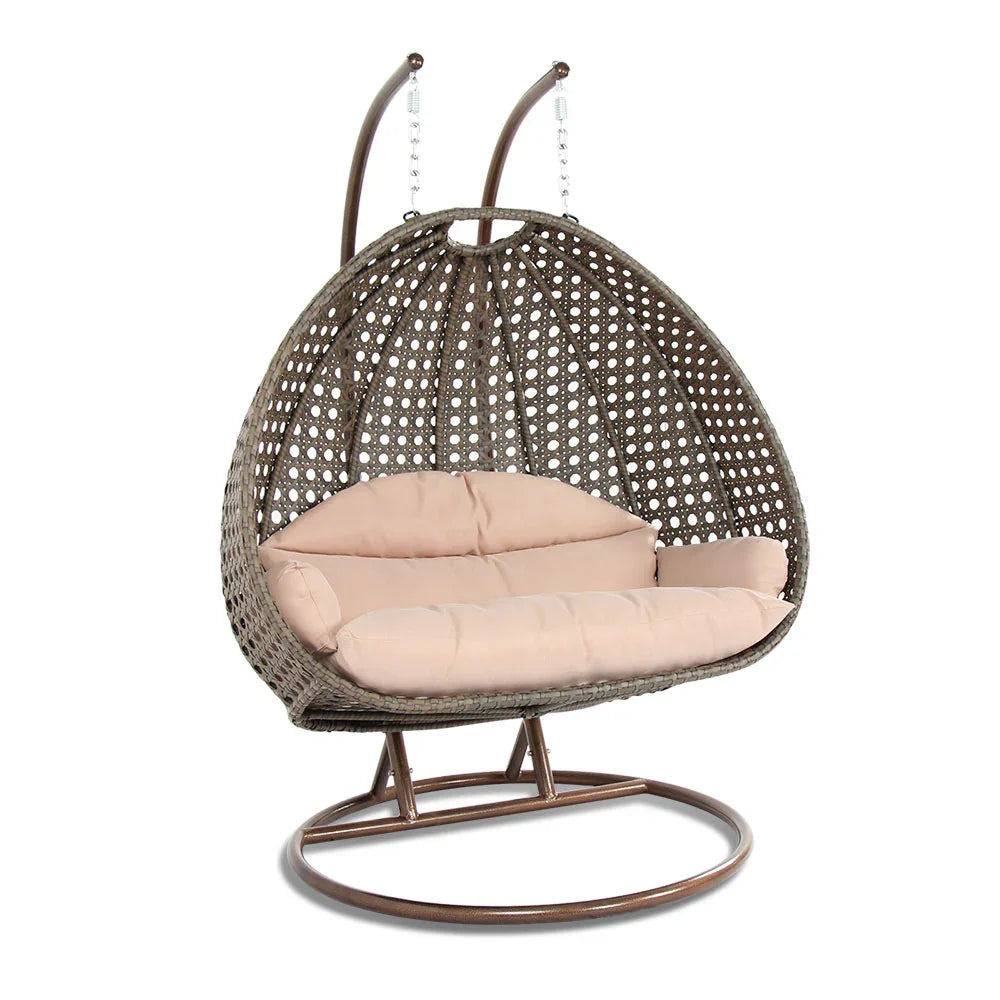
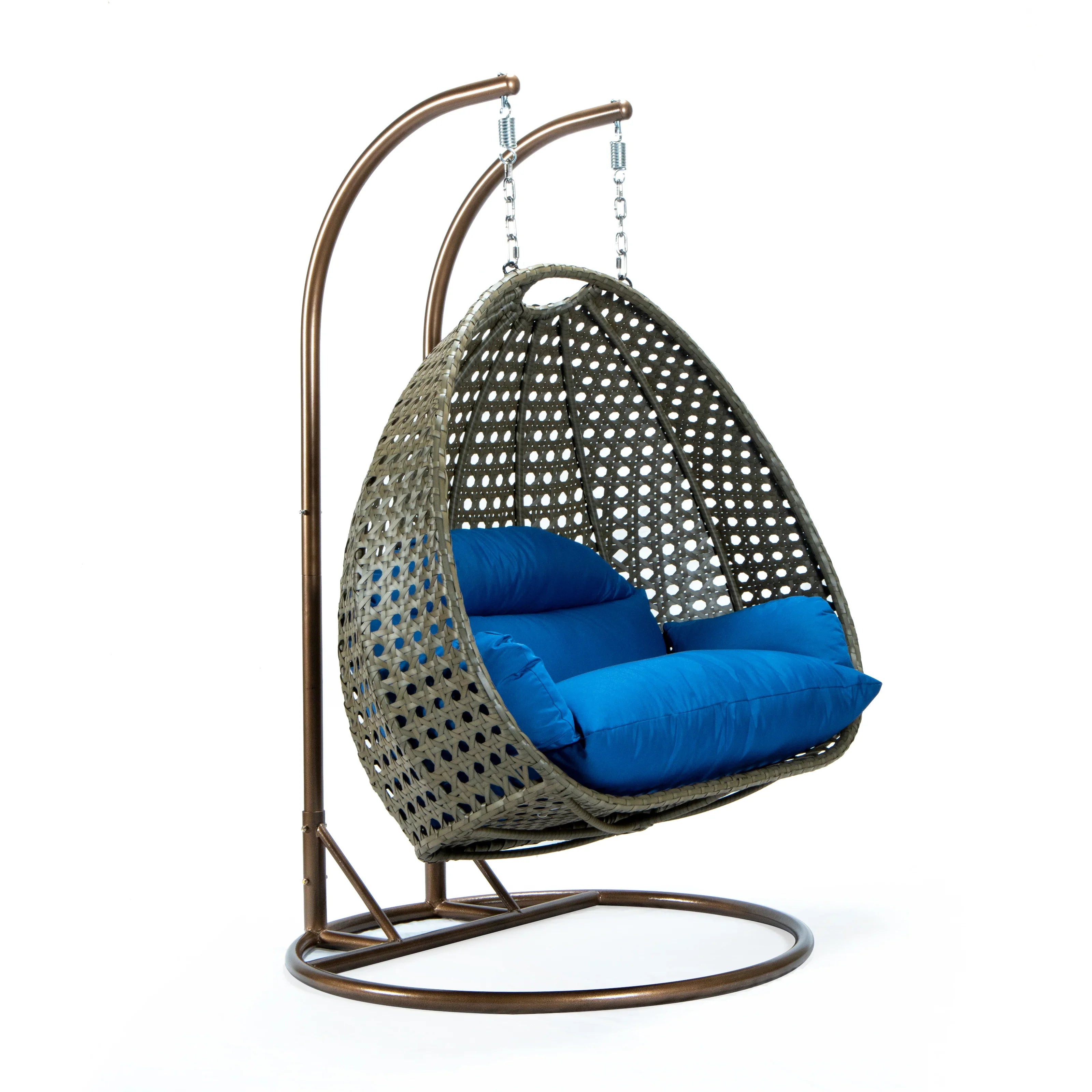
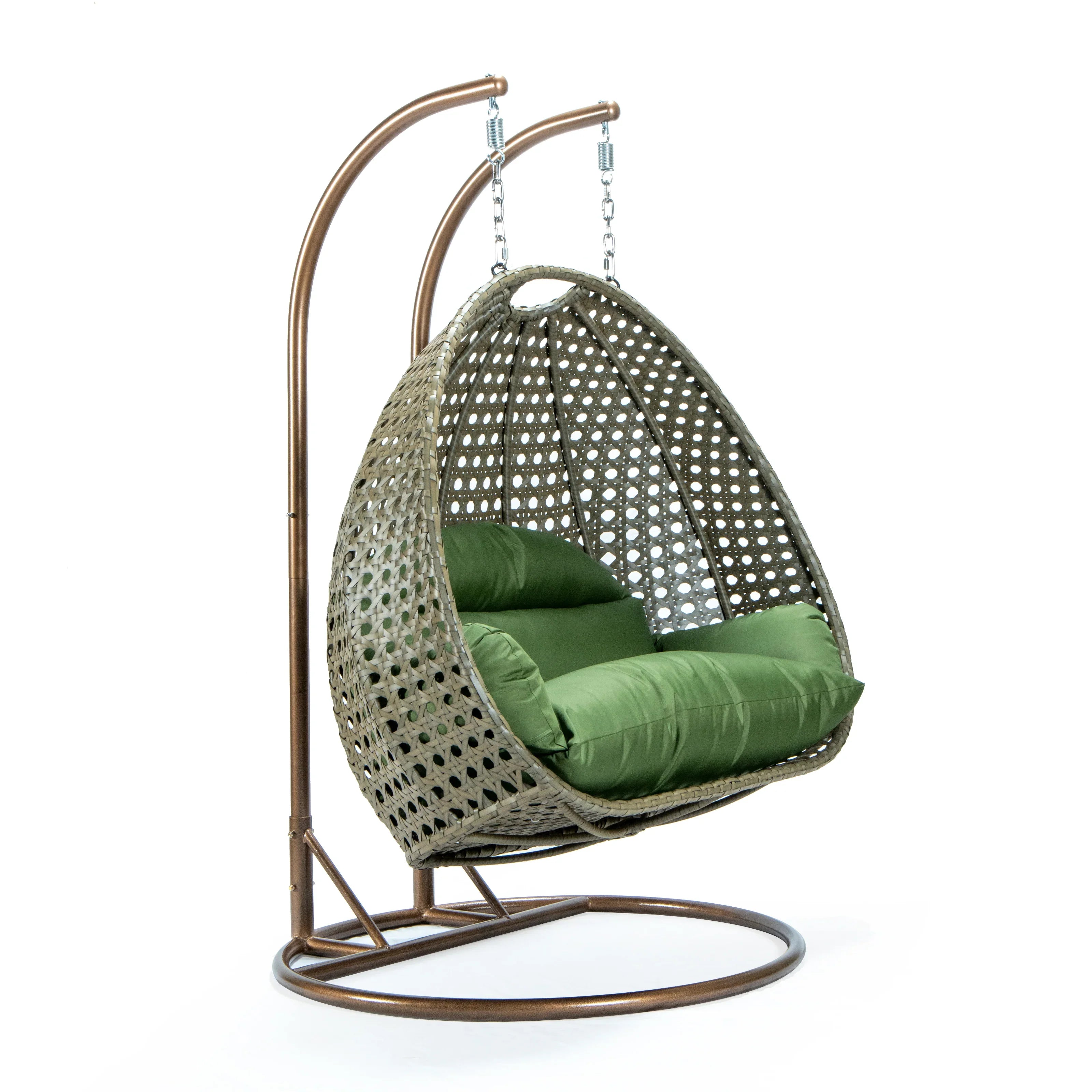
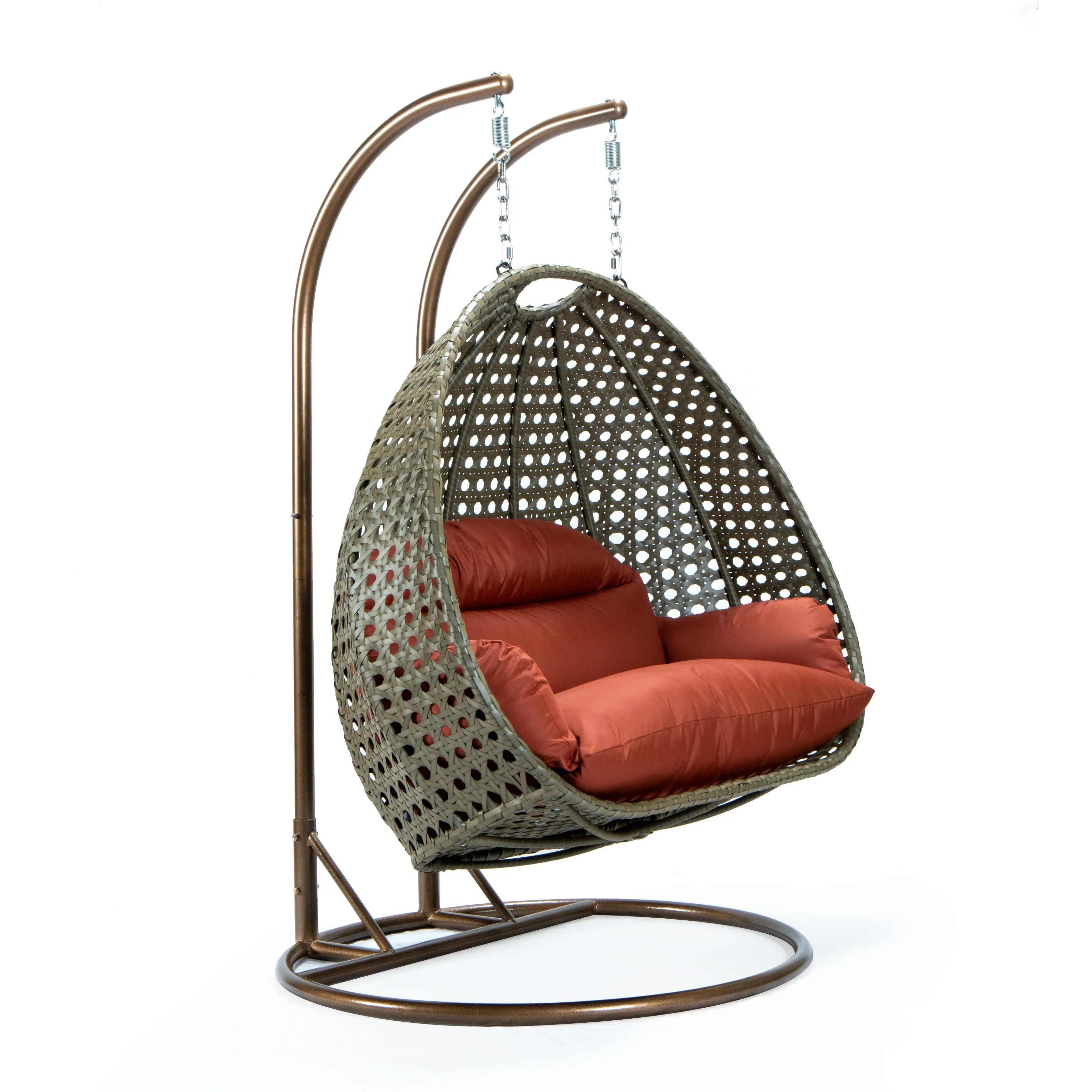
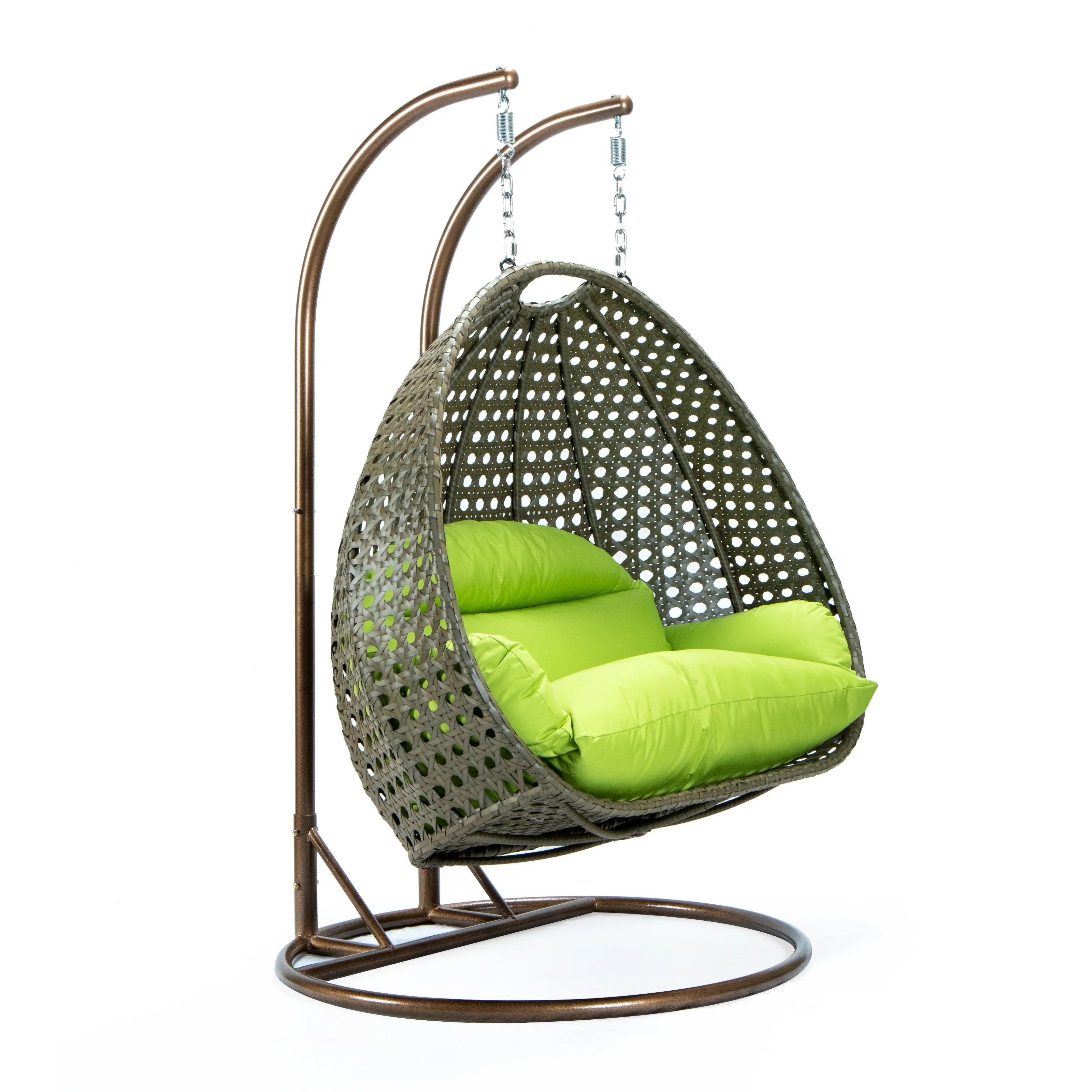
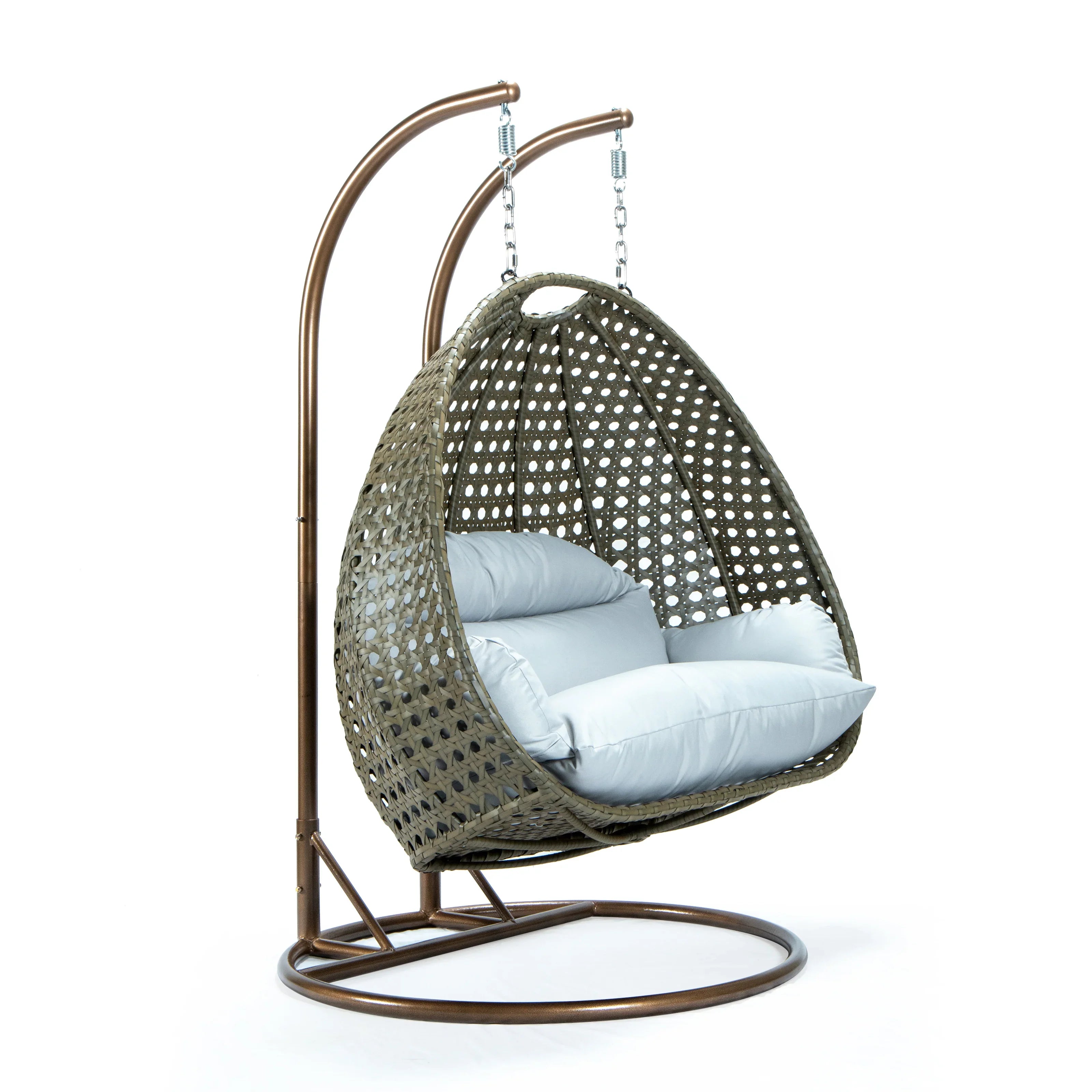
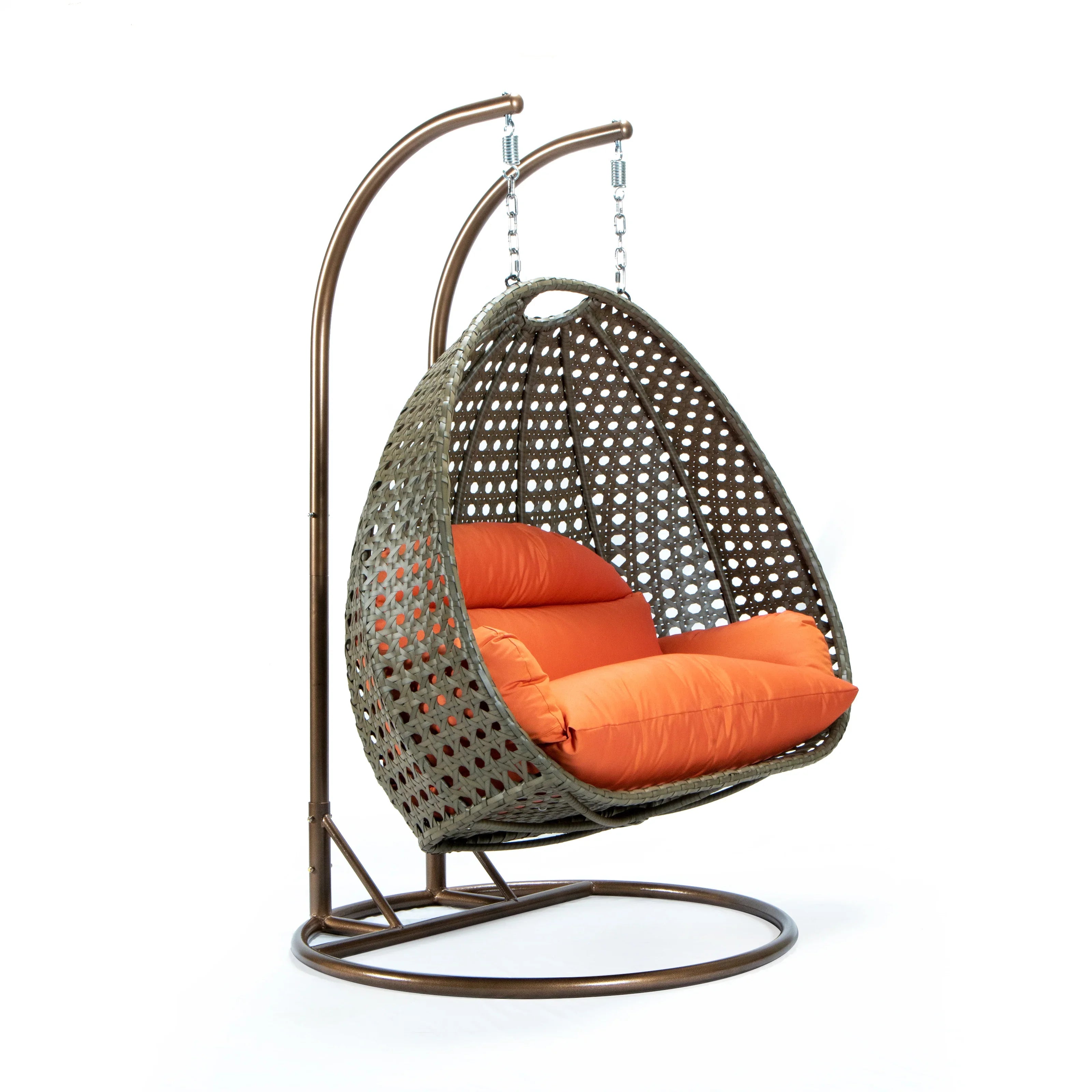
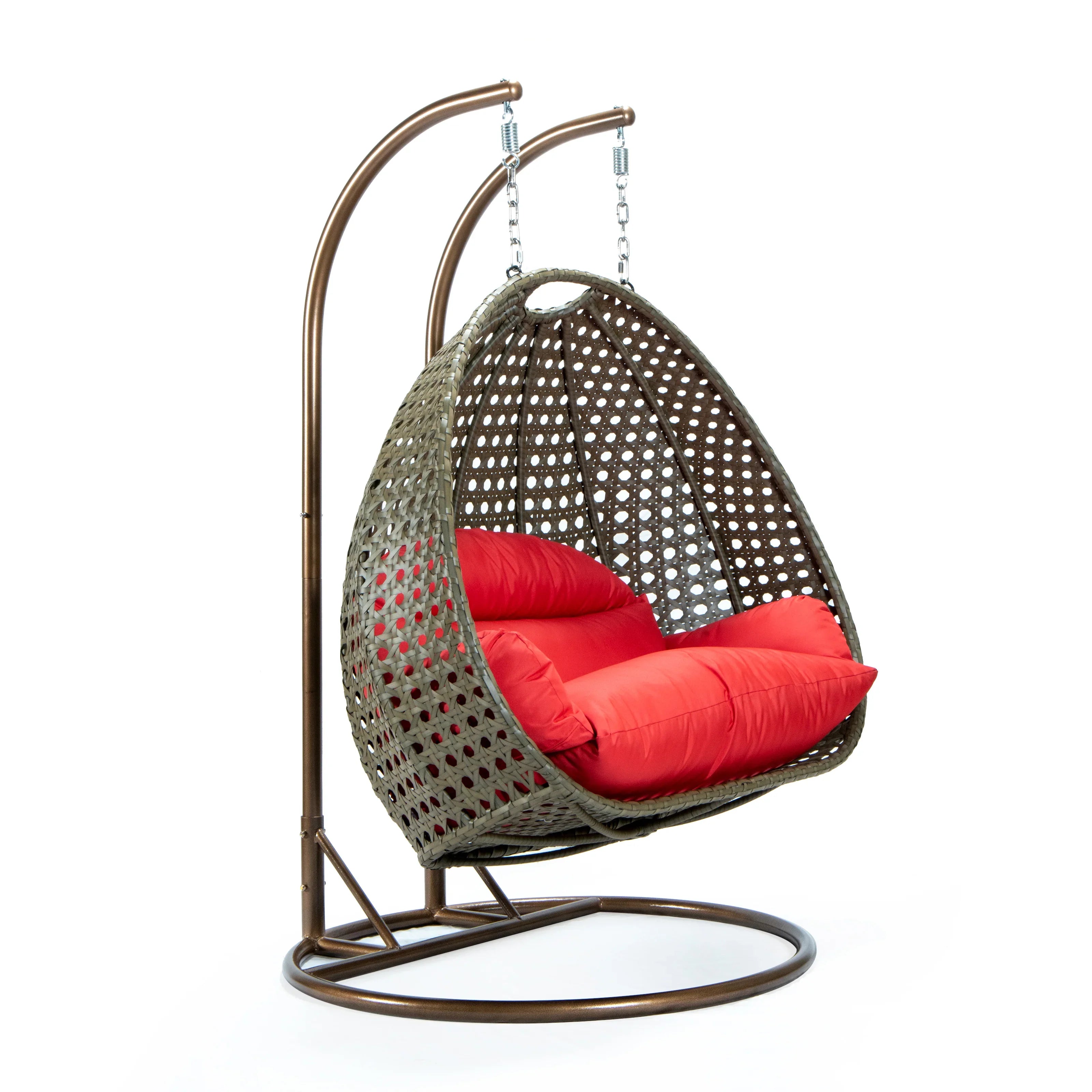
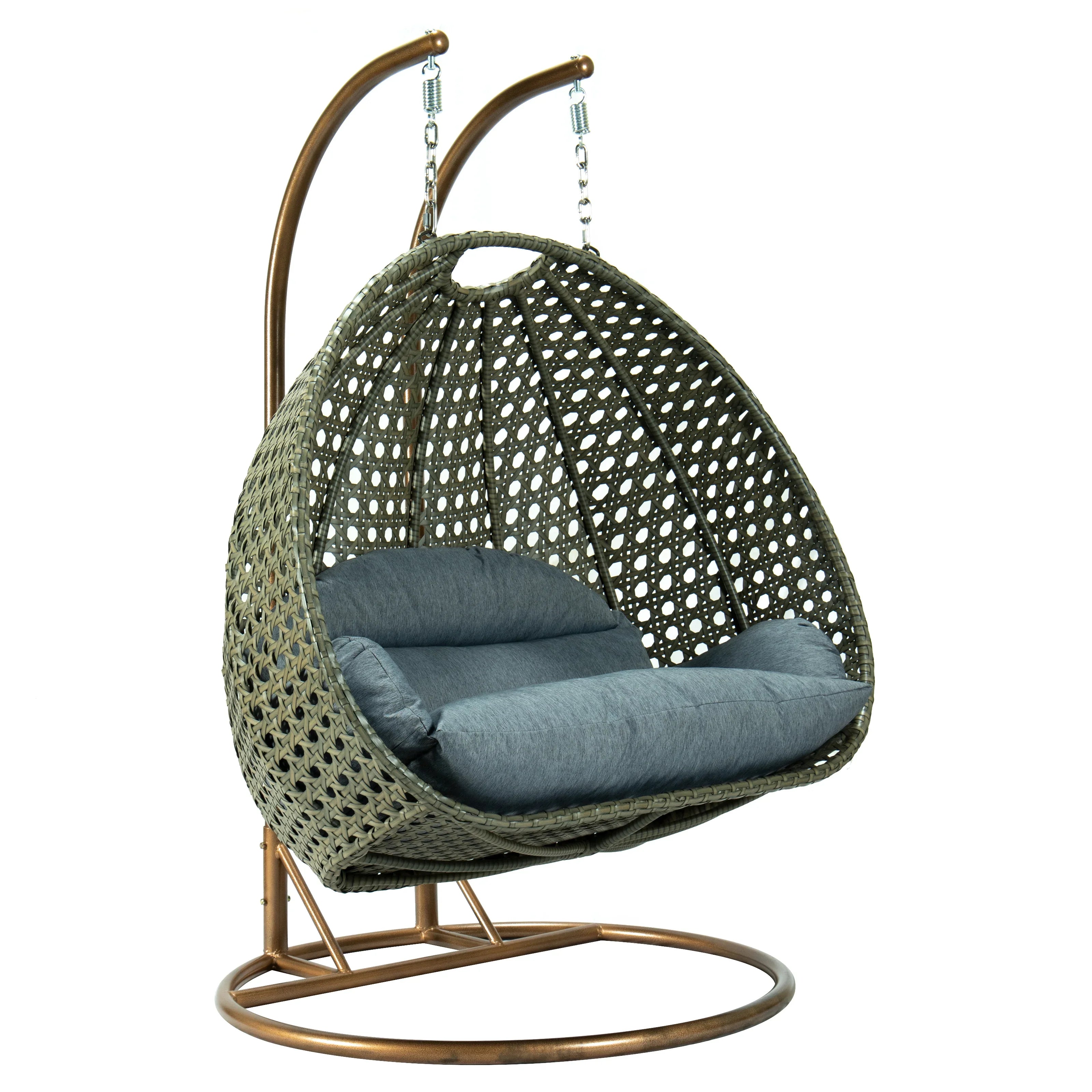
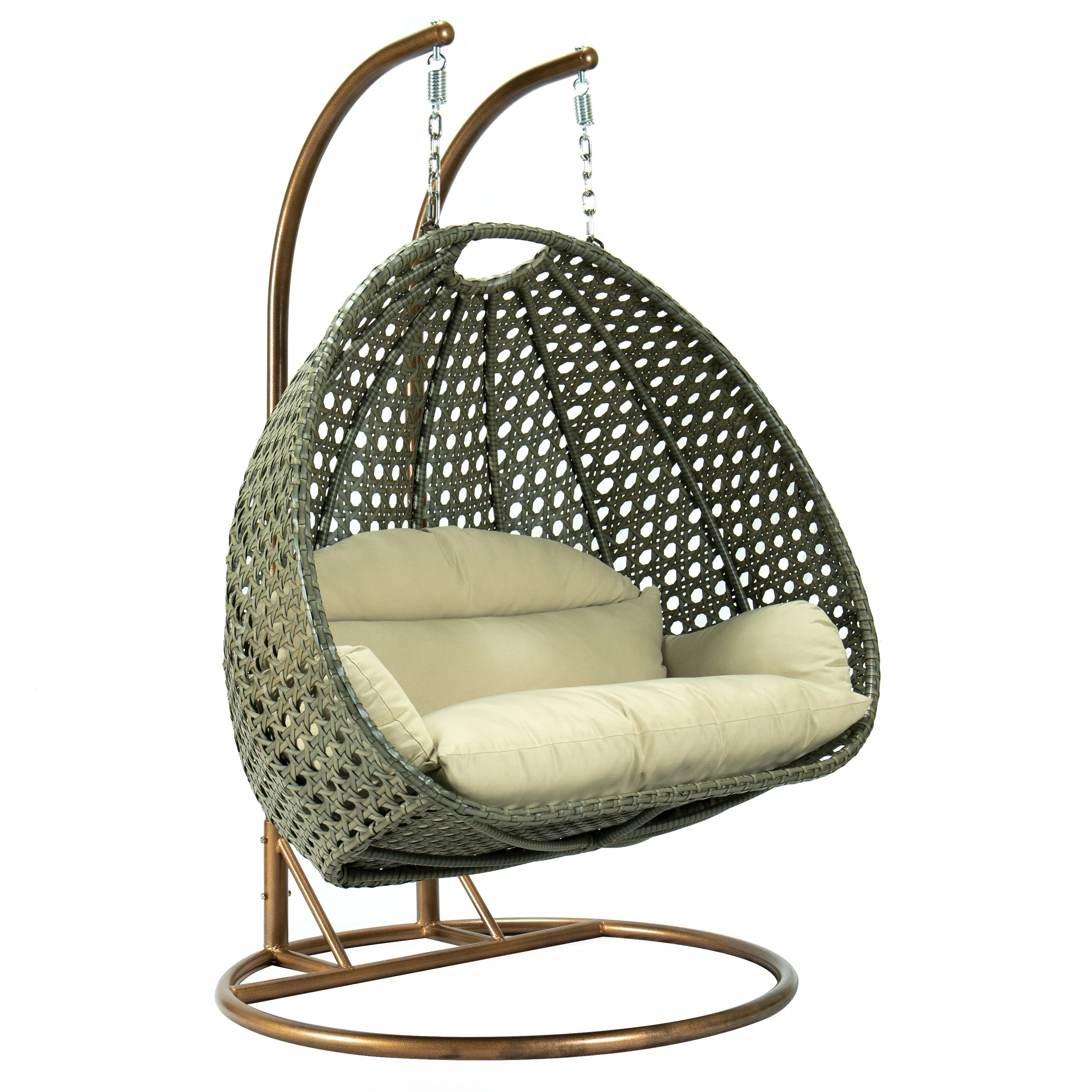
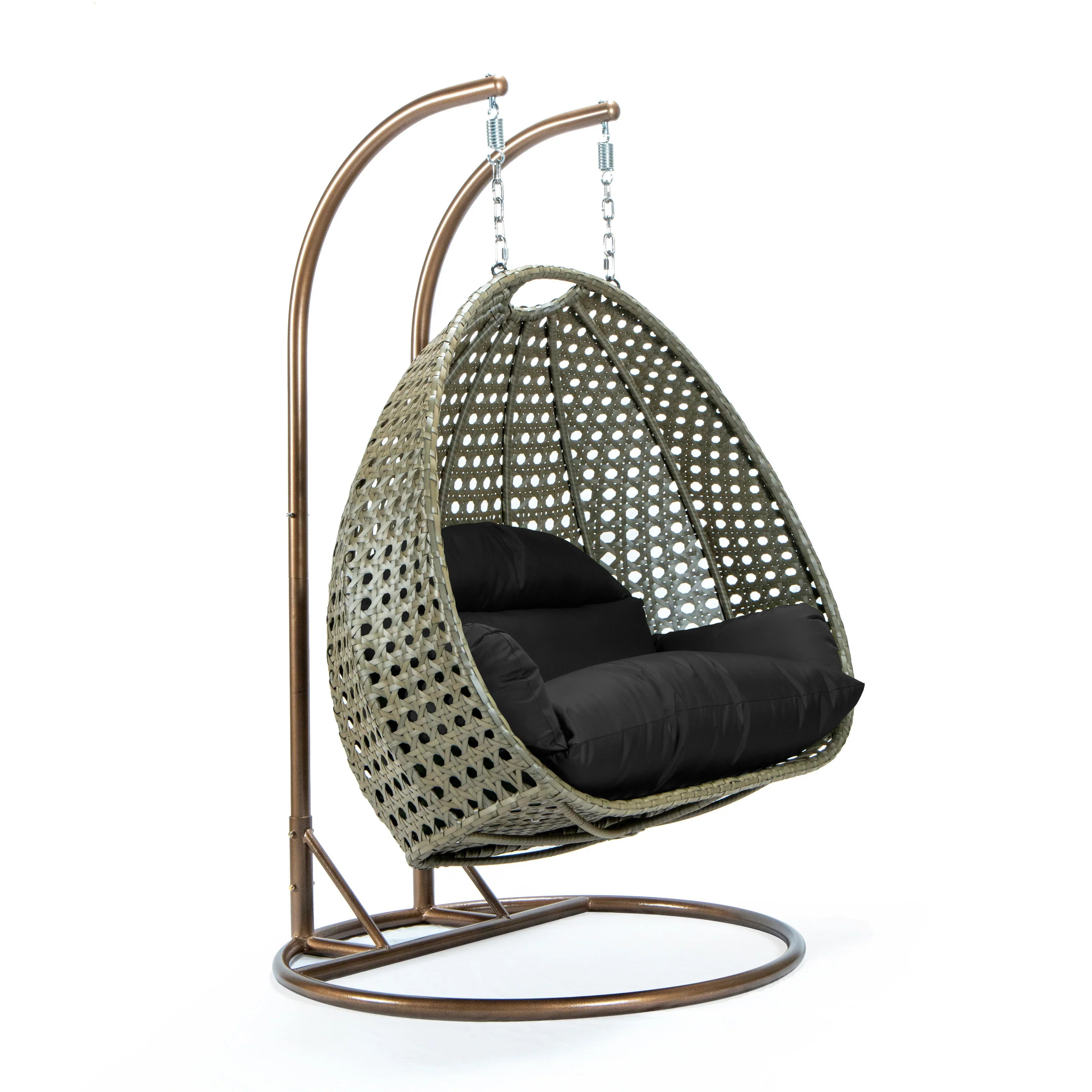
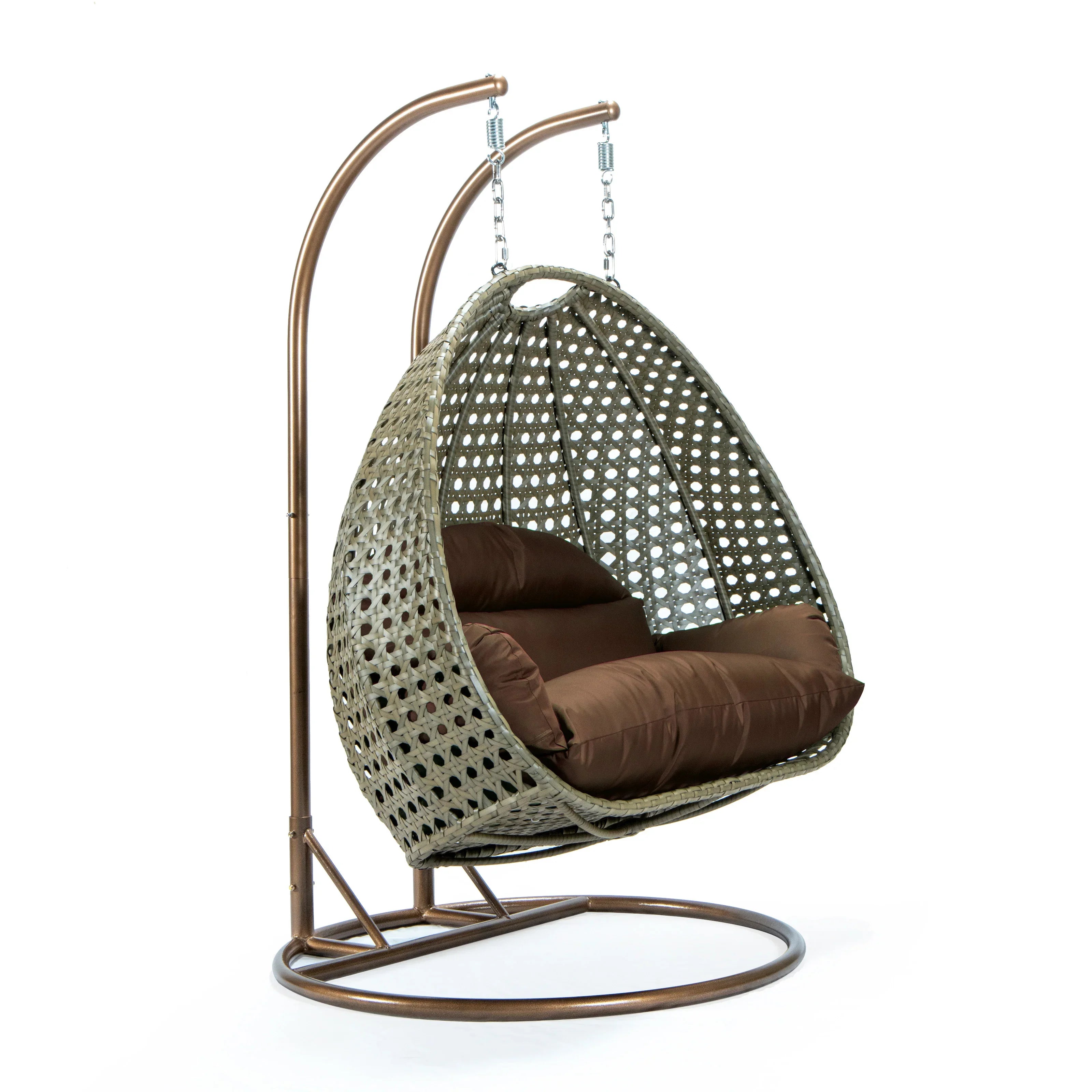
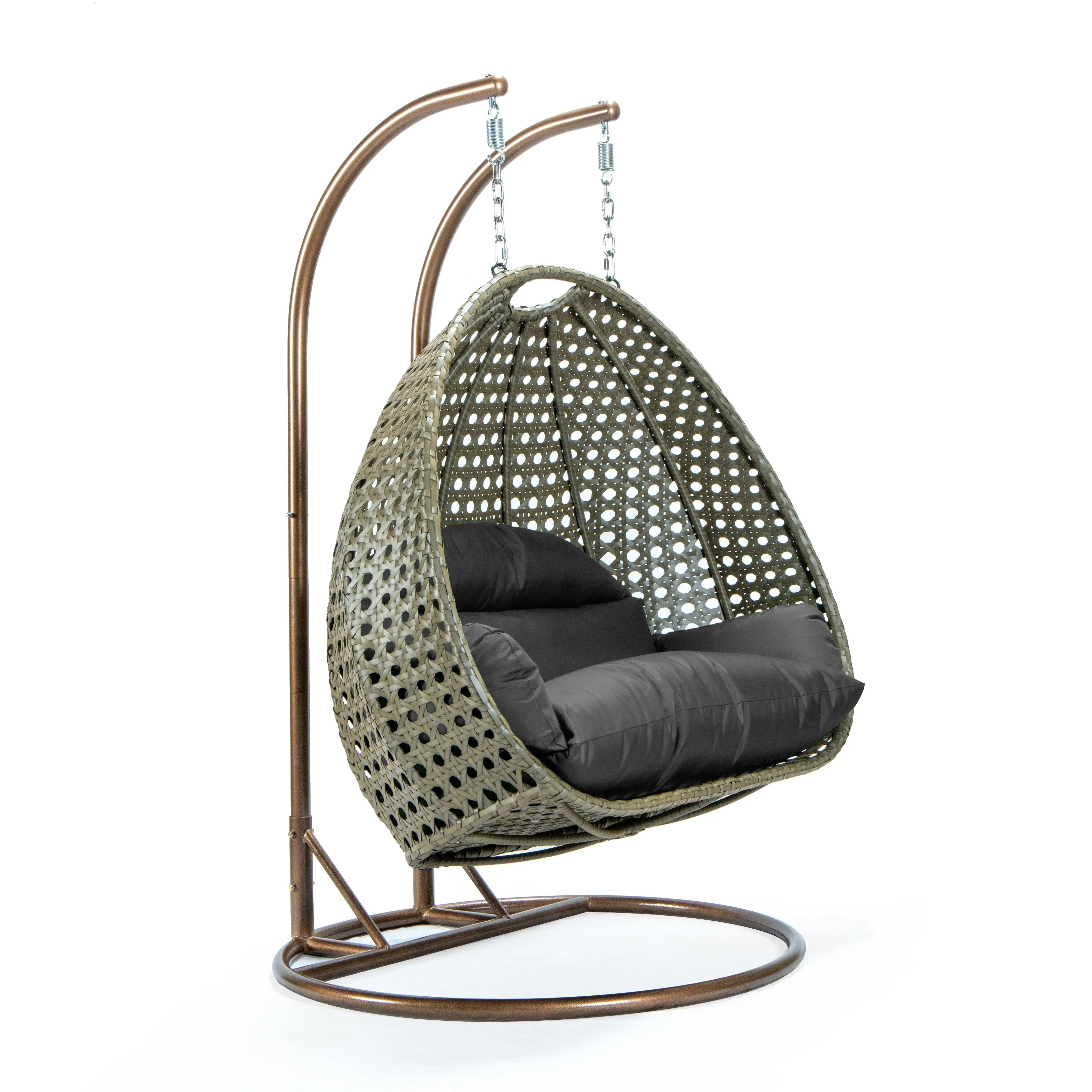
All-Weather Synthetic Wicker (Resin Wicker): High-density polyethylene strands extruded to mimic natural fibers and woven over rust-free aluminum framing. (True Outdoor)
2. What Is Rattan? Anatomy, Strengths, and Vulnerabilities
The Botanical Origin
How Rattan Furniture Is Built
-
The Structural Pole: Large-diameter rattan poles (often referred to as "broomhandle" poles) are steamed in pressurized chambers, bent manually or clamped into custom metal jigs, and cooled into rigid silhouettes (chair frames, sofa bases, and table legs).
-
The Outer Peel (Cane): The glossy, non-porous outer skin of the vine is stripped away into flat, ribbon-like strands known as cane. Cane is prized for its high tensile resilience and is traditionally hand-woven into historic six-way open weave patterns for chair seats and cabinet facings.
-
The Inner Core (Reed): Once the peel is removed, the remaining fibrous inner pith is machine-extruded into uniform cylindrical strands. This flexible core is what artisans weave around the structural frame.
Can Natural Rattan Be Used Outdoors?
-
Water penetrates deep into the inner vine core, causing the fibers to swell, loosen, and lose tension.
-
Trapped moisture rapidly breeds black mold, mildew, and rot within the inaccessible inner joints.
-
Direct solar radiation (UV rays) breaks down natural lignin, stripping organic oils and making the strands brittle, faded, and prone to snapping under standard body weight.
3. What Is Wicker? The Weaving Process Explained
The Evolution: Natural Weave vs. Modern All-Weather Resin Wicker
-
High-Density Polyethylene (HDPE): The premium standard. HDPE resin strands are infused with through-body color pigments and UV-inhibiting compounds (such as Hindered Amine Light Stabilizers). HDPE remains structurally stable in temperatures from -30°F to 130°F (-34°C to 54°C).
-
Polyvinyl Chloride (PVC) / Polyethylene (PE): Budget-tier plastics found in entry-level big-box store furniture. PVC strands typically feature only surface coloring and lack comprehensive UV stabilization, resulting in chalking, fading, and snapping within 1 to 2 seasons.
4. Head-to-Head Comparison: Rattan vs. Wicker
| Comparative Factor | Natural Rattan Furniture | All-Weather Synthetic Wicker | Traditional Natural Wicker |
| Fundamental Classification | Raw Organic Material (Solid climbing palm) | Weaving Process utilizing HDPE synthetic resin | Weaving Process utilizing reed, willow, or cane |
| Structural Frame | Solid steam-bent rattan poles | Powder-coated 1.5mm–2.0mm aluminum tubing | Hardwood, bamboo, or timber framing |
| Optimal Environment | Climate-controlled living rooms, bedrooms, sunrooms | Open-air patios, decks, balconies, pool surrounds | Enclosed sunrooms, dry indoor spaces |
| Water Resistance | ❌ Extremely Low (absorbs water, swells, rots) | ✅ 100% Waterproof (impervious to water absorption) | ❌ Extremely Low (absorbs water, mildews rapidly) |
| UV & Heat Tolerance | ❌ Poor (bleaches, dries out, and cracks) | ✅ Exceptional (rated for 2,000 to 3,000+ direct sunlight hours) | ❌ Poor (strands turn brittle and snap) |
| Resistance to Salt Air | ❌ Fails (organic matter degrades in sea mist) | ✅ Immune (when paired with rust-free aluminum) | ❌ Fails (ambient coastal salt accelerates decay) |
| Average Lifespan | 15 – 30+ Years (indoors) | 10 – 15+ Years (fully outdoors) | 10 – 20 Years (indoors) |
| Routine Cleaning | Soft dry brush, micro-damp rag, wood paste wax | Garden hose spray, mild dish soap, soft nylon brush | Vacuum brush attachment, dry dusting |
5. Which Is Better for Outdoor Patios?
Moisture and Rain Performance
-
Natural Rattan: Rain softens the bent joints, dissolves hide glues, and triggers deep wood-rot within months.
-
Resin Wicker: Synthetic HDPE strands cannot absorb liquid. Water runs off without penetrating the fiber core. Coupled with an interior framework of welded, powder-coated aluminum, an all-weather wicker piece can withstand downpours, high humidity, and pool splashes without structural degradation.
Sun, Heat, and UV Resistance
-
Natural Rattan: Direct summer sunlight evaporates residual moisture within the vine's vascular bundles, causing the cane wrapping around joints to split open.
-
Resin Wicker: Quality resin strands are extruded with color compounded into the raw pellet before extrusion (through-body color). If the surface is scratched, the interior remains the exact same hue. Specialized chemical UV-blockers keep the material from softening, sagging, or fading under intense solar exposure.
6. Real-World Lifespan, Durability, and Investment ROI
-
High-End Natural Rattan: Represents a multi-decade interior investment. In a climate-controlled living room, an authentic rattan armchair or mid-century headboard can easily last 25 to 50 years with minimal care, developing a warm vintage patina that holds strong resale value.
-
High-Grade HDPE Synthetic Wicker: Offers the highest return on investment for exterior living spaces. While priced higher initially than budget metal or plastic sets, high-spec resin wicker paired with marine-grade cushions (e.g., solution-dyed acrylic fabrics) delivers 10 to 15+ years of dependable patio use without requiring seasonal replacement.
-
Low-Cost PVC Wicker Sets: Typically fail within 2 to 3 years. Once thin PVC strands split, repairing the tensioned weave across the seat is rarely cost-effective, turning the entire unit into landfill waste.
7. Quality Checklist: How to Identify Real vs. Synthetic Before Buying
Visual & Tactile Testing
-
Check the Cross-Section: Natural rattan and plant-fiber wicker display organic fibrous pores along the cut ends, noticeable growth nodes, and subtle shade variations between individual strands. Synthetic resin wicker displays a perfectly uniform, smooth polymer core.
-
Feel the Surface Temperature: Natural cane and rattan feel warm and fibrous to the touch. Synthetic resin displays the cooler, slicker initial touch characteristic of high-density thermoplastics.
Frame and Joint Inspection
-
Weight Test: Pick up one corner of the piece. If an outdoor-labeled sofa feels heavy, it likely contains a cheap iron or galvanized steel sub-frame. Steel rusts from the interior out, staining patio pavers with brown runoff. Quality outdoor wicker utilizes lightweight, welded aluminum.
-
Weave Tension: Firmly press the center of the woven seat panel with your palm. A well-crafted wicker weave deflects minimally (less than 1/4 inch) and rebounds immediately. Loose, springy, or unevenly spaced rows signal poor automated tensioning or hand-weaving shortcuts.
8. Cleaning and Preventive Maintenance Protocols
For Indoor Natural Rattan & Organic Wicker:
-
Dusting: Vacuum bi-weekly using a soft upholstery brush attachment to pull particulates and pet dander out from the weave junctions.
-
Humidity Management: Maintain room relative humidity between 40% and 55%. If placed in an excessively dry, air-conditioned environment, lightly mist the underside of the rattan seat with distilled water twice a year to preserve cellular elasticity.
-
Conditioning: Rub boiled linseed oil or paste finishing wax into the rattan poles and cane peel every 12 to 18 months using a lint-free cloth to seal against ambient dryness.
For Outdoor Synthetic Resin Wicker:
-
Surface Washing: Rinse monthly with a standard garden hose to clear away windblown dirt, dead leaves, and tree pollen.
-
Spot Cleaning: Mix 1/4 cup of mild dishwashing liquid with 1 gallon of warm water. Scrub textured weave grooves with a soft-bristled nylon car-wash brush, then rinse thoroughly. Never use bleach, harsh chemical degreasers, or high-pressure power washers, which can strip protective finishes and cut polymer cords.
-
Winterization: In regions subject to deep snow or sustained sub-zero temperatures, protect the set with breathable, water-repellent covers. Storing pieces elevated off damp earth or wet decking prevents water from pooling inside hollow frame legs, where freezing can split welded joints.
9. Frequently Asked Questions (FAQ)
Is rattan furniture more expensive than wicker furniture?
Yes, natural rattan is generally more expensive due to manual harvesting and skilled steam-bending craft. However, commercial-grade outdoor HDPE resin wicker built over welded aluminum frames often matches or exceeds natural rattan in price.
Can natural rattan be sealed to make it 100% waterproof?
No. Varnishes or marine sealants only slow water absorption temporarily. Changing humidity causes organic fibers to expand and contract, which cracks the seal, traps internal moisture, and rots the core.
What is the best outdoor wicker cushion fabric?
Choose 100% solution-dyed acrylic (such as Sunbrella) filled with open-cell, quick-drying reticulated foam. Unlike basic printed polyester, the color is locked inside the fiber, preventing rapid sun bleaching and mildew.
Which is better in dry, scorching heat (e.g., Arizona, Texas)?
-
Verdict: HDPE synthetic wicker.
-
High-grade HDPE handles temperatures above 40°C (104°F) without melting, sagging, or turning brittle.
-
Avoid natural rattan or cheap PVC in desert climates, as intense heat shrinks, cracks, and splits the weave.
Can you use rattan or wicker near the coast (e.g., Florida)?
-
Verdict: All-weather resin wicker on aluminum only.
-
Keep all natural rattan indoors; continuous salt mist and marine humidity cause rapid mold and rotting within weeks.
-
For outdoor decks, verify the internal frame is powder-coated aluminum with 304/316 stainless steel hardware so sea spray does not cause rust streaks.
How does winter freezing affect rattan vs. synthetic wicker (e.g., Northern US, Canada)?
-
Natural rattan: Must be brought into heated indoor storage before the first frost, or frozen trapped moisture will expand and snap the strands.
-
Synthetic wicker: Withstands temperatures down to -20°C (-4°F), but requires waterproof canvas covers to prevent ice from wedging open the weave joints.
