
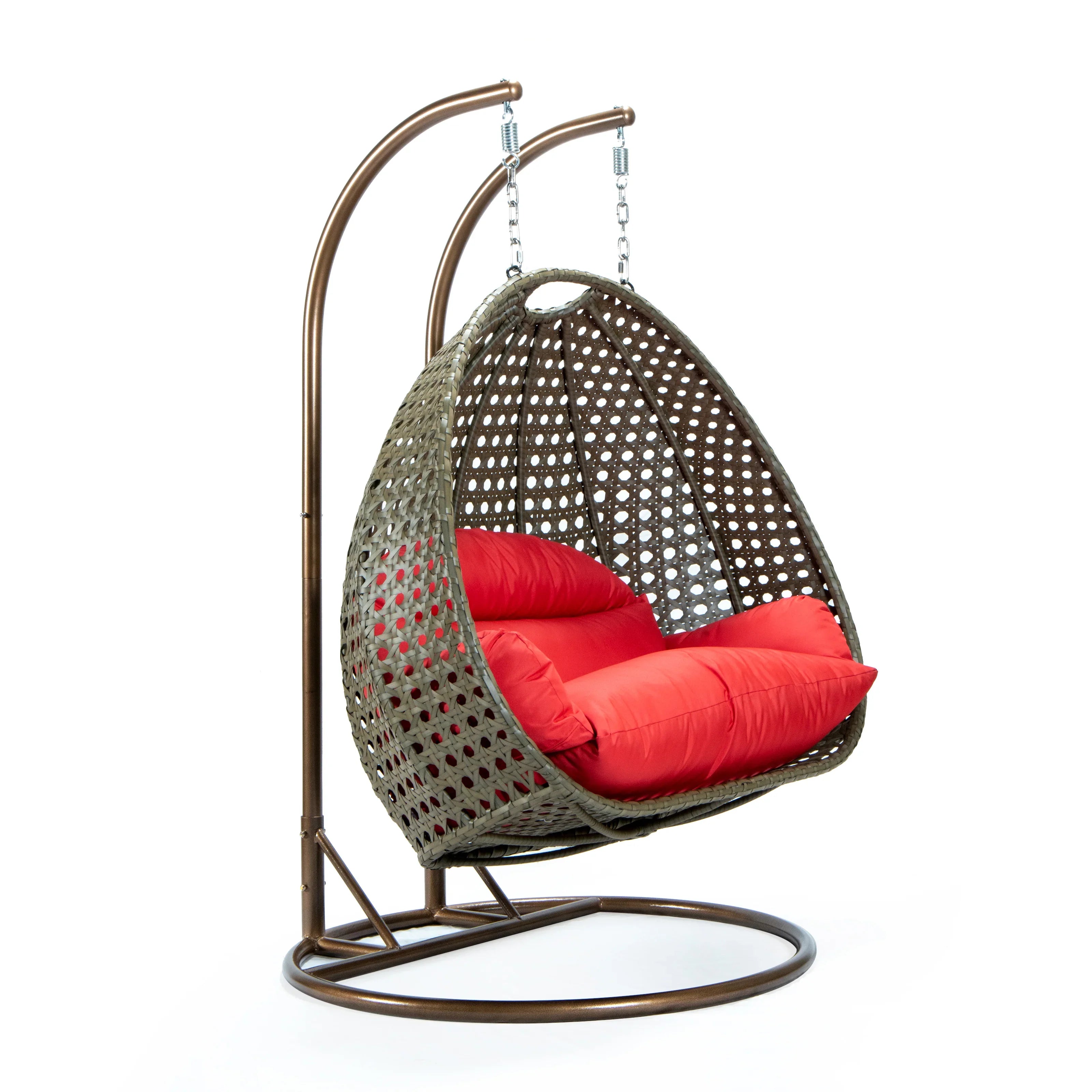
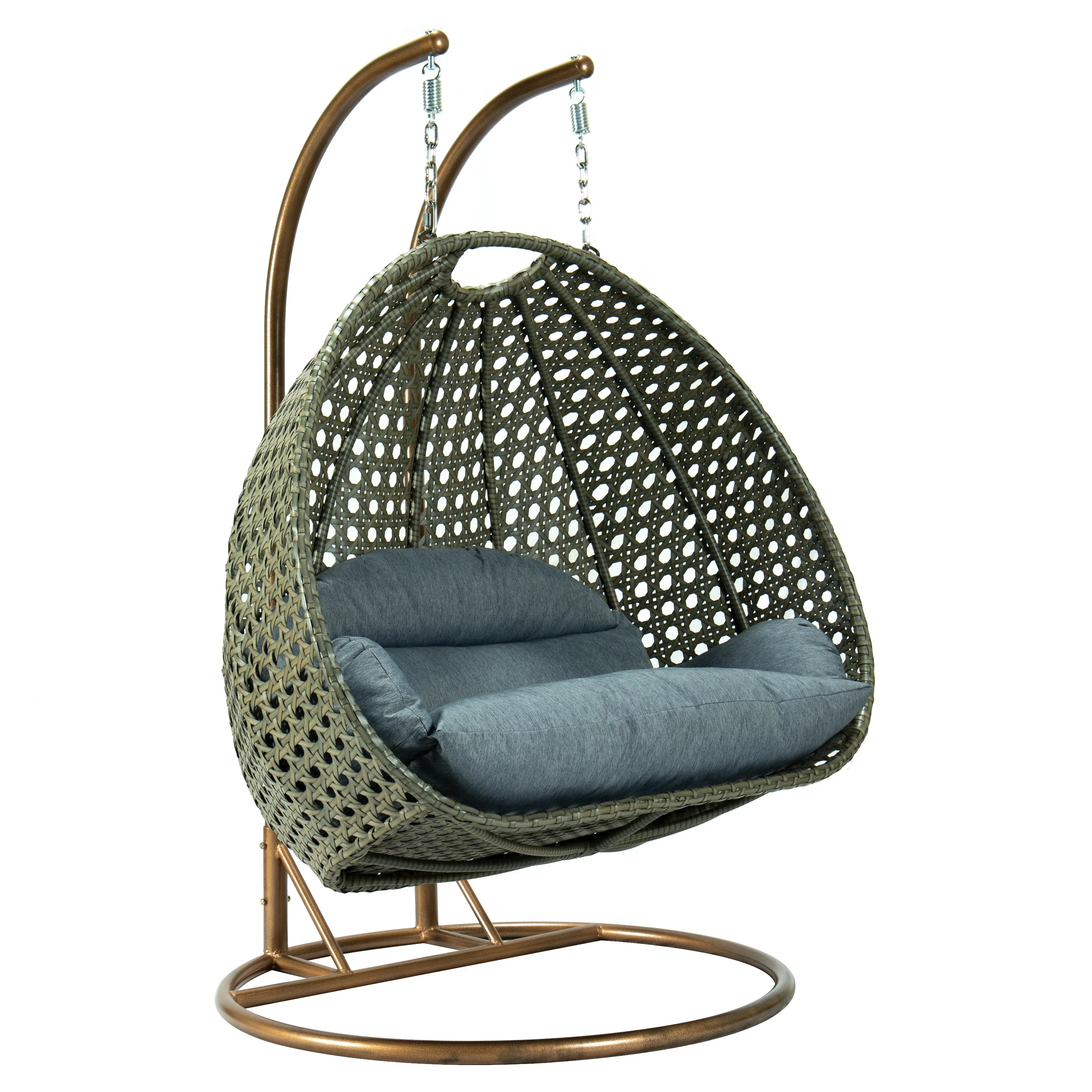
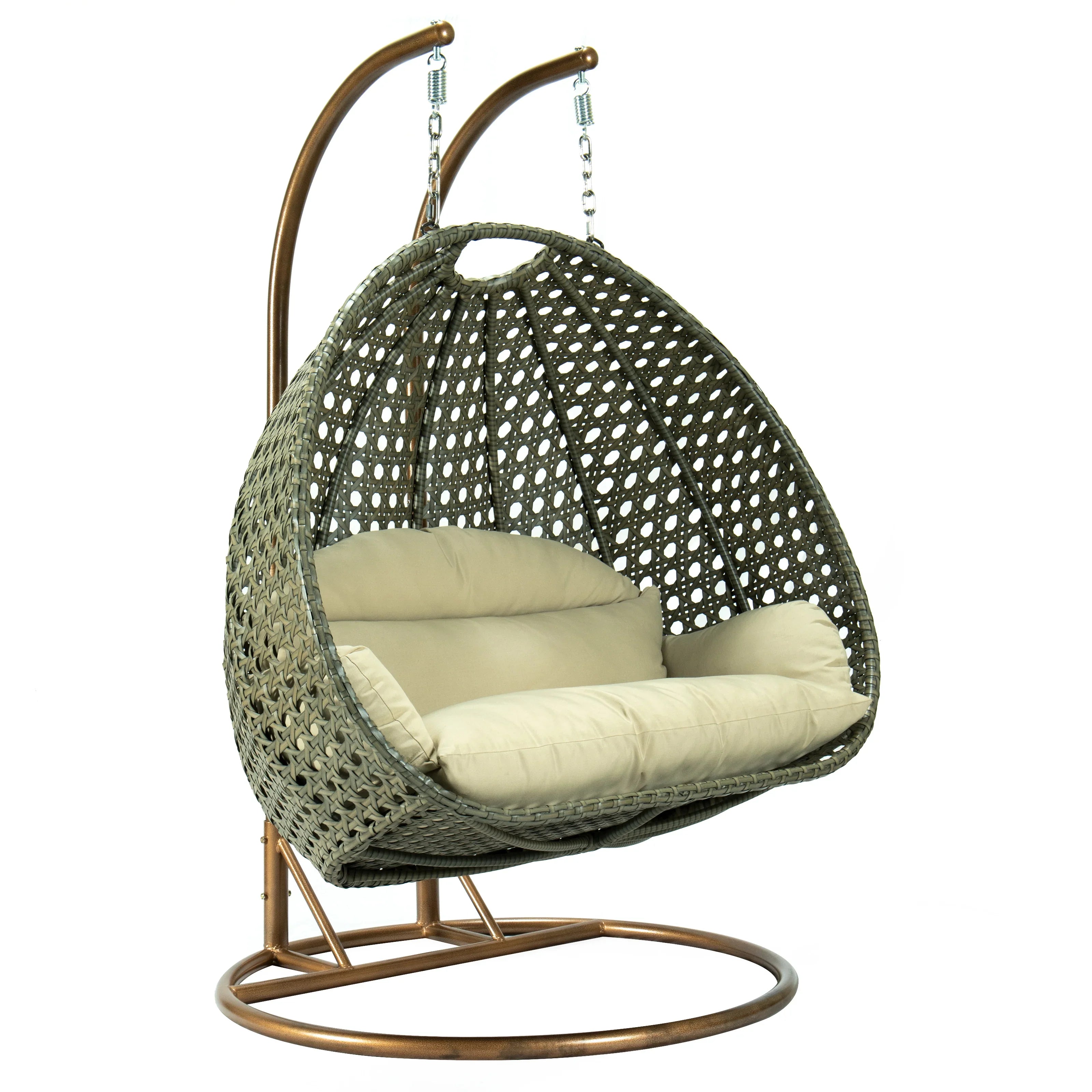
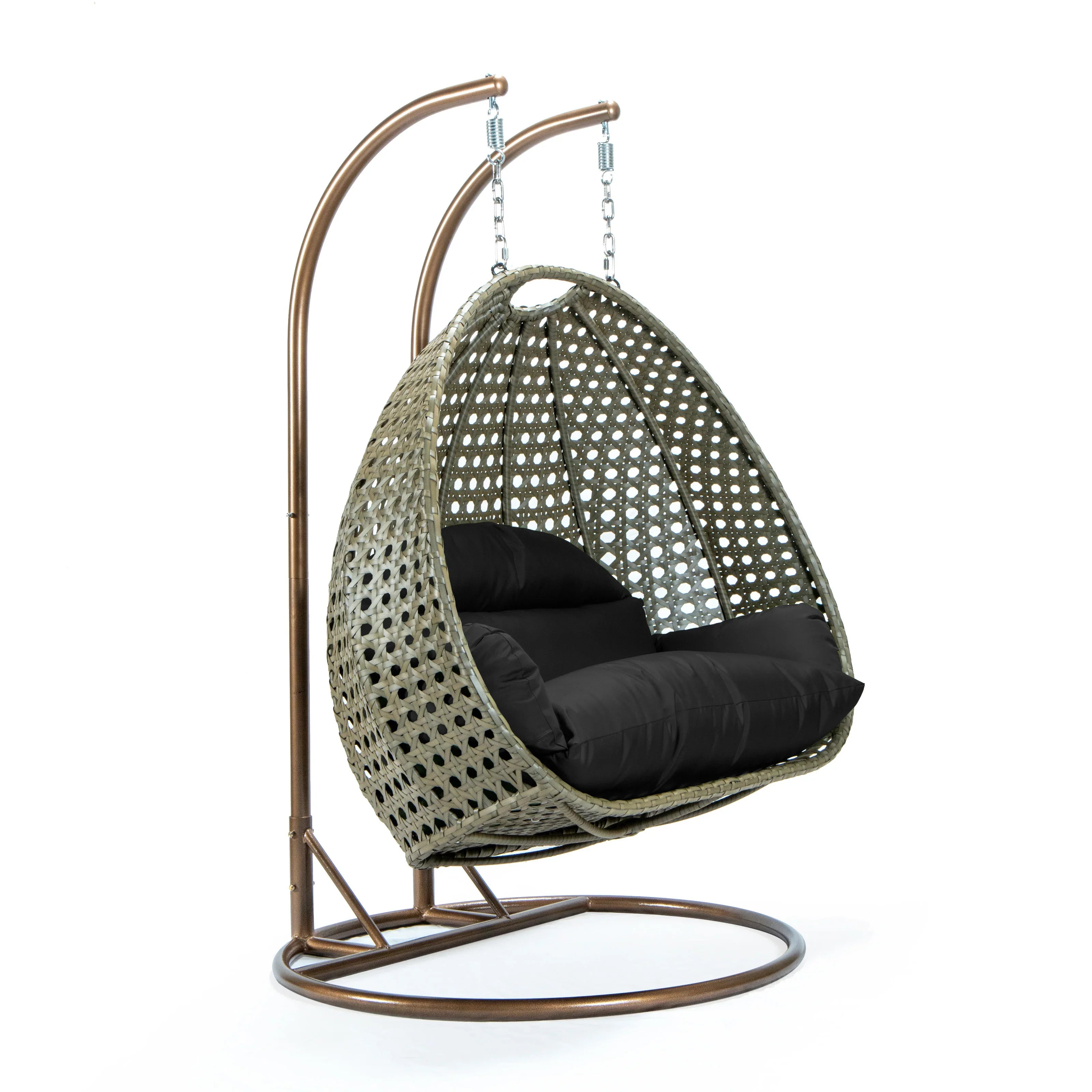




 Furnishing a small apartment presents a unique interior design challenge: how do you fit all your essential furniture without making your home feel cramped, dark, or cluttered? The biggest mistake renters and homeowners make when decorating compact living spaces is buying oversized bulk pieces or cluttering rooms with too many small items.
By choosing multi-functional furniture, utilizing vertical space, and applying strategic lighting layout rules, you can make even the most compact studio or one-bedroom floor plan feel spacious and elevated. Explore these 9 expert strategies on how to furnish a small apartment while keeping your home stylish and functional.
1. Choose Proportional & Low-Profile Seating
When arranging furniture in a compact room, high-backed sofas and bulky armchairs disrupt visual sightlines, making ceilings appear lower and floor space tighter.
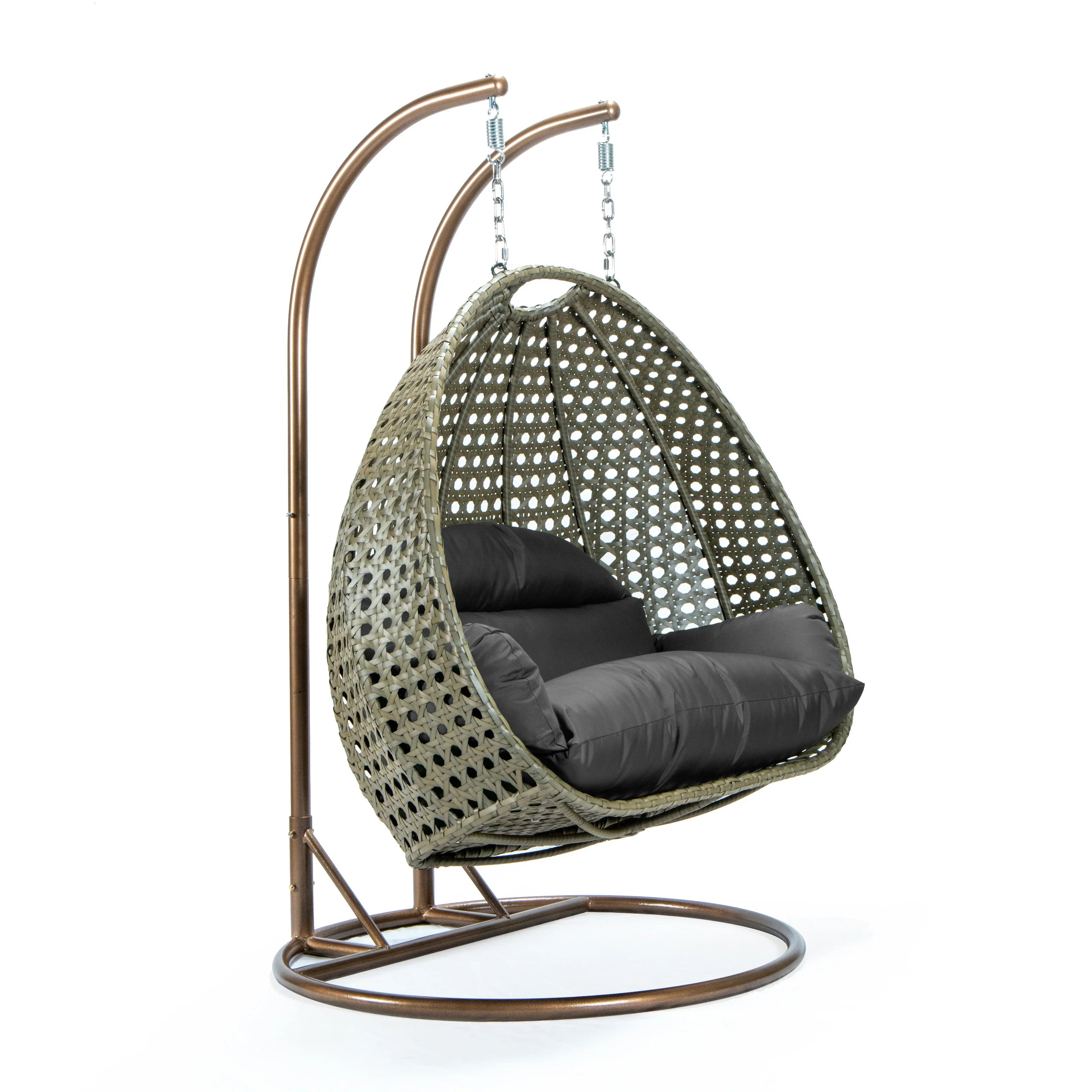
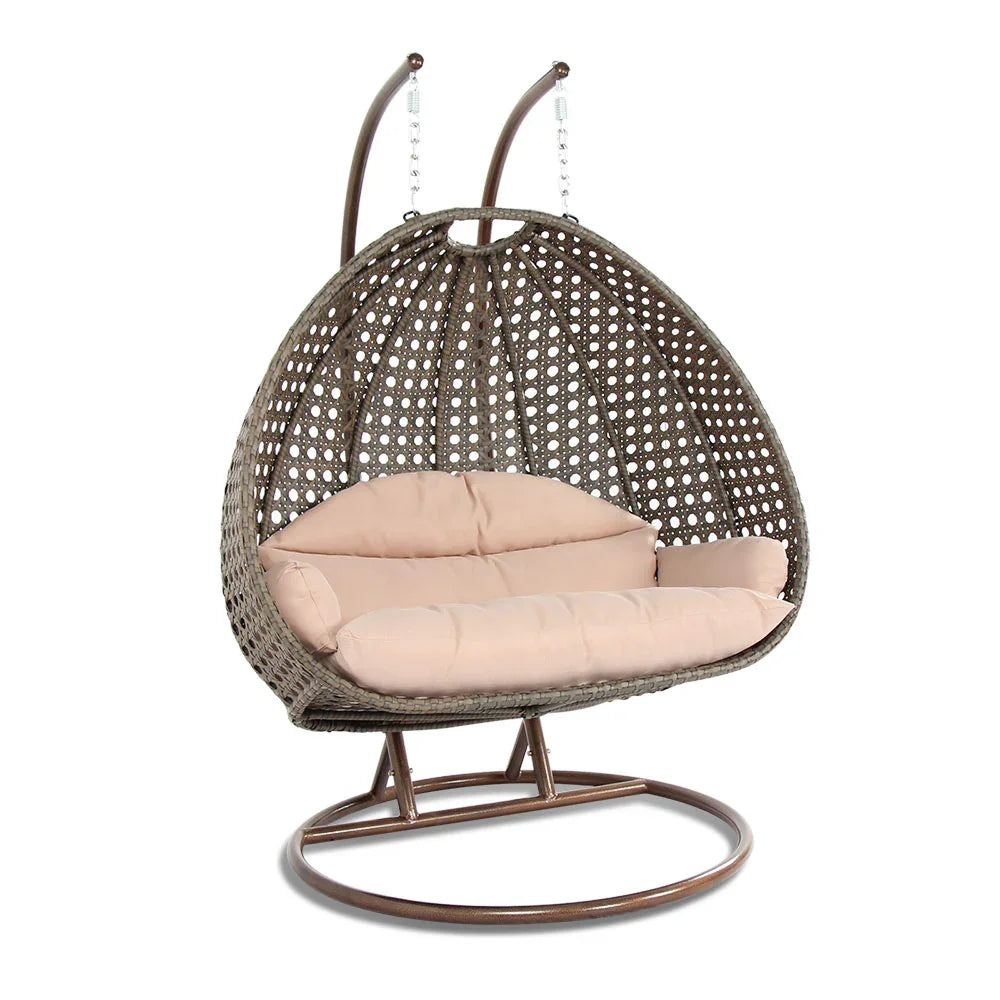
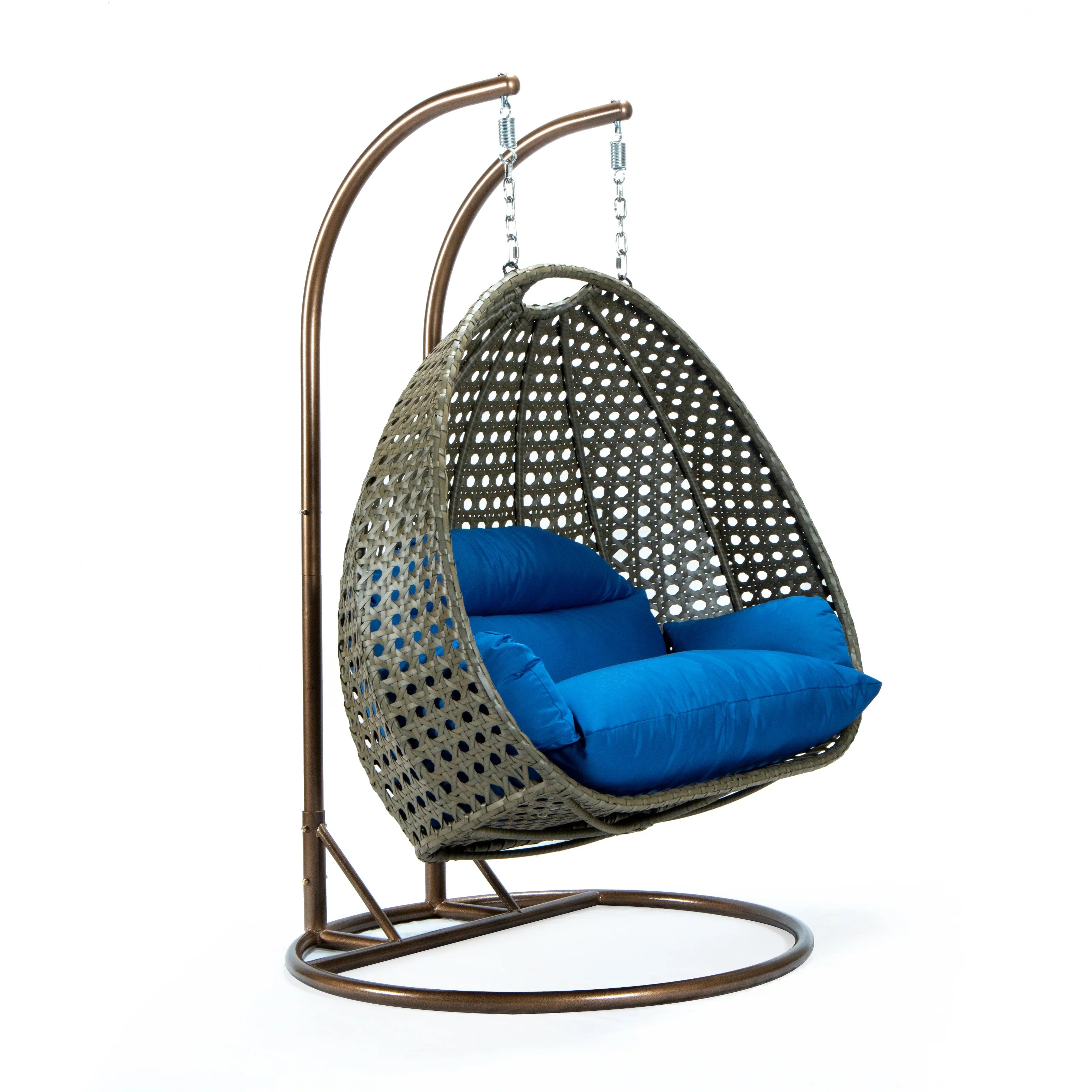
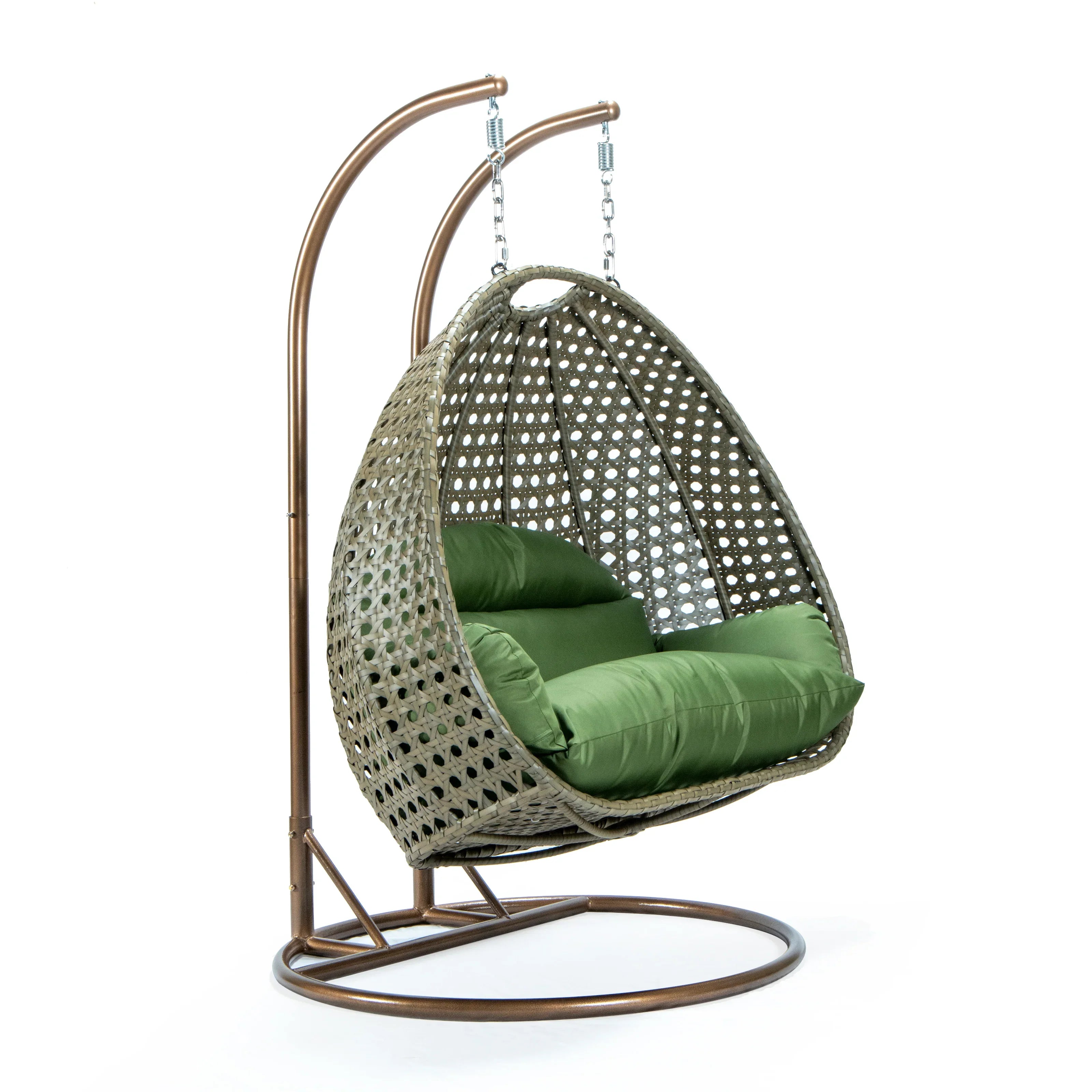
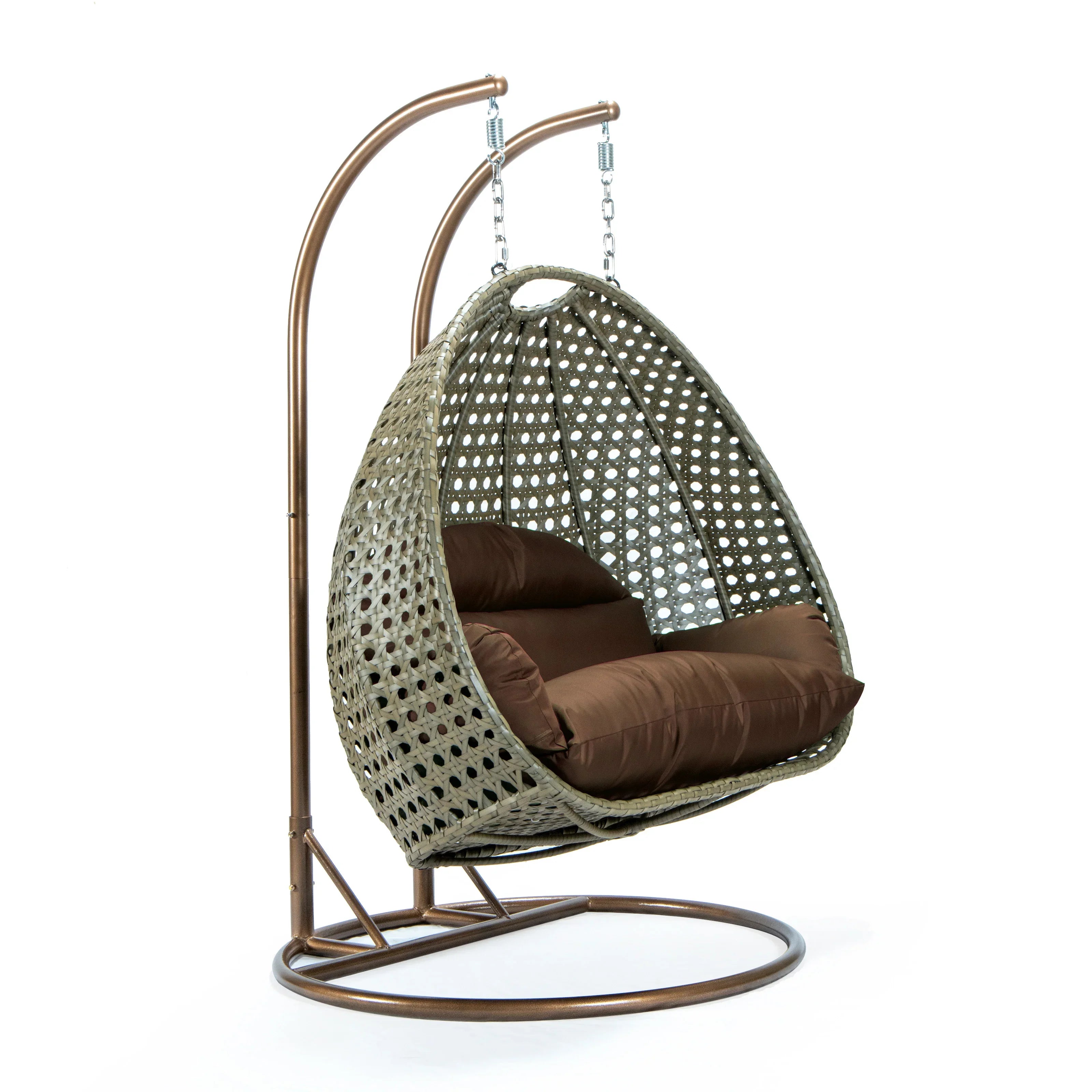
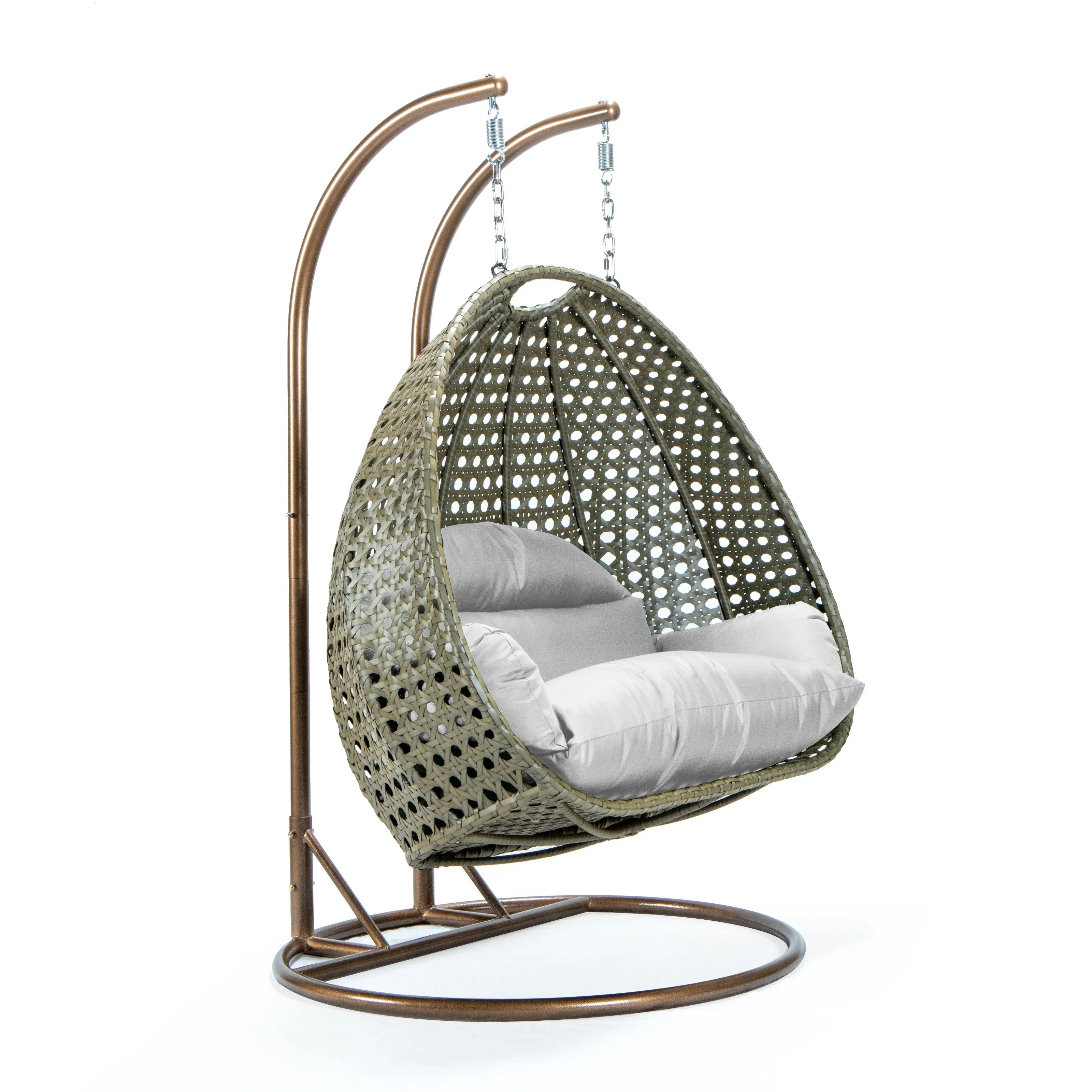
To maintain an open, flowing layout, choose low-slung, streamlined seating. Selecting pieces from a curated Single Sofa Collection allows you to introduce comfortable armchairs and compact accent seating without blocking natural light or overcrowding doorways.
2. Opt for Multi-Functional & Nesting Coffee Tables

In a small apartment layout, every square foot must serve a functional purpose. Traditional large rectangular coffee tables consume valuable center-floor space without offering adaptability.
Switching to round coffee tables, lift-top options, or modular nesting sets provides dynamic flexibility. Nesting tables can be separated when hosting guests and stacked together during daily routines to reclaim open walkway area. Find ideal space-saving centerpieces in our Coffee Tables Collection.
3. Prioritize Furniture with Exposed Legs
Furniture that sits directly on the floor acts as a massive visual block, creating an enclosed, heavy atmosphere in small rooms.
-
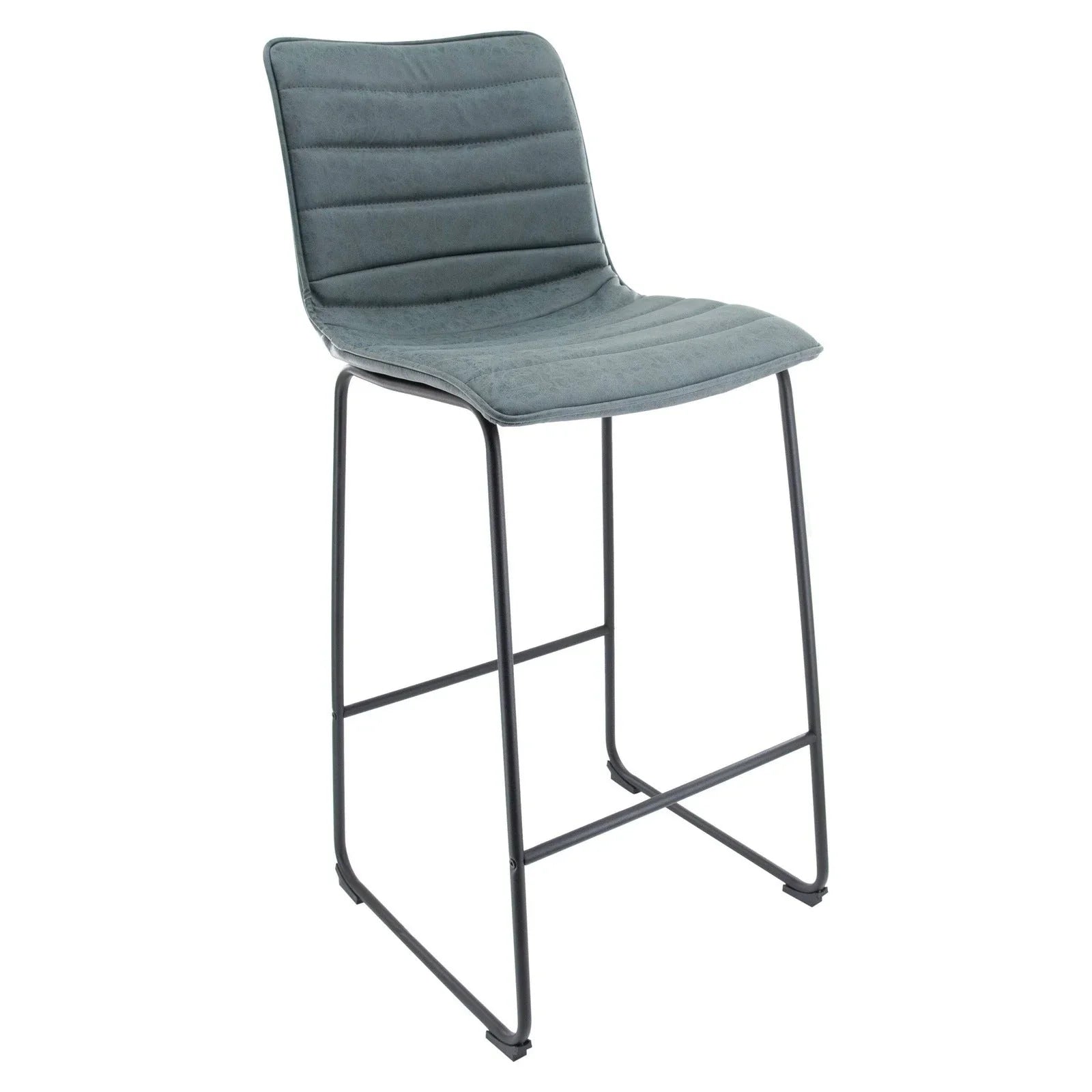
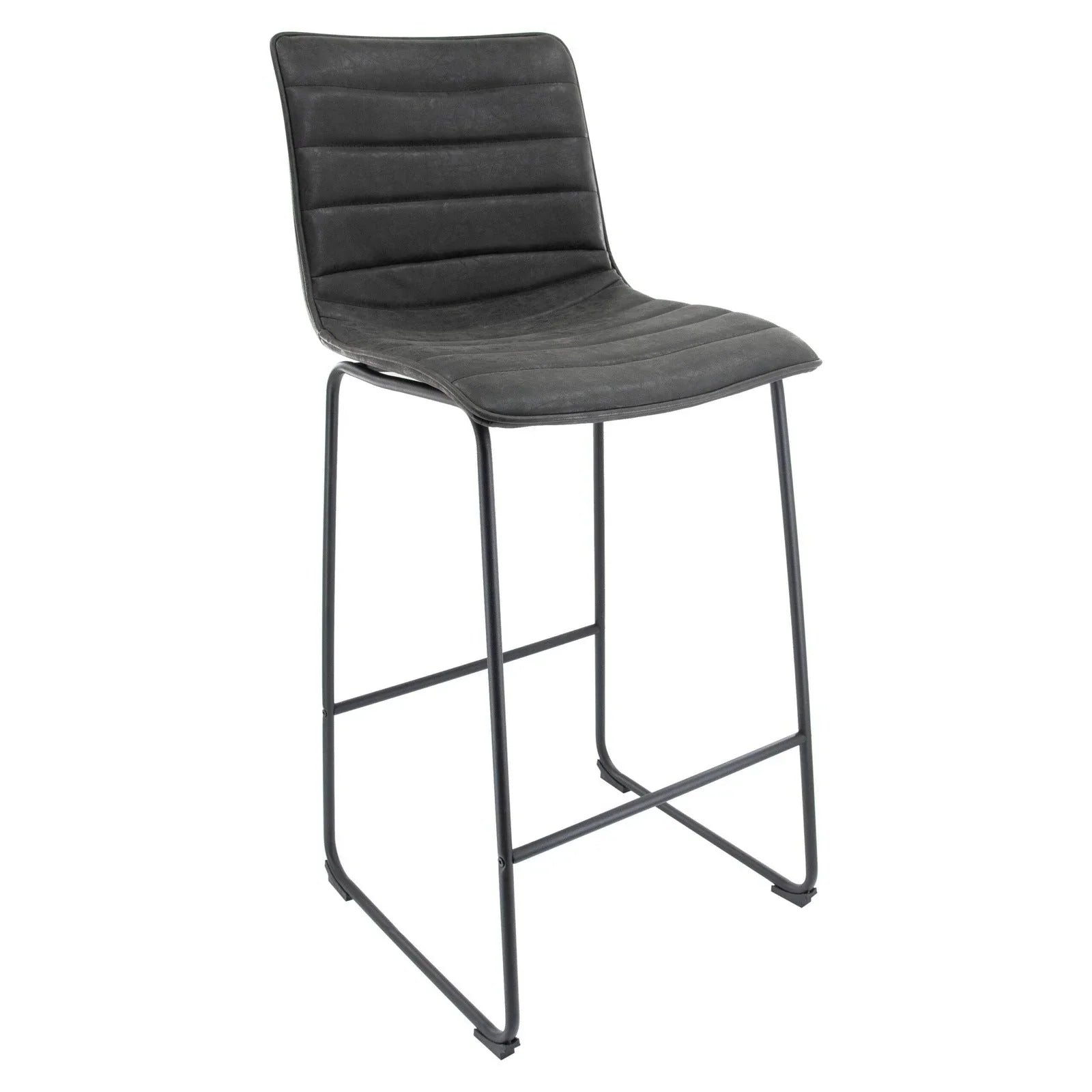
Slender Legs: Choose sofas, sideboards, and chairs with thin wood or metal legs. Elevating furniture frames off the rug allows ambient light to pass beneath, expanding perceived room depth.
-
Transparent Materials: Glass tops and clear acrylic accent furniture eliminate visual bulk entirely while maintaining full functional utility.
4. Maximize Vertical Wall Storage

When horizontal floor area is limited, vertical wall space becomes your most valuable storage asset. Mounting shelves, task lights, and storage units vertically draws the eye upward, highlighting ceiling height rather than tight floor boundaries.
|
Storage & Decor Layer |
Wall Placement Strategy |
Functional & Visual Benefit |
|
High Curtain Hardware |
Mounted close to ceiling trim |
Creates an elongated vertical line to make short walls look tall |
|
Floating Display Shelves |
Mounted high on focal walls |
Keeps books and decor off tabletops to reclaim counter space |
|
Mounted Wall Sconces |
Flanking the sofa or bed |
Replaces bulky floor lamps and side tables to keep walkways clear |
|
Grounded Low Furniture |
Kept below eye-level height |
Prevents top-heavy room weighting and maintains open airiness |
By transferring lighting and storage to your walls, you free up physical floor space for easy movement and daily living.
5. Harness Light Reflection with Strategic Mirrors
Mirrors are a foundational tool for small apartment interior design because they bounce natural sunlight into dim corners and visually double room dimensions.
-
Opposite Windows: Hang a large framed mirror directly across from a primary window to maximize light bounce.
-
Reflect Clean Zones: Position mirrors facing open areas or artwork rather than cluttered storage racks to avoid duplicating visual noise.
6. Define Functional Zones with Area Rugs
In studio apartments or open-plan layouts, unanchored furniture creates a chaotic, floating look. Using small "postage stamp" rugs under individual items cuts the room into fragmented sections.
Instead, select an oversized area rug (such as 5'x8' or 6'x9') that unifies your main seating arrangement. Ensuring the front legs of your sofa and accent chairs rest firmly on the rug creates a clearly defined living room zone within a small floor plan.
7. Compare Layout Strategies for Small Spaces
Choosing the right furniture layout depends heavily on your apartment shape and everyday lifestyle priorities:
|
Layout Strategy |
Best Apartment Type |
Key Furniture Focus |
Primary Functional Benefit |
|
Open-Sightline Layout |
Studio apartments & narrow spaces |
Low-profile seating & glass tables |
Preserves natural light and open walkways |
|
Zone-Divided Layout |
Combined living/dining areas |
Oversized rugs & slim console desks |
Creates distinct functional "rooms" without building walls |
|
Vertical Storage Layout |
Compact high-ceiling units |
Floating wall units & tall bookcases |
Offloads storage from floor space up onto wall space |
8. Hang Window Treatments High and Wide

A classic mistake when decorating small apartments is hanging curtain rods directly above the window frame. This truncates the wall and emphasizes small window dimensions.
Mount curtain hardware as close to the ceiling as possible and extend the rod 6 to 12 inches past the window frame on each side. Hanging floor-length drapes in this manner tricks the eye into perceiving soaring ceiling heights and wider windows.
9. Establish a Cohesive Neutral Palette
Excessive patterns and high-contrast color shifts segment small rooms into jarring visual blocks. Keeping walls and main furniture pieces within a cohesive neutral color family establishes an airy, harmonious backdrop.
-
Use soft neutrals (warm taupe, cream, or light gray) on large investments like sofas and walls.
-
Introduce pops of vibrant color and rich texture through throw blankets, artwork, or sculpted accent seating from Elax Furniture.
Frequently Asked Questions
What furniture should I buy first when furnishing a small apartment?
Prioritize multi-functional base pieces first, such as a compact low-profile sofa, a storage or nesting coffee table, and vertical shelving units. These essential items establish functional seating and storage without cluttering your floor plan.
How do I make a small, dark apartment feel larger and brighter?
Place large mirrors directly across from windows, hang floor-length curtains high near the ceiling, and choose light-toned furniture with exposed legs. Using reflective glass or acrylic surfaces further boosts light distribution throughout dark rooms.
What is the best couch style for a small apartment?
A low-profile 2-seater sofa paired with slim accent chairs is ideal because it provides flexible seating arrangements. If you prefer a sectional, choose a compact L-shaped design featuring a raised frame with exposed legs.
How do I define separate living and dining areas in a studio apartment?
Anchor each functional zone using distinct area rugs and position low-profile furniture pieces, like a slim console table or low credenza, to act as subtle room dividers without blocking visual sightlines.
What is the most effective way to add storage without losing floor space?
Utilize your wall height by installing floating wall shelves, tall narrow bookcases, and wall-mounted lighting fixtures. Vertical storage keeps your daily necessities accessible while preserving open floor space for easy movement.
