




















To clean a faux leather sofa safely, vacuum the seams, wipe the surface with a soft microfiber cloth dampened in warm water and a few drops of mild dish soap, rinse with a clean cloth dampened in plain water, and dry it immediately with a towel. Skip bleach, harsh solvents, and abrasive scrubbing pads, as they strip the protective finish.
Faux leather—also sold as vegan leather, PU leather, synthetic leather, or pleather—is made from a polyurethane or vinyl coating bonded to a fabric backing. While that smooth surface makes everyday spills easy to wipe away, strong chemicals or excess moisture can leave it tacky, dull, or prone to peeling. Below is the complete cleaning routine, targeted fixes for ink, jean dye, and sticky armrests, and how to tell when wear goes beyond surface cleaning.
Check Your Care Tag and Material Before Cleaning
Before applying any liquid, lift the seat cushions and look along the frame or decking for a care label. As explained in our guide to upholstery care codes, letter tags dictate what cleaners are safe: W allows water-based cleaning, S means solvent-only, WS allows either, and X means vacuum-only. Many modern vegan leather pieces carry simple spot-clean instructions—for example, the care tag on our Luxify three-seater sofa reads Wipe Clean / Spot Clean.
Next, confirm the exact material type:
-
PU or PVC Faux Leather: Purely synthetic coatings that resist water well when wiped lightly and dried promptly.
-
Bonded Leather: Blends shredded real leather fibers with polyurethane binders. Under Federal Trade Commission (FTC) leather guidelines, manufacturers must disclose bonded leather accurately because it is more porous and sensitive to moisture—meaning you should use an even drier cloth.
How to Clean a Faux Leather Couch Step-by-Step
Gather a vacuum with a soft brush attachment, two clean microfiber cloths, mild liquid dish soap, and a dry bath towel.
-
Vacuum all seams and crevices: Remove loose cushions and brush out dirt, crumbs, and grit along piping and armrests. Wiping over loose grit acts like sandpaper on synthetic coatings.
-
Mix a mild soap solution and spot test: Stir a few drops of mild dish soap into a bowl of warm water. Dampen a cloth and test a hidden area, such as the lower back panel, letting it dry completely to ensure no discoloration occurs.
-
Wipe in small sections: Dip your first microfiber cloth into the soapy water and wring it out until it is barely damp. Wipe gently using light pressure without soaking stitched seams.
-
Rinse thoroughly with plain water: Dampen your second microfiber cloth in clean, plain water, wring it well, and wipe away all soap residue. Leftover detergent attracts dust and makes faux leather feel sticky.
-
Dry immediately: Buff the surface dry with your towel, then let it air-dry away from space heaters, vents, or direct sunlight.
How to Remove Sticky Spots, Ink, and Tough Stains
Treat spills and marks as soon as they appear, and always spot-test stain removers in a hidden area first.
| Stain or Issue | Safe Removal Method | Key Precaution |
| Sticky armrests | Wipe with warm mild dish soap, rinse twice with plain water, and towel dry. | Recurring tackiness signals age-related coating breakdown. |
| Ink or pen marks | Dab gently with a cotton swab dipped in 70% isopropyl alcohol, then wipe with a damp cloth. | Never rub aggressively; verify your care tag allows alcohol first. |
| Jean or pillow dye | Clean immediately using the mild soap and plain-water rinse routine. | Keep dark raw denim off pale vegan leather, as set dye rarely lifts. |
| Grease or oil | Blot excess oil, cover with dry cornstarch for 20 minutes, brush off, and wipe clean. | Do not rub wet grease into stitched seams. |
| Pet hair & crumbs | Swipe with a dry microfiber cloth to lift hair statically without scratching. | Avoid stiff wire pet brushes on synthetic upholstery. |
What to Avoid on Faux Leather Upholstery
Using the wrong household cleaner is the fastest way to ruin synthetic upholstery. Keep these items away from your couch:
-
Bleach, ammonia, and solvent-based cleaners: These chemicals dissolve plasticizers, causing the surface to harden and crack.
-
Magic Erasers and scouring pads: Melamine foam and abrasive sponges act like fine sandpaper, stripping away the top color coat.
-
Steam cleaners, hair dryers, and heaters: High heat warps polyurethane coatings and causes premature peeling.
-
Heavy oils or real-leather wax conditioners: Synthetic leather cannot absorb animal fats or waxes, leaving behind a greasy film that traps dirt.
How Often to Clean and When to Disinfect
For routine upkeep, dust your faux leather couch weekly with a dry microfiber cloth and perform the mild soap-and-water wipe once a month or whenever smudges appear.
When it comes to sanitizing, the Centers for Disease Control and Prevention (CDC) notes that routine home disinfecting is usually unnecessary unless someone in the household is sick—and you should always clean surface dirt first. If you prefer buying pre-mixed household cleaners, look for the U.S. EPA Safer Choice label to ensure the formula uses safer chemical ingredients for families and pets.
When Cleaning Will Not Fix the Problem
Flaking, peeling, and deep surface cracks are signs that the polyurethane coating is degrading—not dirt buildup—so additional scrubbing will only pull away more material. Tiny nicks can sometimes be stabilized using a color-matched vinyl repair kit, but widespread peeling typically requires reupholstering or replacing the piece.
Direct sunlight, radiator heat, and high humidity accelerate peeling, so position your sofa a few feet away from sunny windows and air vents. If it is time for an upgrade, explore our full-size sofas, which include durable vegan leather options like the Opula three-seater designed for everyday living.
Commercial Care for Hotels, Cafés, and Offices
High-traffic commercial environments require a consistent maintenance schedule rather than occasional deep cleans:
-
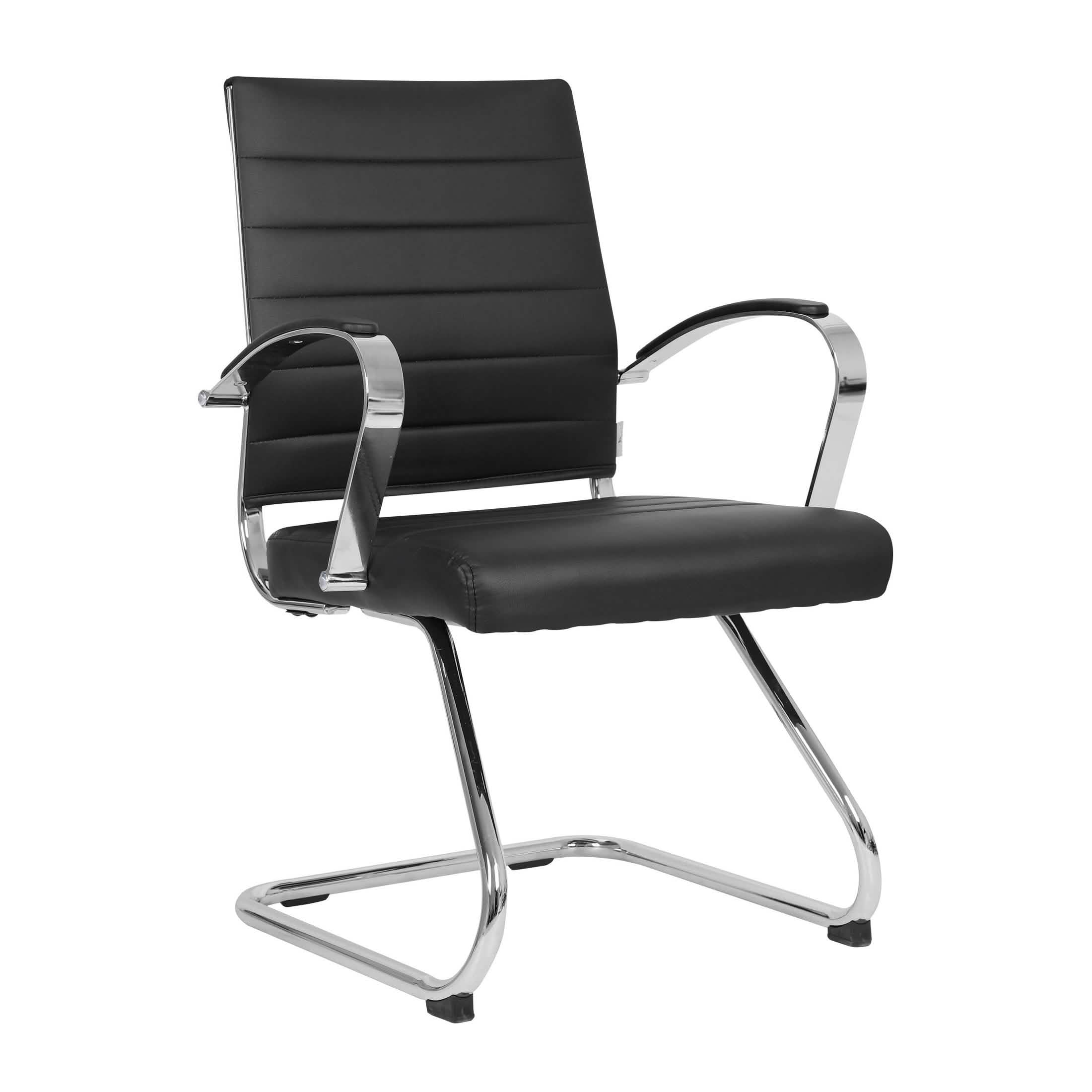
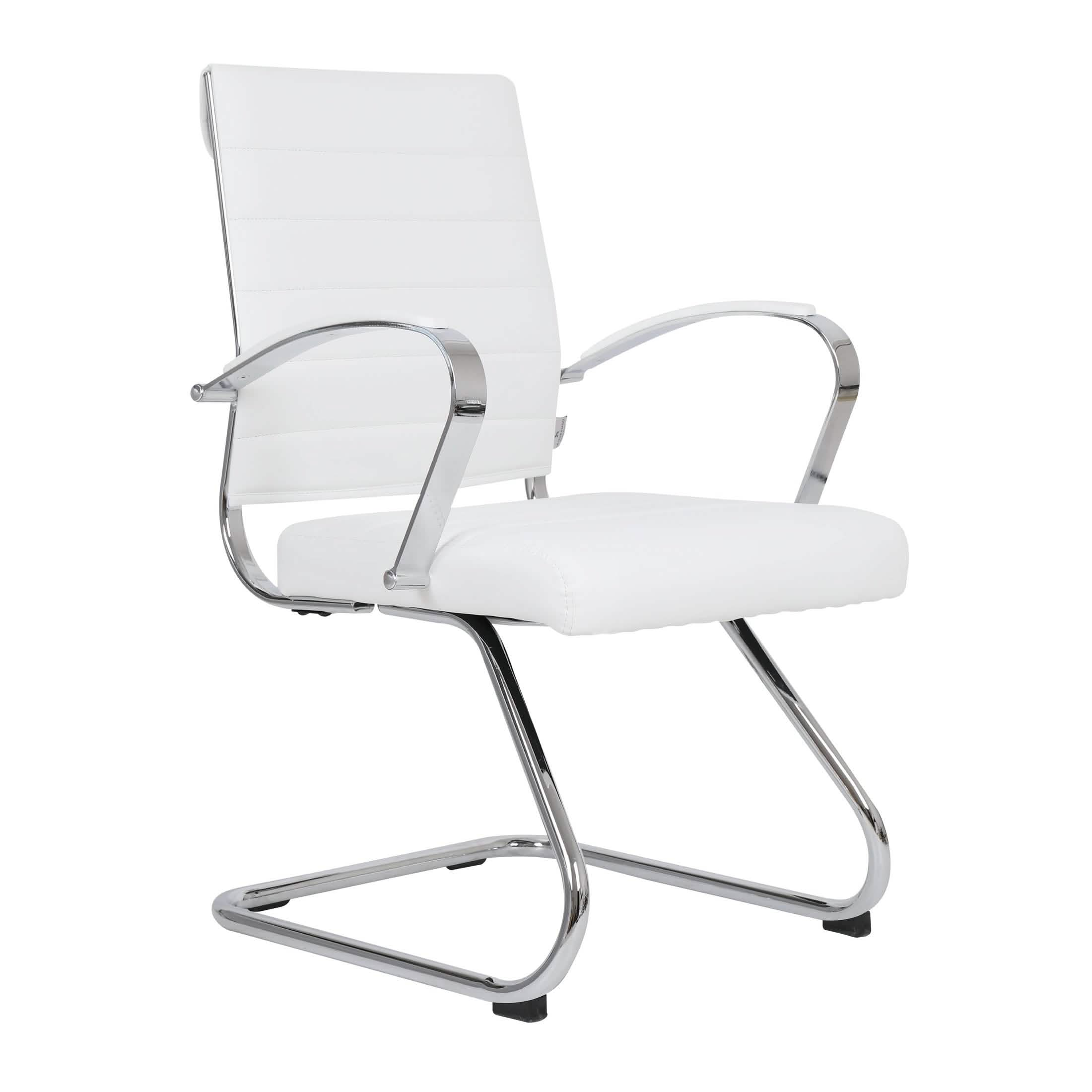
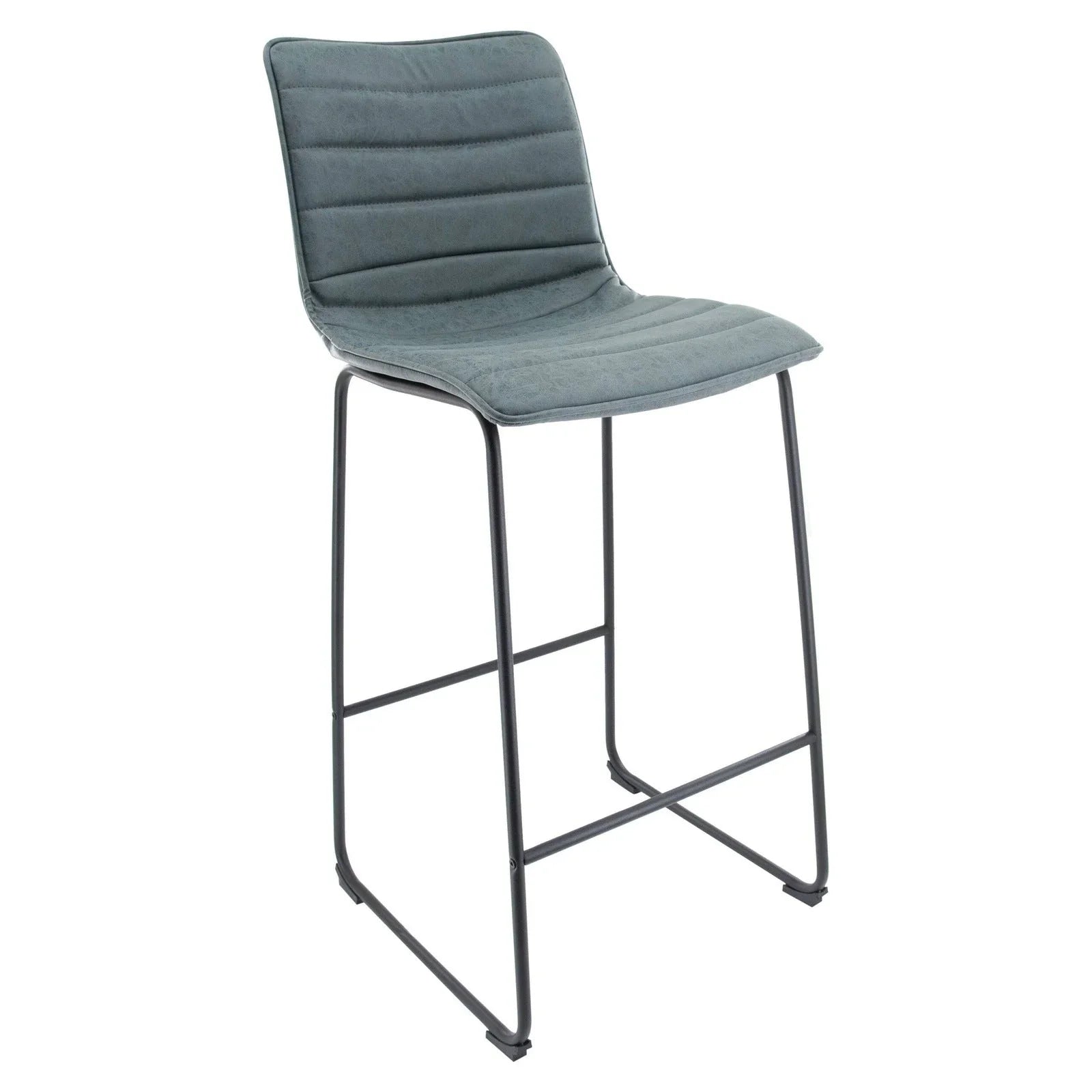
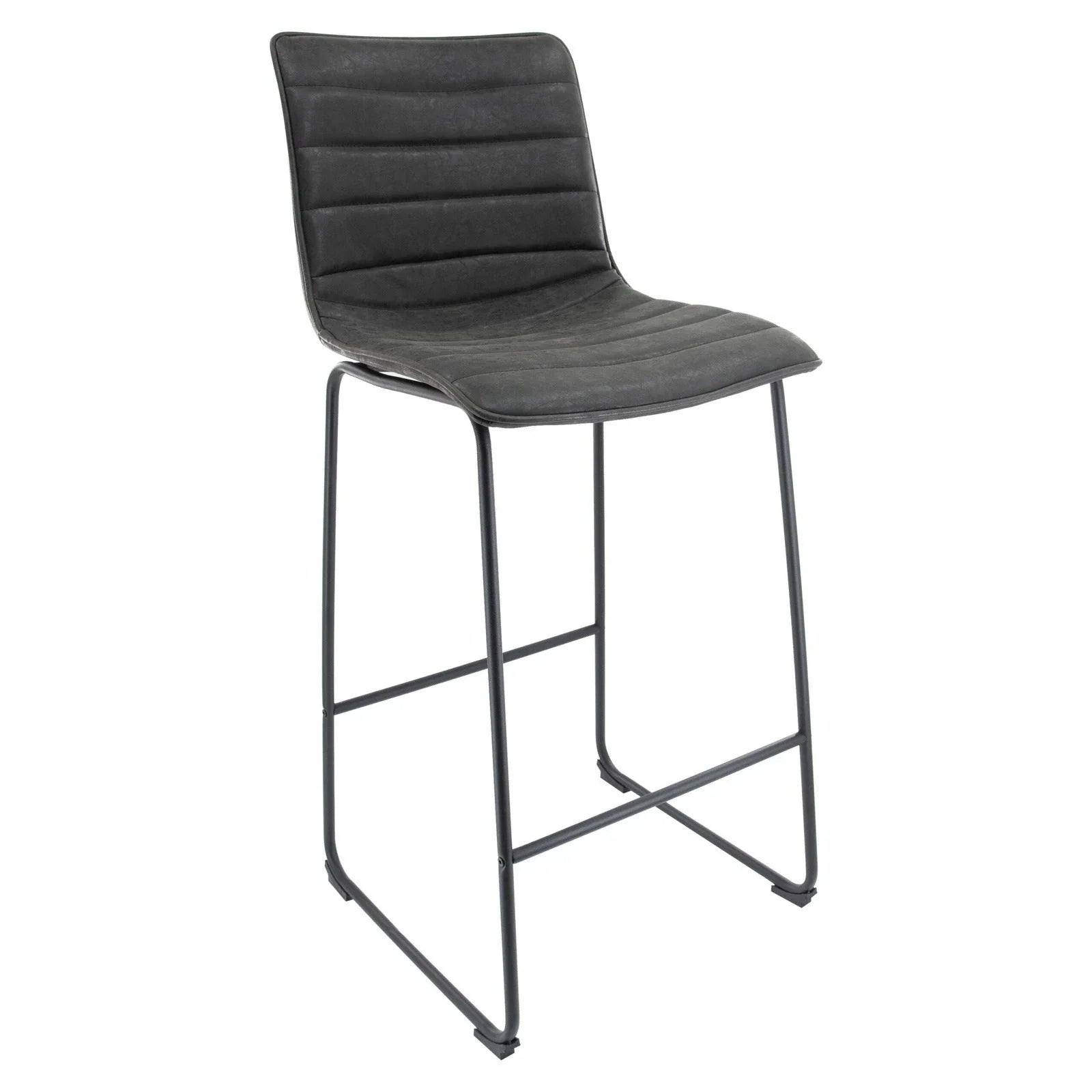
Daily: Wipe down busy booth seats, lobby chairs, and barstools with a damp microfiber cloth at closing.
-
Weekly: Complete the full mild-soap wipe, plain-water rinse, and towel-dry routine.
-
Monthly: Inspect armrests and seat edges for early signs of wear so facilities teams can rotate or replace units before guests notice.
Next Steps for Caring for or Sourcing Faux Leather Sofas
Gentle dish soap, minimal water, immediate towel drying, and avoiding harsh solvents will keep a faux leather sofa looking fresh for years. Founded in 2015 in Rahway, New Jersey, Elax Furniture manufactures and supplies wholesale residential and commercial furniture nationwide with no minimum order quantity, shipping from both East and West Coast warehouses. Sourcing seating for a retail store, design client, or hospitality space?
Frequently Asked Questions
Can I use vinegar on a faux leather sofa?
A heavily diluted white vinegar and water mix is sometimes used, but always test a hidden spot first, wipe with plain water afterward, and dry immediately. Mild dish soap and water is usually the safer first choice.
Can I use baby wipes or disinfecting wipes on faux leather?
Alcohol-free, fragrance-free baby wipes are safe for quick spill cleanups. Standard household disinfecting wipes often contain alcohol or harsh solvents that can dry out or dull the synthetic finish, so avoid them unless permitted by the manufacturer.
Why is my faux leather couch sticky?
Stickiness is usually caused by accumulated body oils or leftover soap residue that was not rinsed off. Wash with mild soapy water, rinse twice with a plain damp cloth, and towel dry. If tackiness quickly returns, heat or age may be breaking down the polyurethane coating.
Does faux leather need leather conditioner?
No. Because faux leather has a plastic coating, it does not absorb oils or conditioners the way genuine hide does. Applying real-leather conditioner will simply sit on top as a greasy film. If desired, use a light protectant formulated specifically for vinyl or synthetic leather.
How do I get jean dye off a faux leather sofa?
Act immediately using the warm mild dish soap and plain-water rinse routine before the dye bonds with the topcoat. If blue dye has already set in, spot-test a specialized cleaner made specifically for vinyl and synthetic leather.
