








Basement bedrooms are no longer the dark, forgotten storage zones of the home. Modern interior design has shifted heavily toward maximizing underutilized square footage, transforming subterranean levels into high-end guest suites, wellness sanctuaries, and multi-functional retreats.
Designing a basement bedroom comes with unique architectural quirks: lower ceilings, limited natural light, and cooler ambient temperatures. However, with strategic layout planning, smart lighting, and high-quality, free-standing furniture, you can turn these challenges into design assets.
In this comprehensive guide, our design experts at Elax Furniture share actionable basement bedroom ideas, layout strategies, and styling tips to help you curate a space that feels intentional, cozy, and thoroughly upscale.
1. Embrace the Power of Layered, Ambient Lighting
The number one obstacle in any basement renovation is the lack of natural light. Relying solely on harsh overhead recessed lights can make a lower-level bedroom feel clinical or cave-like. The secret to a high-end, inviting atmosphere is layered illumination.
The Three Layers of Light
-
Ambient Light: Use dimmable, flush-mount LED ceiling lights that mimic natural daylight color temperatures (3000K to 4000K).
-
Task Light: Place elegant desk lamps on work surfaces or sleek reading lights next to the bed.
-
Accent Light: Incorporate low-glare LED strip lighting behind headboards, beneath floating shelves, or inside closets to create depth.
By scattering light sources at different heights, you draw the eye around the room, effectively tricking the brain into perceiving a larger, taller space.
2. Anchor the Room with Statement, Free-Standing Furniture
Built-in wardrobes and fixed cabinetry used to dominate basement layouts, but contemporary design trends lean heavily toward free-standing furniture. Independent pieces bring architectural interest, texture, and character to plain drywall basements.
A brilliant way to elevate the space is by intentionally mixing furniture styles to create a curated, lived-in aesthetic. Pairing a sleek, modern platform bed with a richly textured wood sideboard or a vintage-inspired chest of drawers makes the basement feel like a custom-designed suite rather than an afterthought.
Choosing the Right Pieces
-
Low-Profile Bed Frames: If your basement ceilings are on the lower side, opt for a low-profile platform bed. This maximizes the vertical clearance between the mattress and the ceiling, making the room feel significantly airier.
-
Symmetrical Placement: Frame your bed with matching nightstands and twin lamps. Symmetry establishes immediate visual balance, evoking a sophisticated boutique-hotel energy.
-
Multifunctional Accent Storage: Instead of traditional built-in closets, use elegant, free-standing armoires or a premium credenza to house linens and clothing, which keeps the room layout flexible.
3. Master Subtle Zoning for Multi-Functional Layouts
Basement bedrooms often double as secondary living spaces, home offices, or wellness corners. To keep the room from feeling chaotic, you must establish clear, functional zones without compromising the primary purpose of the space: rest.
Smart Spatial Division
-
The Sleep Zone: Keep this area minimal and hyper-focused on comfort. Soft, neutral bedding layered with performance fabrics acts as the anchor.
-
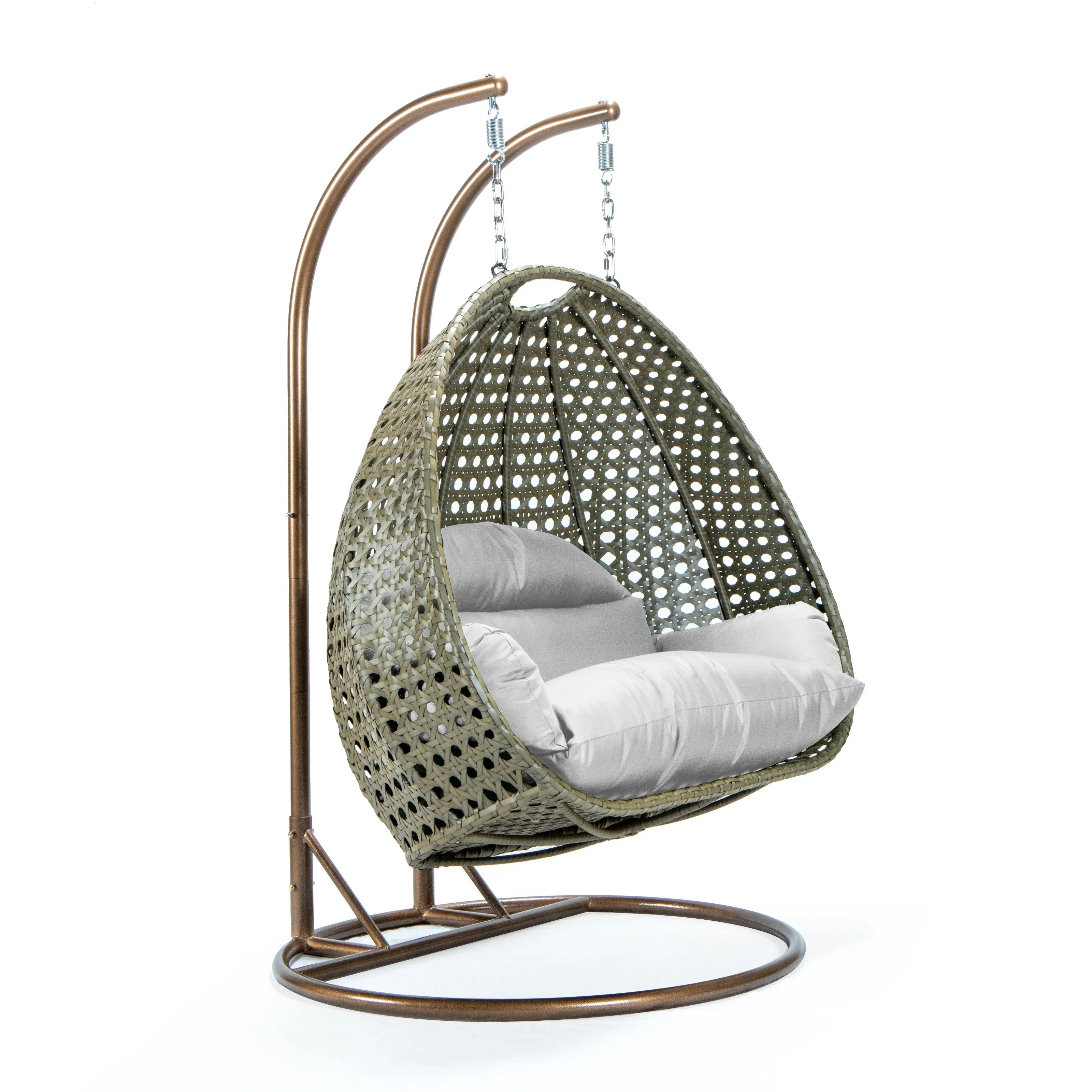
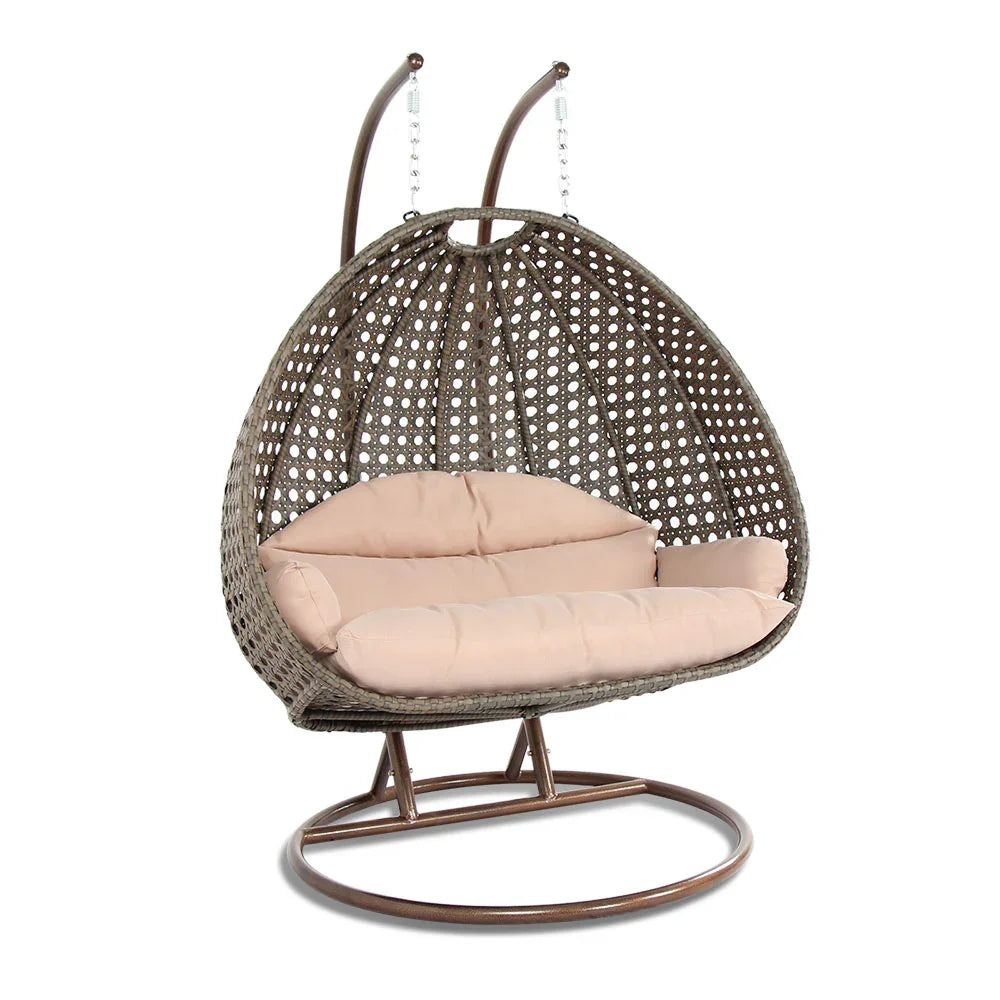
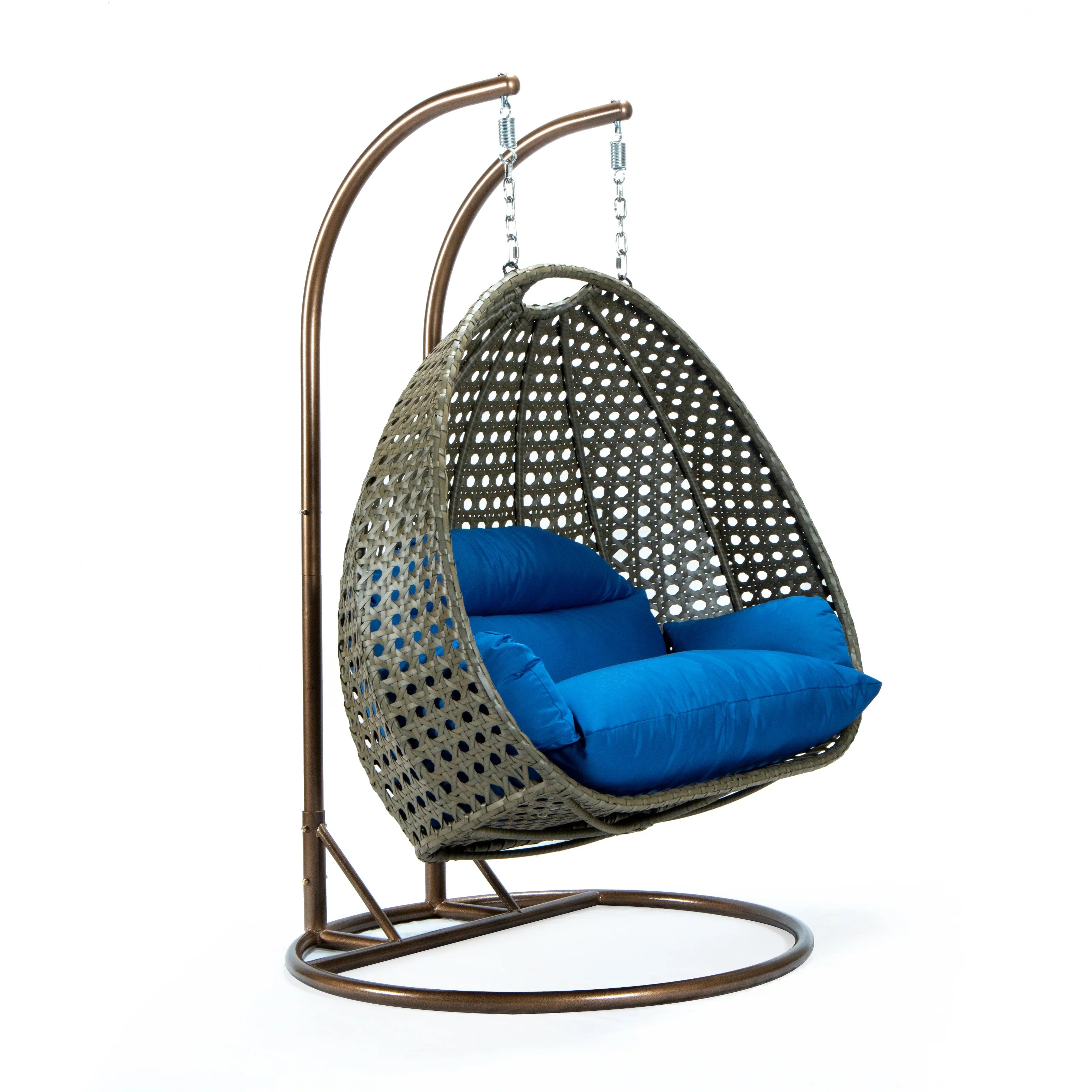
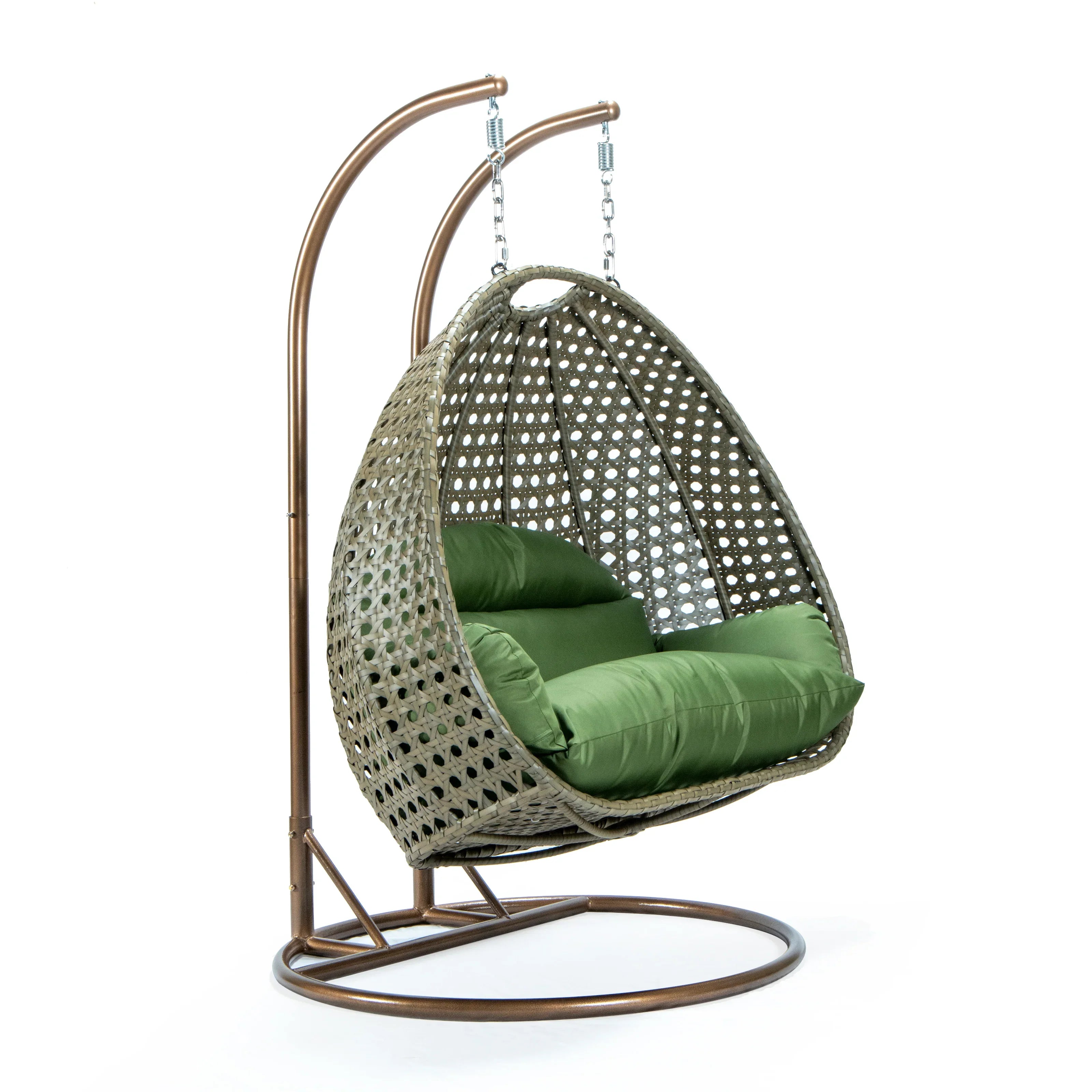
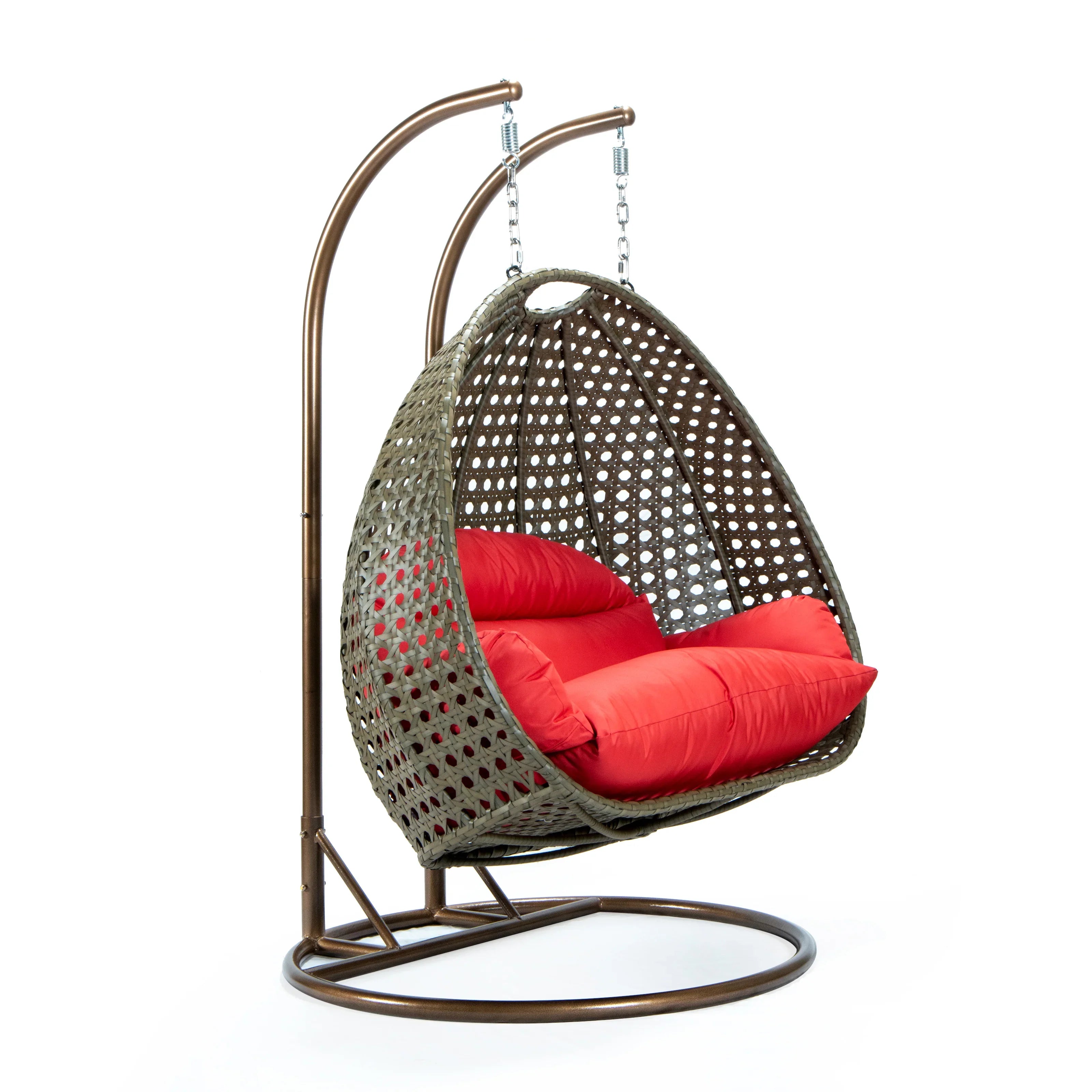
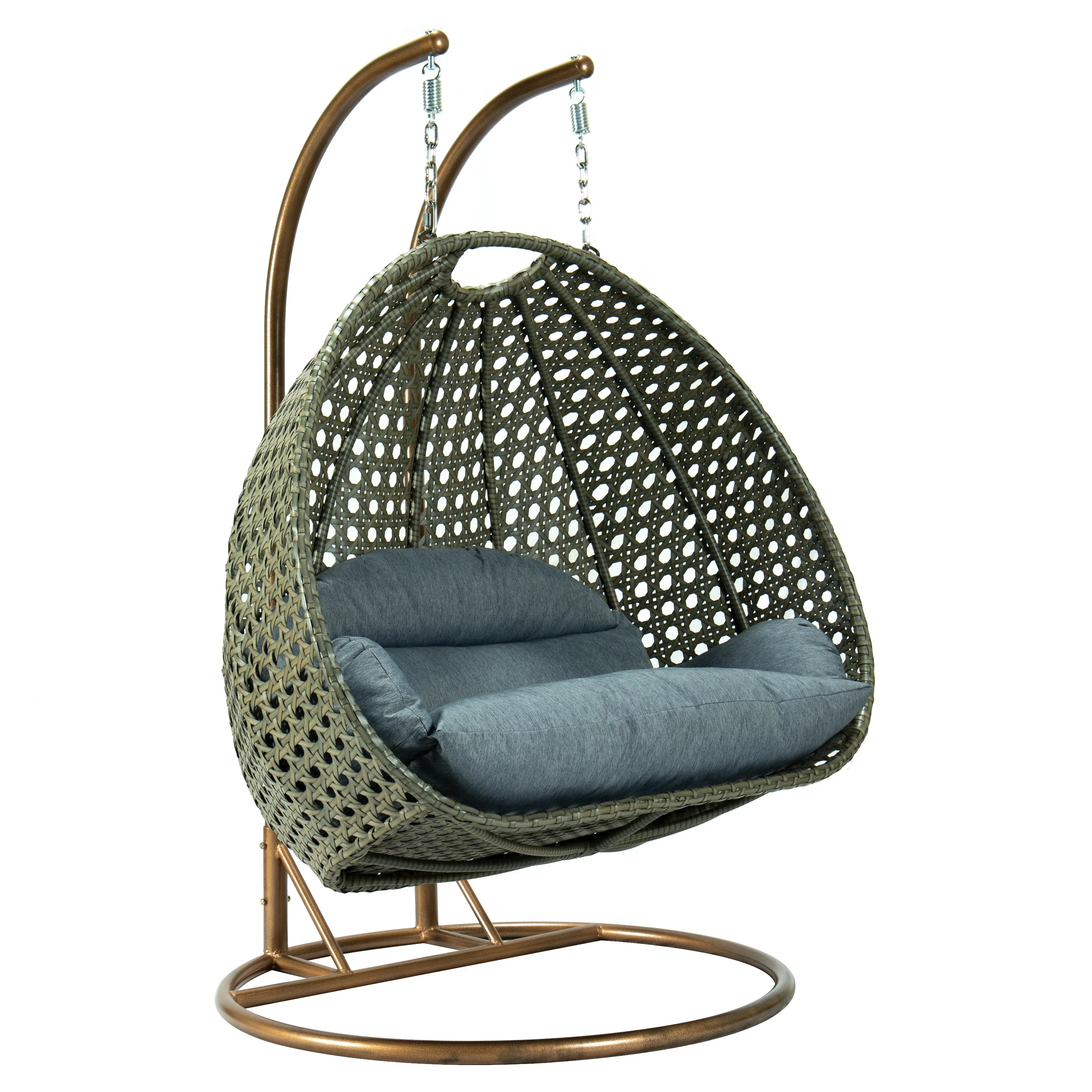
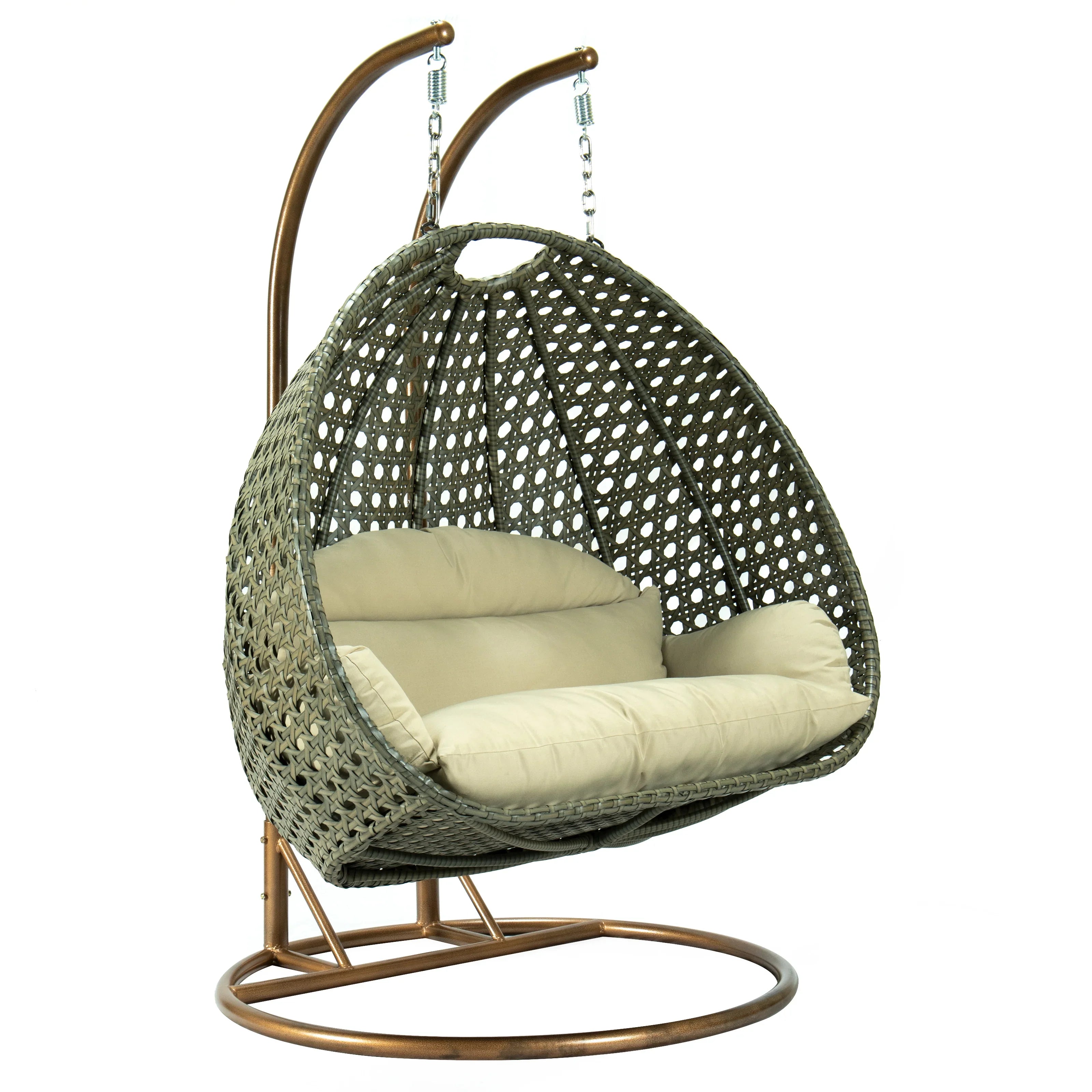
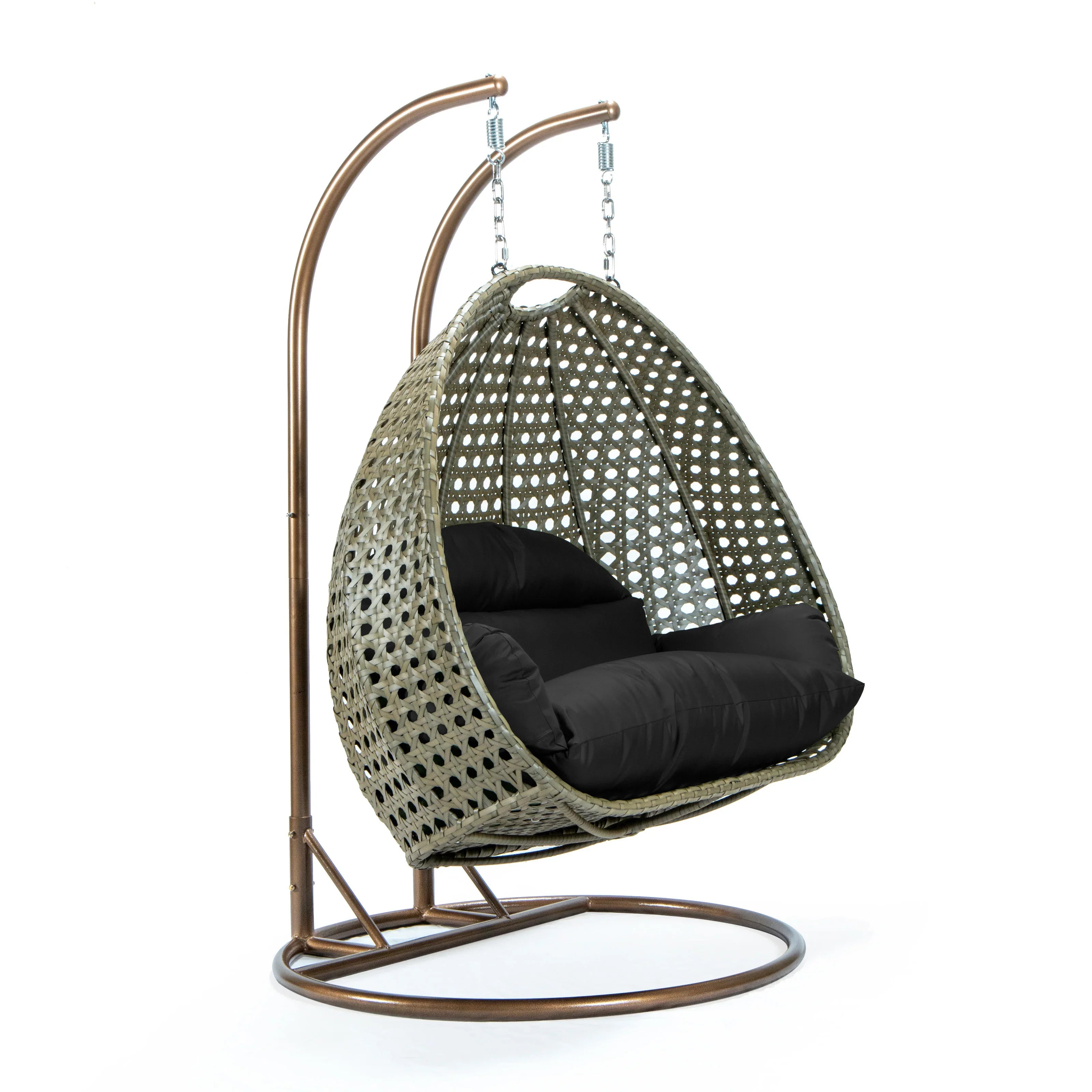
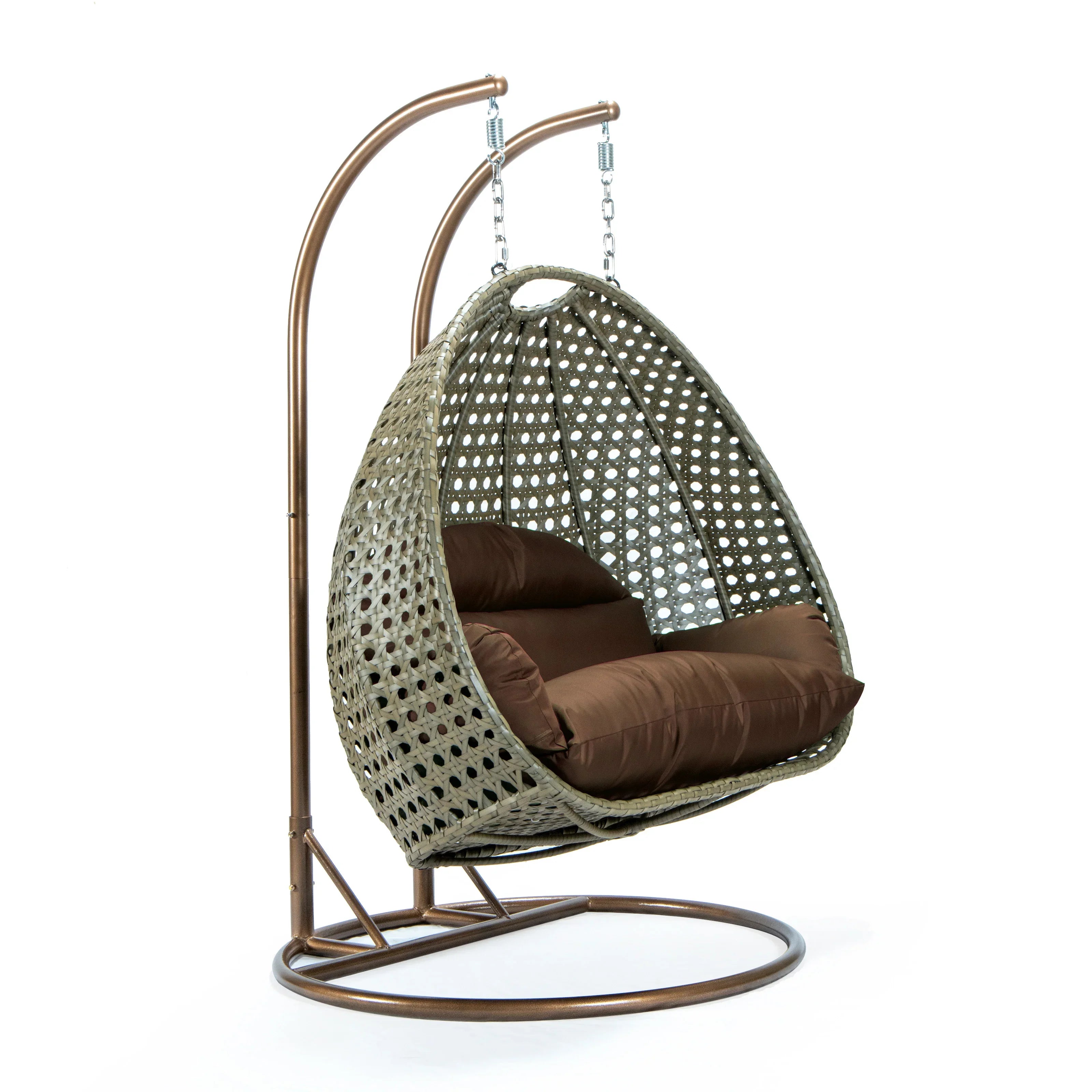
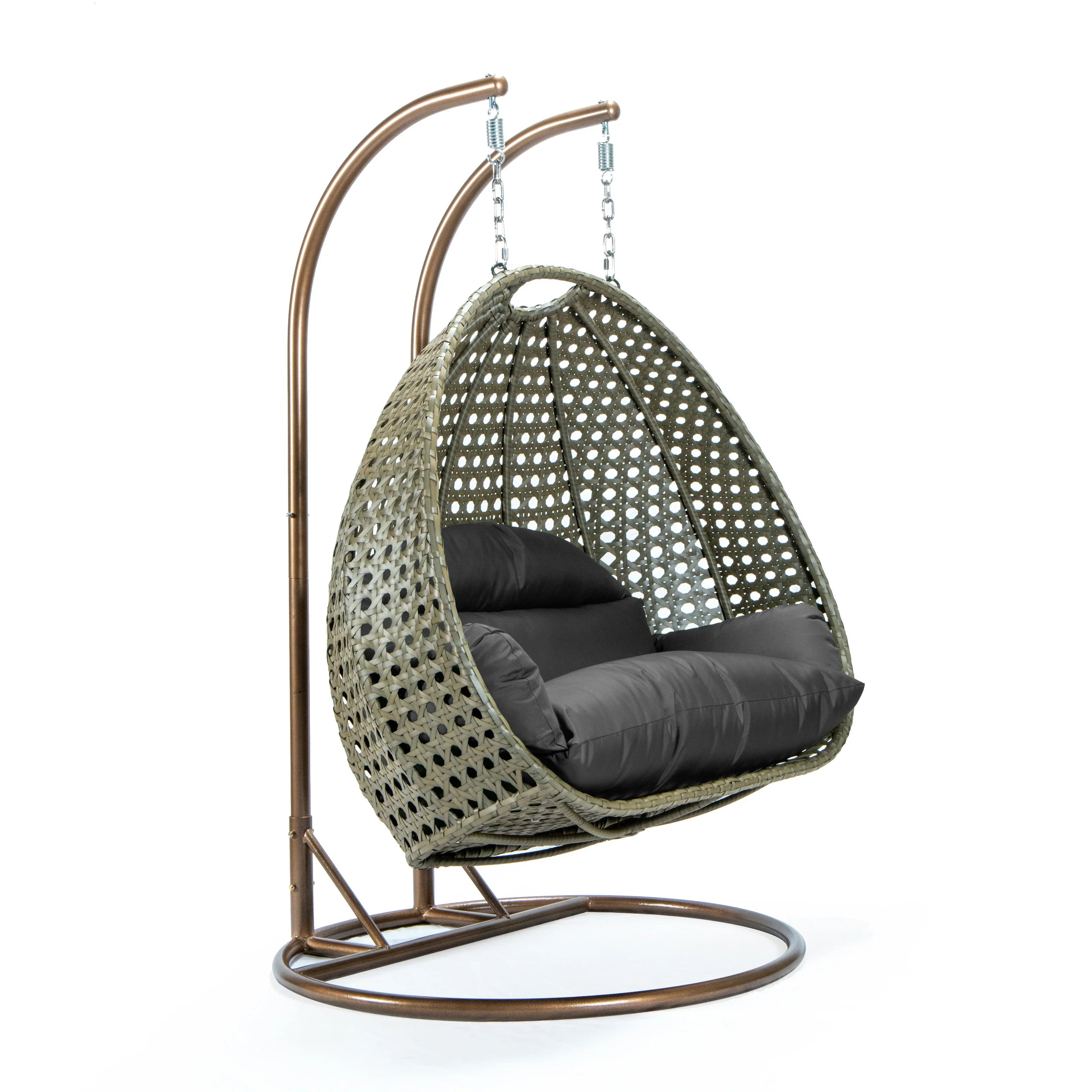
The Seating or Reading Nook: Introduce a voluptuous, low-slung accent chair or a compact loveseat from the Elax Living Room Collection. Placing a rounded, cushioned chair breaks up the harsh, straight lines common in basement foundations.
-
The Study Nook: If you require a remote workspace, position a compact desk away from the direct sightline of the bed, or utilize a sliding architectural panel to visually shut off work items at night.
4. Elevate the Flooring with Textiles and Texture
Basement floors are notoriously cold due to the underlying concrete slab. Selecting the right foundational surfaces and layering them properly is crucial for thermal comfort and acoustic insulation.
Flooring Solutions Table
| Flooring Base | Pros | Cons | Styling Best Practice |
| Engineered Luxury Vinyl Plank (LVP) | Waterproof, durable, mimics real wood | Cold to the touch without radiant heat | Overlay with oversized rugs to soften the look. |
| Wall-to-Wall Carpeting | Inherently insulating, warm, dampens sound | Susceptible to moisture issues if not sealed | Opt for a low-pile, high-density weave in soft grays or taupes. |
| Polished Concrete | Ultra-modern, sleek, industrial edge | Hard and cold underfoot | Pair with heavy textiles and structural wood furniture to balance the edge. |
Regardless of your base flooring, an illustrated statement rug is a must-have element. An abstract, line-drawn, or brush-stroke patterned rug placed partially under the bed frame adds an instant designer touch, anchors the furniture, and provides a plush surface for your feet.
5. Play with Color and Texture to Cheat the Eyes
When it comes to paint selection for a subterranean bedroom, you have two highly effective design paths: Bright & Airy or Moody & Organic.
Option A: The Crisp, Reflective Retreat
If you prefer a bright, open feel, coat the walls in soft neutrals—think warm cream, alabaster, or pale greige. Avoid pure, stark whites, which can look flat and gloomy under low-light conditions. Pair these soft walls with light wood accents and metallic lighting fixtures to bounce light across the room.
Option B: The Moody, Boutique Hotel Vibe
Instead of fighting the darkness, lean into it. Wrap the room in deep, earthy tones like forest green, rich terracotta, or charcoal gray. Introducing wood paneling or textured wallpaper to an accent wall creates an intimate, ultra-cozy sanctuary that feels incredibly luxurious.
6. Combat Subterranean Elements: Air and Moisture
An elegant design means nothing if the space doesn't feel comfortable to breathe and sleep in. Basements naturally capture moisture and lack consistent airflow, making climate management a vital component of your design scheme.
-
Install a Dedicated Dehumidifier: Keep humidity levels below 50% to prevent musty odors and protect your wood furniture investments.
-
Incorporate Smart Air Purifiers: High-quality air purifiers with true HEPA filters continuously cycle the air, eliminating stagnant odors and allergens.
-
Prioritize Performance Linens: Use breathable, moisture-wicking natural sheets (like linen or organic bamboo) to regulate body temperature in the naturally cooler lower level.
Pro Styling Tips from Elax Furniture
-
Hang Mirrors Strategically: Place a large, full-length mirror or a graphic accent mirror directly opposite your primary light source or window well. This creates a visual illusion of a window and double-reflects light across the room.
-
Add Touches of Greenery: Bring the outdoors inside with low-light indoor plants like Snake Plants, Pothos, or high-quality faux botanicals. Greenery breaks up the subterranean feel and injects organic life into the space.
-
Upgrade the Hardware: Small details yield massive returns. Swap out basic builder-grade door handles and drawer pulls for antique brass, matte black, or brushed steel elements to give standard pieces a premium feel.
Frequently Asked Questions (FAQs)
How can I make a basement bedroom feel less like a basement?
The fastest way to eliminate the "basement feel" is to invest heavily in a layered lighting scheme, avoid harsh overhead white lights, and keep furniture slightly away from the walls. Using vertical lines, such as floor-to-ceiling drapery over window wells or vertical wall paneling, also helps draw the eye upward, mimicking the proportions of an upper-level room.
What type of furniture is best for small basement bedrooms?
Free-standing, multi-functional furniture with low profiles works best. Look for beds with integrated storage drawers, modular armoires, or compact accent tables that offer storage without eating up floor space. Elax Furniture specializes in direct-to-consumer, premium-built accent chairs, tables, and sofas designed to maximize comfort in everyday urban spaces.
How do I stop a basement bedroom from feeling cold?
Start from the ground up by placing a thick, high-quality rug pad beneath an oversized woven area rug. Ensure your heating, ventilation, and air conditioning (HVAC) system features active return vents in the basement, and introduce heavy textiles—like velvet drapery, quilted throw blankets, and upholstered headboards—to absorb and trap warmth.
Are wardrobes better than built-ins for a basement?
Yes, modern trends heavily favor free-standing wardrobes and armoires over built-ins. Free-standing pieces allow you the flexibility to rearrange your layout over time, create a more customized, high-end look, and prevent moisture from getting trapped permanently behind fixed drywall partitions.

